Justice Department Appeals Ruling Blocking Trump White House Ballroom Project as Legal Battle Escalates
The legal fight over President Donald Trump’s proposed White House ballroom project is intensifying after the Justice Department moved to appeal a federal court ruling that blocked the administration’s plans.
The appeal came just hours after the U.S. Court of Appeals for the D.C. Circuit ruled against the administration, finding that Congress has “plenary control” over the White House and surrounding federal property. The court’s decision focused on the administration’s demolition of the White House East Wing without congressional approval.
The ruling is temporarily paused for 14 days, allowing the administration time to pursue further legal action. The Justice Department’s appeal means the dispute is now headed toward another stage in the courts as both sides fight over presidential authority, federal property control, and the future of the proposed ballroom.
Trump has strongly criticized the ruling, calling it “horrendous, politically motivated, and unlawful.” He argued that the project is not only about expanding White House facilities but also serves broader government needs.
Court Challenges Trump Administration’s Authority Over White House Property

The central issue in the case is whether the president has the authority to make major changes to White House grounds without approval from Congress.
The D.C. Circuit Court ruled that Congress maintains significant authority over the White House complex and surrounding federal land. The judges pointed specifically to the removal of the East Wing as a key part of the dispute.
The administration’s opponents argued that such a major structural change required congressional authorization. The court’s decision supported that argument, creating a direct challenge to the White House’s position that the project could move forward under executive authority.
The ruling does not immediately stop the project because of the temporary 14-day hold. That pause gives the Justice Department time to seek additional review and potentially ask higher courts to intervene.
The administration’s appeal signals that the White House is prepared to continue fighting rather than abandon the project.
Trump Defends Ballroom Project as Important for Government Operations
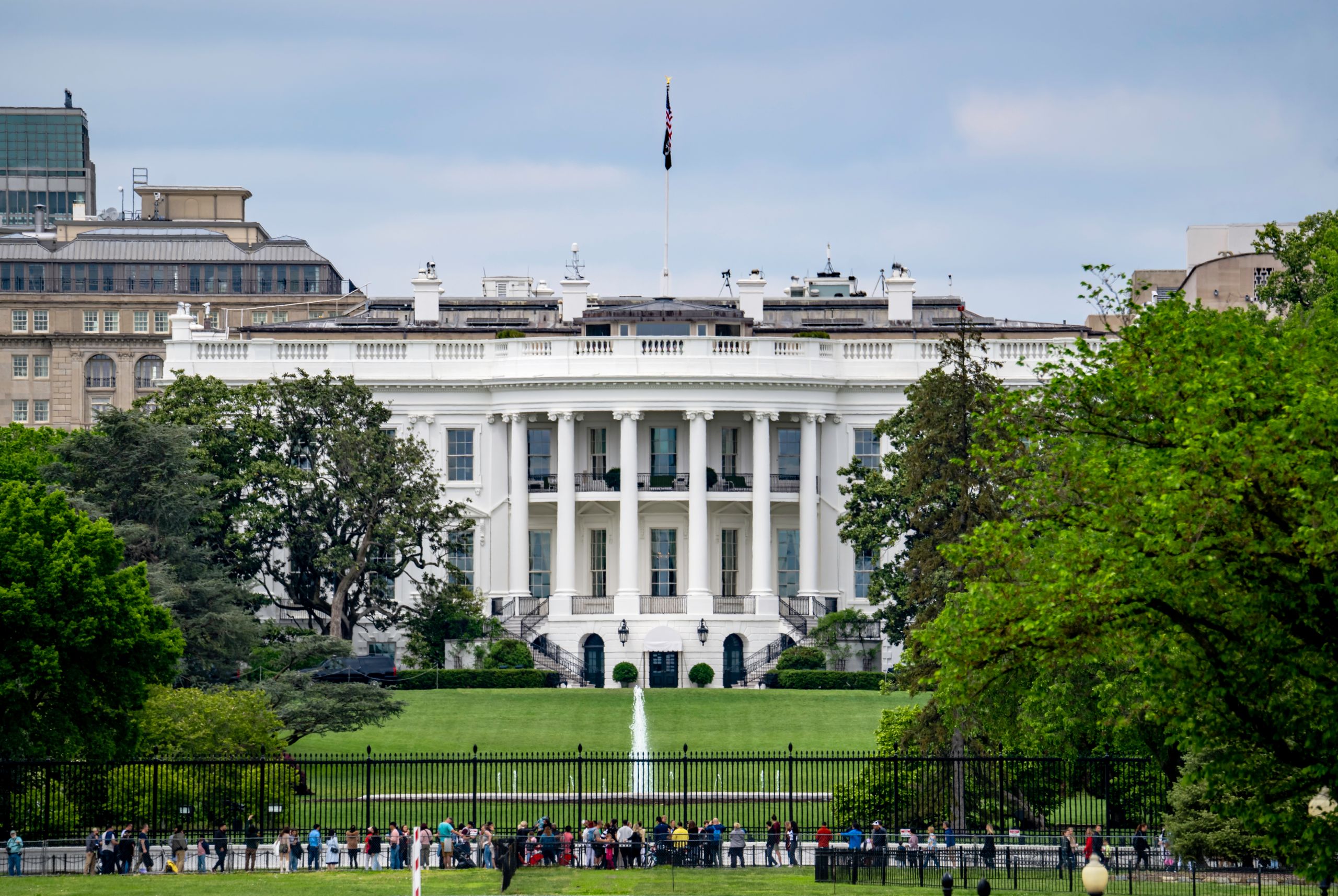
Trump has argued that the proposed White House ballroom is necessary for the functioning of the presidency and national security operations.
In criticizing the court’s decision, Trump said the project is “vital for National Security and Military Operations of the United States of America.”
The president has framed the ballroom as an improvement to the White House’s ability to host major events involving government officials, foreign leaders, and military representatives.
Supporters of the project argue that additional space would allow the administration to manage large gatherings and official functions better. They have also criticized legal challenges against the project as politically motivated attempts to interfere with presidential priorities.
Opponents, however, argue that even major presidential projects must follow established legal procedures and that executive power has limits when federal property is involved.
Legal Battle Could Become Test of Presidential Power
The dispute over the ballroom project represents another confrontation between the Trump administration and legal institutions over the limits of presidential authority.
The case raises broader questions about how much control a president has over federal buildings and whether certain decisions require congressional involvement.
The D.C. Circuit’s ruling emphasized Congress’ role in overseeing the White House complex, while the administration’s appeal argues that the president has greater authority to manage executive operations.
The outcome could have implications beyond the ballroom project by influencing future disputes over presidential control of government property.
For now, the project remains caught in the middle of a legal battle that shows no sign of ending soon. The 14-day pause gives both sides time to prepare their next moves, but the larger fight over presidential power and congressional authority is likely to continue.