Puerto Rico’s Water Crisis Deepens as Severe Drought Leaves Residents Without Reliable Supply
A worsening drought in Puerto Rico has pushed communities into a growing water crisis, leaving residents struggling with shortages, disrupted routines, and rising concerns about how long the island’s limited water resources can withstand extreme conditions.
Across Puerto Rico, families have faced periods without reliable access to running water as reservoirs decline and rainfall remains below normal levels. For many residents, the crisis has transformed a basic daily necessity into an uncertain resource that must be carefully managed.
The drought has placed renewed attention on Puerto Rico’s aging water infrastructure, climate challenges, and the vulnerability of communities that depend on already strained systems.
A Drought Crisis Hits Homes Across Puerto Rico
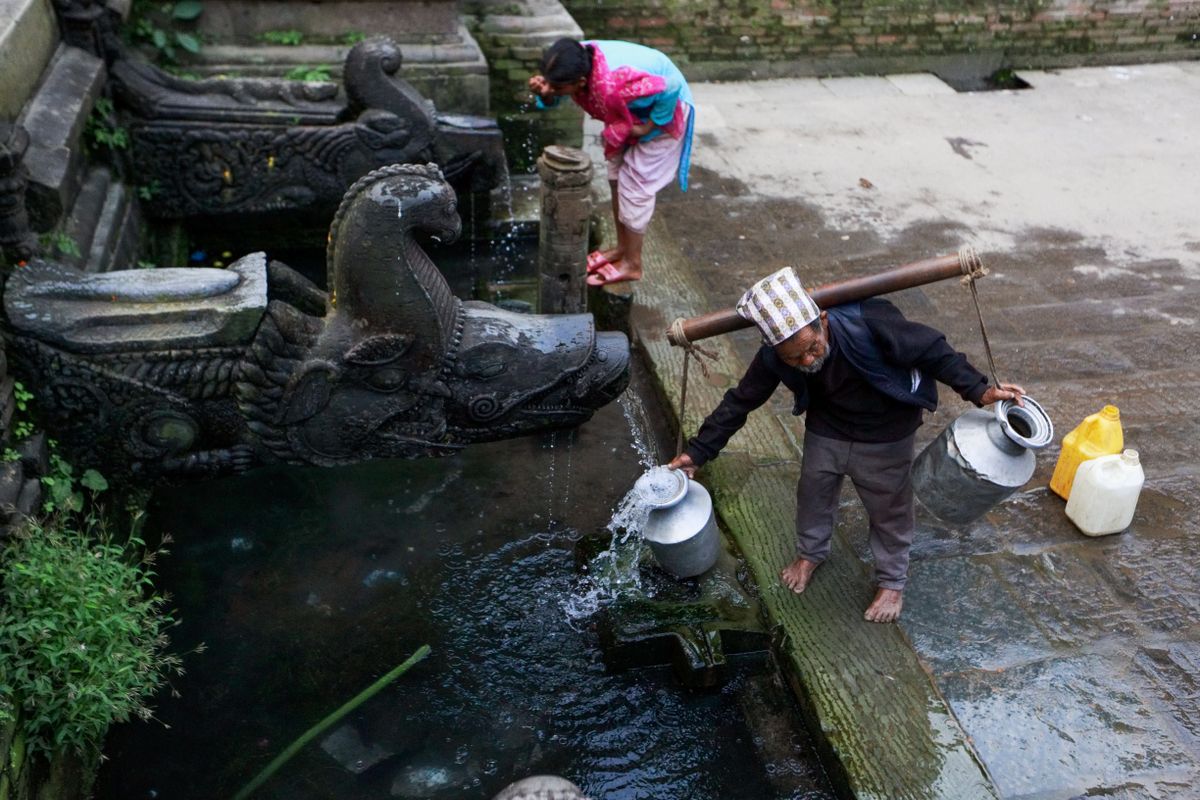
For many Puerto Rican residents, the drought is not just an environmental issue. It has become a daily struggle affecting cooking, cleaning, bathing, and other basic activities.
Some households have experienced interruptions lasting hours or even days, forcing residents to store water whenever supplies return. Others have relied on bottled water or alternative sources to meet everyday needs.
The shortages have been especially difficult for elderly residents, families with children, and people with medical needs who depend on consistent access to clean water.
Local officials have warned that the situation could continue if rainfall does not improve and water levels in key reservoirs remain dangerously low.
Declining Reservoirs Create Growing Pressure
Puerto Rico depends heavily on reservoirs to supply drinking water to communities across the island. During periods of extended drought, those reservoirs can fall to critical levels, making it harder for water authorities to maintain normal service.
The island’s water system has faced challenges for years, including aging infrastructure, leaks, and the effects of previous storms that damaged parts of the network.
The current drought has exposed those weaknesses again. When water levels drop, officials may need to implement conservation measures, rotate service schedules, or temporarily reduce supply in certain areas to preserve resources.
Residents say these interruptions can create uncertainty because they often do not know when their water service will return.
Climate Conditions Add to Long-Term Concerns
Experts have warned that changing climate patterns could make extreme weather events, including droughts, more frequent and severe.
The island’s geography also makes water management challenging. Some communities are more vulnerable because they rely on specific reservoirs or systems that have limited capacity.
Puerto Rico has experienced a combination of intense storms and prolonged dry periods in recent years. While hurricanes can bring massive rainfall, they can also damage water infrastructure and create long recovery periods.
Environmental experts say improving water infrastructure will be essential to preparing for future droughts. That includes repairing aging pipelines, improving storage capacity, reducing water loss, and developing more resilient systems.
Residents Adapt as Officials Search for Solutions
As the drought continues, residents have been forced to adjust their daily lives. Some families have changed their routines by collecting water when available, limiting usage, and finding ways to conserve supplies.
Businesses have also faced challenges. Restaurants, hotels, and other operations that depend heavily on water have had to adapt to interruptions that affect normal activities. For communities already dealing with economic challenges, water shortages create another layer of pressure.
Officials have urged residents to conserve water while government agencies work on emergency responses and longer-term improvements.
However, many residents say they want more than temporary solutions. They are calling for investments that prevent future crises rather than responding only after shortages occur.
Puerto Rico’s Infrastructure Challenges Remain a Major Issue
The drought has renewed debate over Puerto Rico’s broader infrastructure problems. The island’s power grid has received significant attention in recent years because of repeated outages, but water systems have also faced long-standing challenges.
Natural disasters, including Hurricane Maria in 2017, caused widespread damage to critical infrastructure and highlighted vulnerabilities across the island.
Although rebuilding efforts have continued, many residents argue that progress has been too slow. The latest drought has reinforced concerns that Puerto Rico needs stronger infrastructure capable of handling both extreme rainfall and extended dry periods.
A Warning Sign for the Future
Puerto Rico’s water shortage is more than a temporary weather event. It represents a larger challenge facing communities around the world as climate conditions become increasingly unpredictable.
For residents experiencing empty faucets and uncertain water schedules, the issue is immediate and personal. The crisis has shown how quickly access to a basic resource can become uncertain when environmental conditions, infrastructure limitations, and population needs collide.
As Puerto Rico waits for rainfall and works to strengthen its water systems, the drought serves as a reminder that reliable water access depends not only on nature but also on long-term planning and investment.
For thousands of residents, the hope is that the current crisis will lead to lasting improvements rather than another temporary response.