Trump Repeats “It Always Works Out” as Iran War and Strait of Hormuz Standoff Test His Strategy
President Donald Trump’s latest description of the Iran conflict sounded almost casual: “It will work out. It always works out. It’s like a chess game.”
But five months into a war that has shaken energy markets, strained U.S. weapons inventories and turned the Strait of Hormuz into a bargaining chip, those words now carry more weight than a familiar Trump expression.
The most revealing part may be the chess metaphor. Washington and Tehran increasingly appear to be fighting less for a sweeping military victory than for leverage over the next move, with the narrow waterway connecting the Persian Gulf to global markets becoming the board.
Trump Is Turning From Firepower to Patience
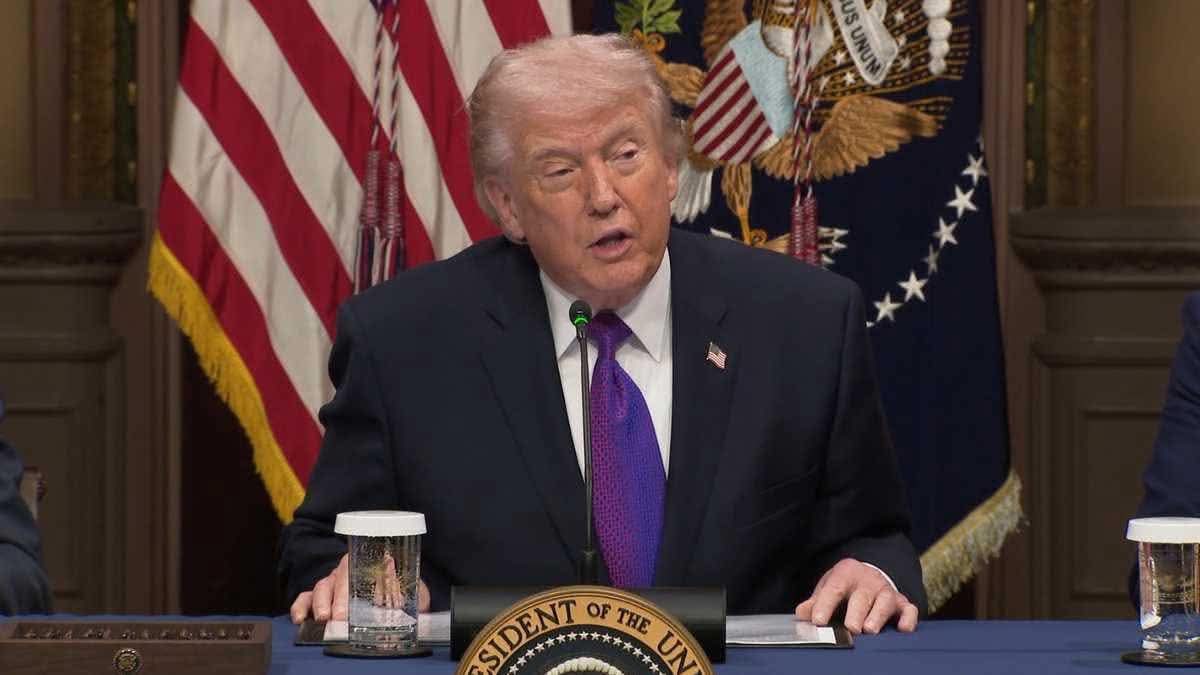
Only a week ago, Trump was close to ordering a return to major combat operations against Iran. On Sunday, however, he struck a noticeably different tone.
“We are low-keying it,” Trump told Axios. “We are only semi-negotiating with them. We are just watching Iran with its huge inflation and the fact they have no money.” He added: “It will work out. It always works out. It’s like a chess game.”
That language suggests a shift in tactics, not an end to the confrontation. The administration appears willing, at least for now, to let sanctions, a naval blockade and Iran’s economic troubles do work that missiles were doing earlier.
Iran, however, is not simply waiting to surrender.
Tehran says reopening the Strait of Hormuz depends on U.S. concessions including sanctions relief, compensation for damage caused by U.S. and Israeli attacks, release of frozen Iranian assets and an end to military threats and the American blockade. Iran and the United States are not holding direct talks, with messages instead moving through intermediaries.
The standoff is simple to describe but difficult to solve: Trump is betting Iran’s economy will weaken faster than America’s political patience. Iran is betting Washington will eventually decide that reopening Hormuz is worth concessions it previously resisted.
Hormuz Has Become Iran’s Most Powerful Bargaining Chip

The war may be fought with bombers, missiles and drones, but its most politically sensitive front is measured in tankers and gasoline prices.
The Strait of Hormuz is one of the world’s most important energy chokepoints. U.S. Energy Information Administration data show that about 20 million barrels of oil per day moved through the strait in 2024, equivalent to roughly 20% of global petroleum liquids consumption.
That is why control of the waterway matters far beyond the Middle East.
Iran’s disruption of commercial traffic has given Tehran something battlefield losses alone could not erase: leverage over the global economy. Disrupted tanker traffic can ripple through shipping costs, insurance rates, crude prices and eventually the amount Americans see at gas stations.
For Trump, that makes the conflict a domestic political problem as much as a military one.
A Reuters/Ipsos poll completed in early August found just 35% of Americans approved of the Iran war. Fifty percent believed U.S. military action would make the Middle East less stable over the next year, compared with 17% who expected greater stability. Another 58% expected gasoline prices to worsen.
Those numbers help explain why “low-keying it” may be more than a change in tone. With November’s midterm elections approaching, a deal restoring predictable shipping could be politically valuable even if it falls short of Washington’s original ambitions.
“It Always Works Out” Now Faces a Harder Test

Gage Skidmore from Peoria, AZ, United States of America, CC BY-SA 2.0, via Wikimedia Commons
Trump’s phrase is especially striking because Tucker Carlson says he heard nearly the same reassurance before the war began.
Carlson recalled warning Trump against attacking Iran and later said the president responded that everything would be fine because “it always is.” Carlson interpreted the exchange as evidence that Trump felt boxed into a decision he did not necessarily want.
That remains Carlson’s interpretation, not proof of Trump’s private motivation. Still, the repetition gives Sunday’s comment a different resonance because Trump is now speaking after months of fighting, not before it.
The Pentagon is also facing questions about ammunition stocks. Defense officials have pushed manufacturers to accelerate production after extensive use of high-end munitions, while reporting has highlighted serious pressure on Patriot and THAAD interceptor inventories.
Separate reporting has raised similar concerns about long-range precision missiles used during the Iran campaign.
That does not mean the United States cannot strike Iran again. It means another major round carries costs beyond the battlefield.
And that may be the real significance of Trump’s “chess game.”
Washington believes Iran’s battered economy may eventually force concessions. Tehran believes Hormuz gives it enough leverage to demand a price for reopening the route. Neither side has yet shown it can make the other accept its terms.
If Hormuz reopens and the conflict winds down on terms Washington can sell as a victory, “it always works out” may look prophetic to Trump’s supporters.
If the United States accepts a narrower deal after months of costly warfare, the same phrase could take on a very different meaning.
For now, the missiles may be quieter, but the game is nowhere near over.