7 Everyday Foods That Have Quietly Changed the Way Americans Shop, Cook, and Eat at Home
The way Americans fill their grocery carts has changed, and some of the biggest shifts are happening through everyday foods that have slowly become kitchen staples.
From faster meal solutions to new ingredient choices, familiar foods are shaping how people plan meals, shop for groceries, and cook at home. Many of these changes are not tied to one big moment. Instead, they happened gradually as shoppers looked for more convenience, variety, and flexibility in their daily routines.
Rising grocery costs have also influenced how many households think about food spending and meal preparation. Recent surveys and industry research show that more Americans are paying closer attention to what they buy, how often they cook, and which foods help them create more meals at home.
Chicken became the everyday meal solution.
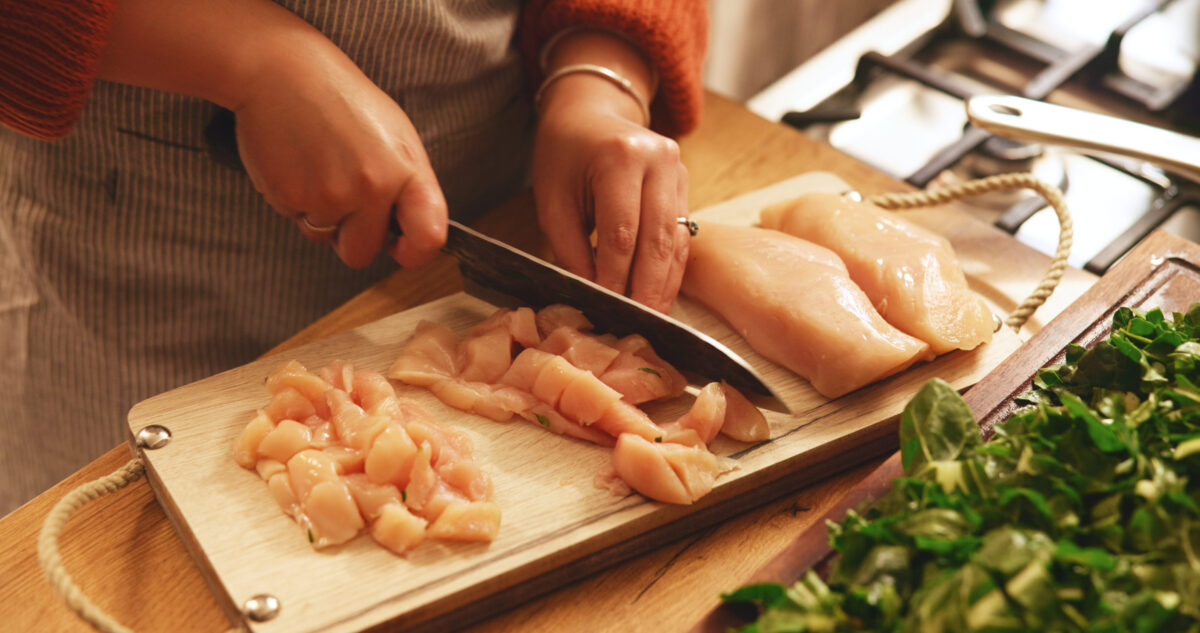
Chicken has moved from being just another protein option to one of the most common centerpieces of American home cooking.
Its popularity has grown because it works across many different types of meals. Families use chicken in sandwiches, salads, bowls, casseroles, pasta dishes, tacos, and quick weeknight dinners.
The shift has also changed grocery shopping habits. Instead of buying ingredients for one specific recipe, many shoppers now choose flexible foods they can use in multiple meals throughout the week.
Chicken’s role in the kitchen shows how Americans increasingly seek ingredients that offer options. A single grocery purchase can become several different meals depending on how it is prepared.
Avocados moved from specialty item to kitchen staple.
Avocados have gone from a restaurant favorite to a regular item on many grocery lists.
Once strongly associated with specific dishes and dining trends, avocados are now commonly used at home in breakfast meals, sandwiches, salads, dips, and everyday cooking.
Their rise reflects a broader change in how Americans shop for produce. Many shoppers now look beyond traditional fruits and vegetables, adding ingredients that bring new flavors and textures to familiar meals.
The avocado also represents how food trends can move from restaurants and social media into ordinary home kitchens.
Plant-based milk changed the dairy aisle.
The milk section at grocery stores looks different than it did years ago, with more shoppers considering alternatives alongside traditional dairy products.
Plant-based milk options have become a familiar part of grocery shopping, offering consumers more choices when selecting beverages for coffee, cereal, cooking, and baking.
Research from the USDA Economic Research Service examined how plant-based products have been replacing some cow’s milk purchases, while noting that the overall impact on the broader milk market remained limited.
The biggest change may be in consumer expectations. The dairy aisle is no longer built around one main option. Instead, shoppers often compare varieties before buying.
Ready-to-eat grocery foods have changed what home meals mean.
Americans increasingly want to eat at home without starting every meal from scratch.
Ready-to-eat grocery foods have changed how people think about convenience. Prepared salads, deli items, grab-and-go meals, and other store-made options allow shoppers to combine speed with eating at home.
Food industry research has continued to track growing interest in at-home meal trends and changing shopper routines, including how consumers approach lunch and prepared foods.
These foods have created a middle ground between restaurant dining and traditional cooking. Instead of choosing only between cooking everything or ordering takeout, many shoppers now have another option.
Frozen meals and frozen pizza became reliable kitchen backups.
Frozen foods have evolved from emergency options into regular parts of many household meal plans.
Frozen meals and frozen pizza have become popular because they offer an easy solution for busy evenings, unexpected schedule changes, or nights when cooking from scratch isn’t practical.
The freezer has become an important part of meal planning. Many households keep frozen foods on hand because they offer a simple meal option without extensive preparation.
This shift shows how convenience has become a major factor in grocery decisions. Shoppers are not only buying ingredients. They are also buying flexibility.
Eggs have become a grocery item Americans watch closely.
Eggs have become one of the most closely followed everyday foods in American grocery shopping.
They remain a common household purchase because they are used in many types of meals, from breakfast dishes to baking and cooking.
Changes in egg prices have also made them a highly discussed grocery item. When prices move, many shoppers notice quickly because eggs are a familiar product that households across the country buy regularly.
The attention around eggs shows how certain basic foods can become symbols of wider changes happening in grocery shopping.
Rice, pasta, potatoes, and beans keep traditional staples at the center of home cooking.
Some of the biggest changes in American kitchens are happening around foods that have been around for generations.
Rice, pasta, potatoes, and beans remain important because they are familiar ingredients you can use in countless meals.
These staples have adapted as cooking habits have changed. They appear in traditional recipes, quick meals, meal-prep plans, and creative dishes influenced by different cultures.
While grocery trends often focus on new products, these everyday foods show that home cooking still depends on reliable ingredients people know how to use.
The kitchen is changing one grocery trip at a time.
The biggest food trends are not always about unusual ingredients. Sometimes they come from ordinary foods that slowly change how people shop and cook.
Chicken, avocados, plant-based milk, prepared foods, frozen meals, eggs, and classic staples all show how American eating habits continue to evolve.
The modern grocery cart reflects a balance between tradition and convenience. Shoppers still want familiar foods, but they also want choices that fit busy schedules and changing routines.