Seven Old-Fashioned Cooking Habits Making a Return
A simmering stockpot, a seasoned cast-iron skillet, and a jar of homemade pickles once represented everyday kitchen life. Today, these traditional cooking practices are returning as many people look for ways to manage rising food costs, reduce waste, and create more meaningful meals. Old-fashioned cooking habits are gaining popularity because they offer practical solutions to modern challenges. They do not require rejecting convenience, but they remind us that many traditional skills still have value in today’s kitchens.
For generations, home cooks learned to make ingredients last as long as possible. A roast could become sandwiches, soup, or a casserole, while bones and vegetable scraps could become stock. As packaged foods and convenience products became more common, many of these practices faded. However, renewed interest in seasonal eating, sustainability, and home cooking has brought them back to a new generation of cooks.
The idea of efficiency has also changed. Cooking from scratch may require more time, but it often creates more value. A homemade broth can support several meals, and a large pot of beans can provide affordable food for days. These methods show that efficiency is not only about speed; it is also about making the most of what is already available.
Yesterday’s Dinner Becomes Tomorrow’s Meal
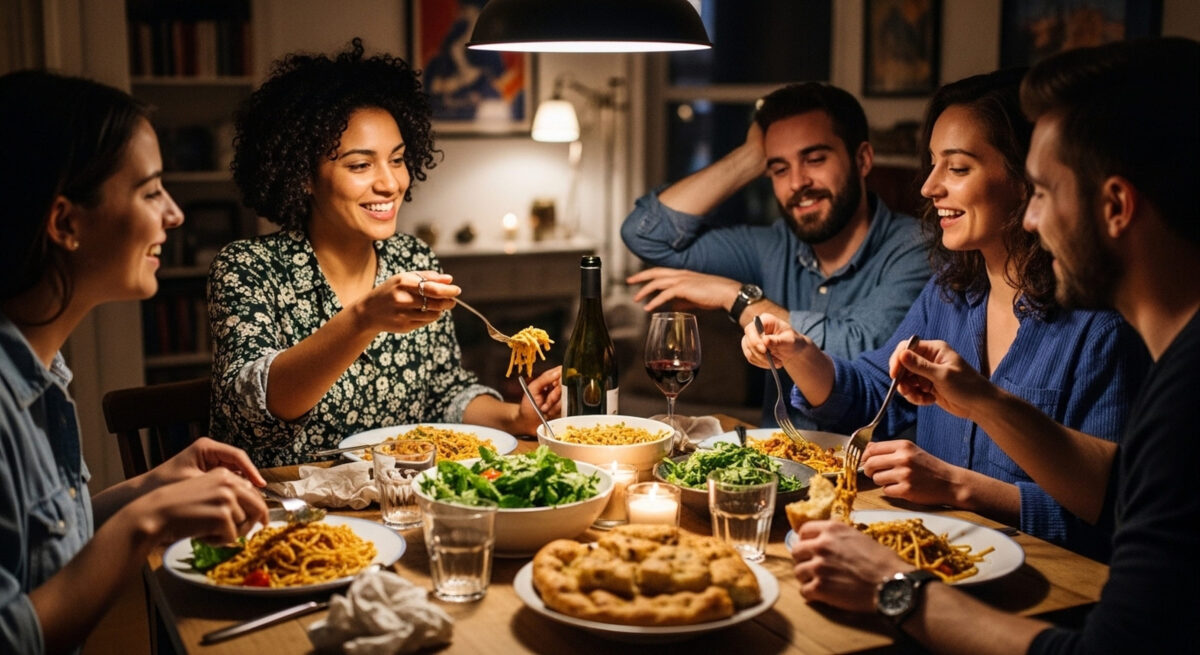
One of the most practical traditional habits is treating leftovers as ingredients, not waste. Earlier generations rarely expected one meal to be the only use for a roast, chicken, or pot of beans. Leftover meat could become sandwiches, soups, pies, or skillet dishes. Cooked vegetables could be added to omelets, pasta, rice dishes, or other simple meals.
This approach remains valuable because wasted food also means wasted money. Planning how to reuse leftovers before cooking the first meal helps households spend less and avoid unnecessary purchases. It also reduces the temptation to rely on expensive takeout after a busy day.
Cooking with leftovers encourages creativity. A small amount of chicken can become a filling soup with vegetables and grains. Stale bread can become breadcrumbs, croutons, stuffing, or breakfast dishes. Instead of constantly replacing ingredients, cooks learn to adapt and find new possibilities in what they already have.
The Stockpot Turns Scraps Into Flavor
Making stock from kitchen scraps was once a common practice. Vegetable ends, herb stems, bones, and other usable trimmings can create a flavorful base for soups, sauces, grains, and slow-cooked meals. Many modern cooks now freeze these ingredients until enough has accumulated for a homemade stock.
Beyond saving money, homemade stock gives cooks greater control over flavor and ingredients. It allows them to adjust salt levels and avoid relying entirely on packaged products. Slow simmering extracts richness from simple ingredients and creates a foundation for many dishes.
Stock-making also reflects a broader principle found in food traditions worldwide: valuable ingredients should not be discarded too quickly. Across cultures, cooks have created nourishing meals by using what was available and finding value in every part of an ingredient.
Cast Iron Returns to the Kitchen
Cast-iron cookware has experienced a revival because of its durability and versatility. A properly maintained skillet can sear meat, roast vegetables, bake bread, and move easily from the stovetop to the oven. Unlike cookware designed for frequent replacement, cast iron can last for decades.
Historically, cast-iron pans were household essentials because families relied on tools that could withstand daily use. With proper seasoning and care, the cookware improves over time. This long relationship between cook and tool appeals to people looking for alternatives to disposable kitchen culture.
Cast iron also supports traditional flavor-building techniques. When you cook food over high heat, browned bits left in the pan can be transformed into sauces through deglazing. A simple skillet can therefore create richer meals without requiring expensive ingredients.
Building Flavor Step by Step
Traditional cooking often focused on developing flavor throughout the process rather than correcting blandness at the end. Cooks learned to brown ingredients, season carefully, and add herbs at the right moments. These small steps create deeper and more balanced flavors.
This approach is especially useful when working with affordable ingredients. Beans, grains, vegetables, and inexpensive cuts of meat can become satisfying meals when prepared with patience and attention. Browning meat, slowly cooking onions, and balancing seasoning can transform simple ingredients into memorable dishes.
Cooking this way also teaches awareness. Cooks learn to recognize changes in smell, texture, and appearance. They understand when vegetables have softened, when meat has developed flavor, and when a sauce needs acidity or seasoning. These skills create confidence and connection in the kitchen.
Time Creates Richer Meals
Slow cooking has returned because it transforms simple ingredients into comforting, flavorful dishes. Tough cuts of meat become tender through braising, while beans and lentils develop rich textures as they simmer. Soups, stews, and slow-roasted meals often require little attention once they’re ready.
Traditional households often relied on slow cooking because it allowed families to create filling meals from limited ingredients. Modern appliances such as slow cookers and multicookers have made these methods easier to fit into busy schedules, but the basic idea remains the same: time can create depth and richness.
Preparing meals in advance also reduces dependence on costly last-minute options. A pot of soup, beans, or braised meat can provide reliable meals throughout the week while saving both money and effort.
Preservation Extends the Season
Pickling, fermenting, drying, and canning were once essential ways to keep food available beyond harvest season. Today, these practices are returning as people look for ways to reduce waste and enjoy seasonal ingredients year-round.
Quick pickling is one of the easiest techniques to try. Vegetables such as onions, cucumbers, carrots, and peppers can be preserved with vinegar, salt, sugar, and spices. The result adds freshness and flavor to sandwiches, salads, and main dishes.
Fermentation has also gained attention through foods such as sauerkraut, kimchi, yogurt, sourdough, and fermented sauces. These methods connect modern kitchens with long-standing traditions of food preservation and demonstrate how simple ingredients can develop complex flavors.
Making the Most of Every Flavor
Traditional cooks understood the value of what remained in the pan after cooking. They often turned browned pieces, drippings, and flavorful remnants into sauces and gravies rather than discarding them. With simple additions such as broth, flour, milk, wine, or vinegar, these leftovers could become an important part of the meal.
Deglazing a pan is a simple example of this approach. Adding liquid to a hot skillet releases concentrated flavors and creates the foundation for a sauce. This technique allows cooks to make ordinary meals feel more complete without spending more money.
Learning basic sauces and gravies also gives cooks greater control over taste and reduces dependence on packaged condiments. Often, the best flavors are already in the ingredients and tools you use.
A Modern Return to Kitchen Wisdom
The return of old-fashioned cooking habits does not mean abandoning modern convenience. Prepared foods, appliances, and shortcuts still have a place when time is limited. Traditional methods offer additional choices for those who want better flavor, less waste, and more value from their meals.
These habits reconnect people with the full potential of their food. Scraps become stock, leftovers become new meals, seasonal produce becomes preserved ingredients, and pan drippings become sauces. Each practice encourages creativity, responsibility, and appreciation for what is available.
In a world that often prioritizes speed, old-fashioned cooking habits offer a different approach. They remind us that slowing down, using ingredients wisely, and learning basic kitchen skills can create meals that are economical, flavorful, and meaningful.