6 The Ancient Foods Making A Quiet Comeback
For thousands of years, humans have cultivated an astonishing variety of fruits, vegetables, and herbs. These plants fed ancient civilizations, shaped cultural traditions, and provided natural sources of medicine and nutrition. Yet, as global agriculture became more industrialized, many of these once-important crops slowly disappeared from farms, markets, and dinner tables.
Today, a handful of forgotten foods are being rediscovered by farmers, chefs, scientists, and health enthusiasts who believe these lost crops may hold answers to modern challenges such as climate change, food insecurity, and declining biodiversity.
From unusual fruits hidden in tropical forests to ancient vegetables once grown by long-gone civilizations, these forgotten foods tell a story of human survival, adaptation, and the rich diversity lost along the way.
The Disappearing Diversity of the World’s Food Crops
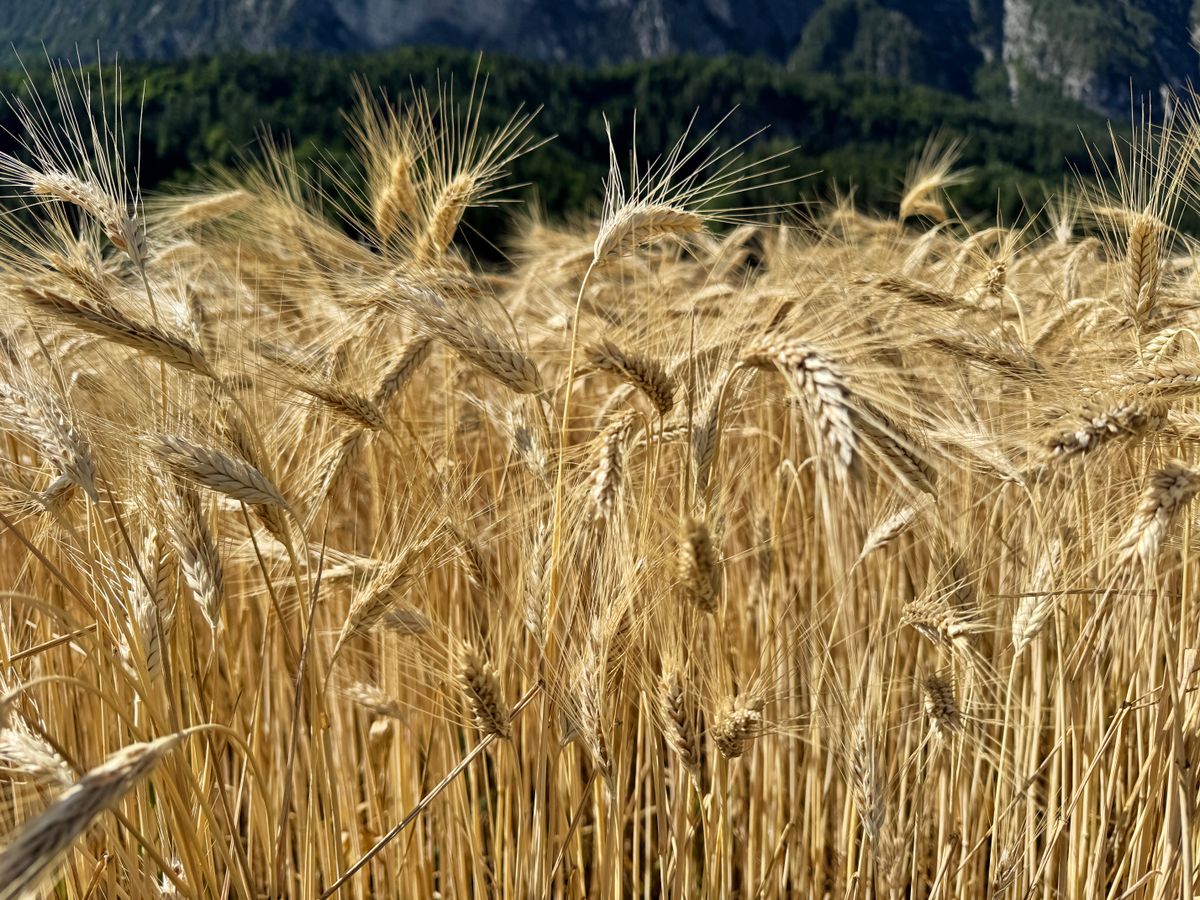
Modern supermarkets often create the illusion that the world has endless food choices. In reality, the opposite is true. Much of the global food supply depends on a small number of crops, including wheat, rice, maize, potatoes, and a limited selection of fruits and vegetables.
According to agricultural experts, thousands of traditional crop varieties have vanished over the past century as farmers moved toward high-yield commercial varieties. While these modern crops improved production, many ancient plants containing unique flavors, nutrients, and climate-resilient traits were pushed aside.
Forgotten crops are now attracting attention because they represent a living library of genetic resources. Some can survive drought, poor soils, pests, and extreme temperatures better than conventional crops.
Breadfruit
Long before modern food systems connected the world, communities across the Pacific relied on breadfruit as a major source of nutrition. The large green fruit grows on trees that can produce hundreds of fruits each year, providing communities with a reliable food source.
When cooked, breadfruit develops a texture similar to bread or potatoes, which explains its name. People can roast, boil, fry, or turn it into flour.
Despite its importance in Pacific cultures, breadfruit became less common in many parts of the world as imported grains and processed foods became dominant. However, scientists and agricultural organizations now promote breadfruit as a climate-friendly crop because its trees require little maintenance and can produce large amounts of food.
With growing interest in sustainable agriculture, this once-overlooked fruit is finding its way back into restaurants and farms around the world.
Oca
Before potatoes became one of the world’s most important staple foods, Andean communities cultivated many other root vegetables. One was oca, a small, colorful tuber grown in the Andes for centuries.
Oca comes in shades of red, yellow, purple, and pink. It has a slightly sweet flavor and can be eaten cooked or dried. Indigenous farmers valued it because it could survive in harsh mountain environments where other crops struggled.
As potatoes gained global popularity, oca became less familiar outside South America. Today, however, chefs and farmers are rediscovering it for its unique taste, appearance, and ability to grow in challenging conditions.
The return of oca highlights the importance of protecting traditional crops developed by Indigenous communities over generations.
Sea Kale
Sea kale was once a common wild vegetable along European coastlines. Unlike regular kale, this plant grows naturally near sandy shores and has thick green leaves and edible shoots.
For centuries, coastal communities harvested sea kale for food, especially when other vegetables were scarce. Its leaves can be cooked like spinach, while its young shoots are sometimes compared to asparagus.
As farming changed and commercial vegetables became more popular, sea kale disappeared from many diets. Today, conservationists and gardeners are showing renewed interest in this hardy plant because it can tolerate salty environments and may offer an alternative vegetable option in changing climates.
The Ancient Herb
Many forgotten foods are not fruits or vegetables but herbs that once played a central role in traditional cooking.
Lovage is one such example. The tall green herb was widely used in European kitchens before modern seasonings became popular. Its leaves and seeds have a flavor similar to celery but stronger and more complex.
Historically, people used lovage not only as a cooking ingredient but also in traditional remedies. People added it to soups, stews, and sauces to create deep flavors.
Over time, herbs such as parsley, basil, and coriander became more common, leaving lovage behind. Now, chefs interested in historical recipes and unique flavors are bringing it back into modern cuisine.
African Eggplant
Across parts of Africa, traditional farmers have long cultivated eggplant varieties that differ greatly from the large purple vegetables commonly found in supermarkets.
African eggplants come in different shapes, sizes, and colors. Some are bitter, while others taste mild. People use them in soups, stews, and sauces, and value them for their nutritional content.
However, commercial agriculture has often favored standardized crops, making wide local varieties less common.
Researchers are now working with farming communities to preserve these traditional vegetables. Their goal is not only to protect cultural heritage but also to maintain crop diversity that could become valuable as environmental conditions change.
Forgotten Fruits From the Forest
Many of the world’s forgotten fruits remain hidden in tropical forests and rural communities. Fruits such as baobab, pawpaw, and canistel have been consumed locally for generations but are still unfamiliar to much of the world.
Baobab fruit, native to Africa, has naturally dry pulp rich in nutrients and has traditionally been used in beverages and foods. The baobab tree itself can live for hundreds of years, making it an important part of many landscapes.
Pawpaw, not to be confused with papaya, is a North American fruit with a creamy texture and tropical-like flavor. Despite being native to the United States, it remains relatively unknown compared with apples and oranges.
Canistel, sometimes called egg fruit because of its texture, is another overlooked tropical fruit that has a sweet flavor and bright yellow flesh.
These fruits represent only a fraction of the forgotten foods still growing around the world.
Why Forgotten Foods Matter Today
The revival of forgotten crops is about more than discovering unusual flavors. It is also connected to some of the biggest challenges facing humanity.
Climate change is pressuring agricultural systems, making drought-resistant and adaptable crops increasingly important. Traditional plants often contain natural qualities developed over centuries of farming in difficult environments.
Forgotten crops also support cultural preservation. Many Indigenous communities have protected these plants through traditional knowledge passed from one generation to the next.
By bringing these foods back, societies can celebrate cultural heritage while creating more diverse and resilient food systems.
A Future Built on the Past
The foods that the world forgot may not remain forgotten for much longer. Farmers are planting them again, chefs are experimenting with them, and consumers are becoming more curious about where their food comes from.
The future of food may not depend only on creating new technologies or discovering new farming methods. It may also involve looking backward and rediscovering the plants that sustained humanity for centuries.
Every forgotten fruit, vegetable, and herb carries a story of ancient farmers, traditional knowledge, and nature’s incredible diversity.
As the world searches for healthier, more sustainable ways to eat, these forgotten foods remind us that tomorrow’s solutions are sometimes hidden in yesterday’s crops.