Are You A Chip Stealer? They Really Do Taste Better From Someone Else’s Plate, Study Finds
A familiar scene plays out at restaurants and dinner tables worldwide: someone orders a meal, insists they are not hungry, then reaches across the table and steals a few fries or chips from another person’s plate. The “victim” may complain, but the stolen snacks often taste better than the identical portion on their own plate.
Now, scientists say this common habit may involve more than simple mischief or a desire to taste someone else’s food. New research suggests that chips taken from another person’s plate can actually feel more enjoyable because the experience combines anticipation, social interaction, and a sense of indulgence.
The findings add a scientific explanation to a behavior many people already recognize: food sometimes feels more satisfying when it is not technically yours.
The psychology behind the “stolen chip”
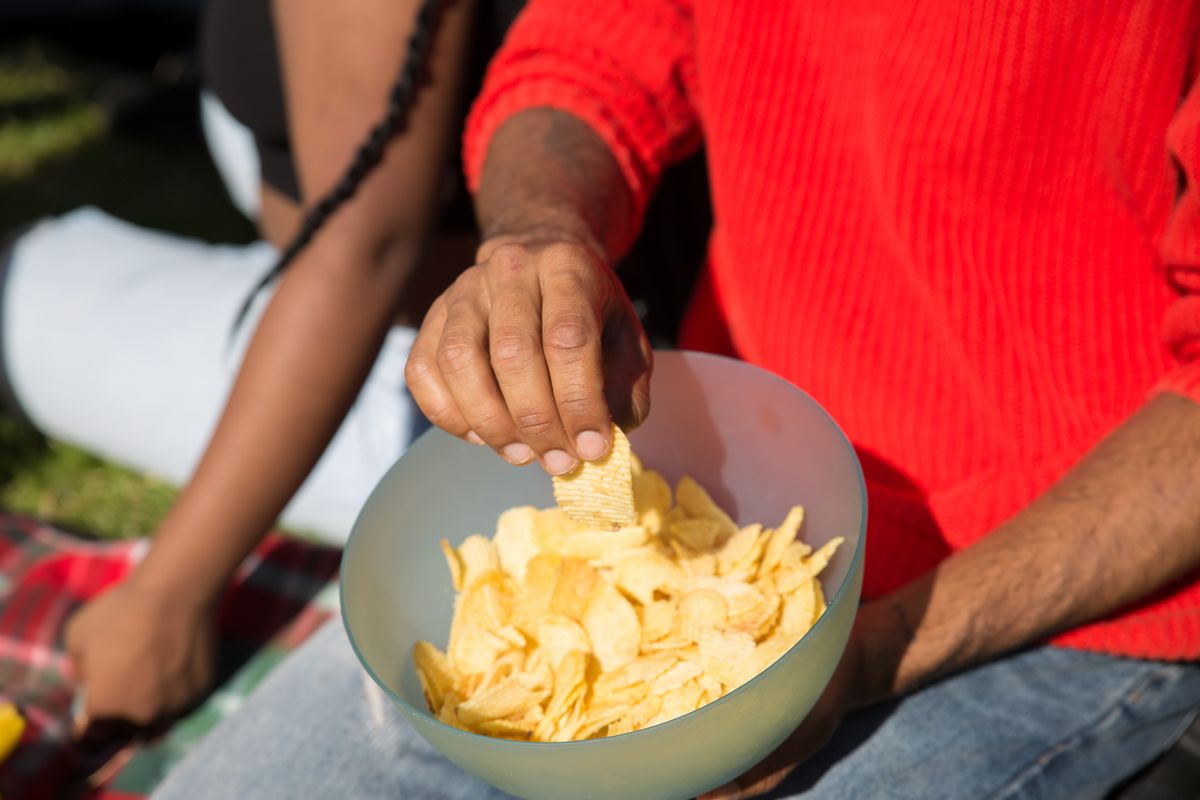
Researchers studying eating behavior have long known that taste depends on more than flavor. The smell, appearance, environment, and emotions connected to a meal can all affect how people experience food.
The latest findings suggest that taking food from someone else’s plate creates a different psychological experience than eating the same food from your own serving.
A chip from a friend’s plate may feel like a small reward, a playful act, or even a moment of connection. That emotional response can make the food seem more appealing.
“When people take food from another person’s plate, they are not just consuming calories,” researchers suggest. “They are participating in a social experience.”
The idea is similar to why food eaten during a celebration, holiday, or gathering often seems more memorable than the same meal eaten alone. The surrounding experience becomes part of the flavor.
Why stolen food feels like a treat
One possible explanation is the brain’s response to novelty and expectation.
When people order their own meal, they know exactly what they are getting. There is little surprise involved. But when they reach over and grab a chip from another plate, curiosity and excitement come into play.
The brain often reacts strongly to small unexpected rewards. A bite that feels spontaneous or slightly forbidden can trigger feelings of pleasure.
This does not mean the chip itself has changed. The seasoning, texture, and temperature are the same. Instead, the person’s perception of the food changes because of the situation surrounding it.
A similar effect can happen when someone tastes food while cooking, samples a friend’s dessert, or tries a bite from a shared platter. The experience can feel more special because it is connected to discovery.
The social side of sharing food
Food has always played an important role in human relationships. Across cultures, sharing meals is often associated with trust, friendship, and bonding.
Taking a chip from someone’s plate is usually acceptable only among people with a close relationship. Trying the same behavior with a stranger would likely be considered rude.
That difference shows the act isn’t just about hunger. It is also about social connection.
Researchers believe that small acts of food sharing can strengthen relationships because they create moments of interaction. A playful complaint, “Hey, those are mine!” followed by laughter can become part of the enjoyment of the meal.
In this way, the stolen chip becomes part of a shared experience rather than simply a snack.
The “forbidden fruit” effect
Psychologists have studied a similar phenomenon called psychological reactance: the tendency to value something more when it feels restricted or unavailable.
The classic example is the appeal of forbidden things. When people believe they should not have something, they may want it more.
A chip sitting on someone else’s plate can create a tiny version of that feeling. It is available, but it is not technically theirs. The small act of taking it may make the food feel more exciting.
Of course, the effect depends heavily on the relationship between the people involved. A partner stealing a few fries may be funny, while a stranger doing the same thing would likely get a very different reaction.
Not everyone enjoys the stolen snack.
While many people admit that food from another person’s plate tastes better, not everyone experiences the same effect.
Some people prefer control and predictability when eating. For them, having their own carefully chosen meal may be more satisfying than sharing.
Others may dislike the idea of someone touching their food, especially after concerns about hygiene or personal boundaries.
The researchers emphasize that enjoyment depends on individual personality, cultural habits, and social situations. The “stolen chip effect” is not a universal rule but rather a common psychological pattern.
Restaurants have noticed the sharing trend.
The popularity of shared plates, tasting menus, and family-style dining suggests that many people enjoy the social side of eating.
Restaurants increasingly design meals that encourage interaction, from large platters meant for sharing to dishes that invite diners to sample different flavors.
This approach reflects a broader understanding that dining is not only about satisfying hunger. People also seek experiences, memories, and connections.
A shared dessert or a bite taken from a friend’s meal can become one of the highlights of an evening.
What this means for everyday eating habits
The research does not suggest that people should start stealing food without permission. Instead, it highlights how much the human brain shapes how we experience taste.
A meal is not just a combination of ingredients. It is also the setting, the emotions, the people around us, and the stories connected to it.
The next time someone reaches across the table and takes one of your chips, their brain may genuinely tell them it tastes better.
And while you may still want to protect your plate, science suggests there is a reason that “just one chip” from someone else’s serving can feel surprisingly satisfying.
So, are you a chip stealer? If you are, you may be responding to a fascinating mix of psychology, social connection, and the pleasure of a tiny shared moment, one crispy bite at a time.