You May Be Thawing Frozen Chicken the Wrong Way, According to a Food Expert
Few things are more frustrating than preparing dinner after a long day, opening the freezer, and finding the chicken you planned to cook still completely frozen. A forgotten package of chicken can quickly turn a simple meal into a stressful situation.
For many home cooks, the usual solutions are familiar: placing chicken in the refrigerator overnight, using a cold-water bath, or relying on the microwave when time is running out.
The method focuses on thin, boneless, skinless chicken breasts and can move the meat from frozen to ready for cooking in about 30 minutes. The technique is not designed for every type of chicken, but for the right cut, it offers a practical option when dinner needs to happen quickly.
The Quick Thawing Technique Uses Hot Tap Water
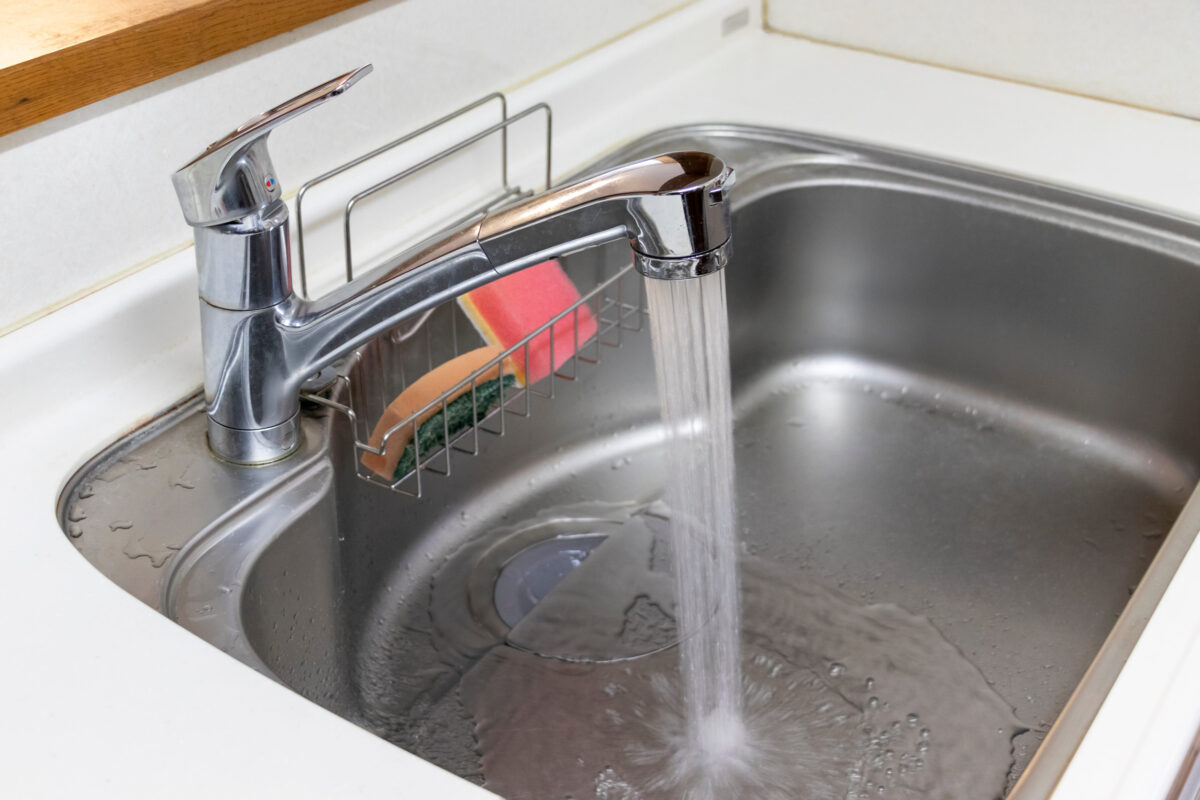
The method uses hot tap water, not boiling water, along with a properly sealed bag containing the frozen chicken.
First, place the chicken breast in a leak-proof zip-top bag before submerging it in water. This step matters because it prevents direct contact between the chicken and the water and helps reduce the risk of contamination. According to the technique described by Allrecipes, the water should be about 140°F.
The idea comes from food writer and science expert Harold McGee, who is widely recognized for explaining the science behind cooking methods and food preparation. His approach focuses on understanding how temperature affects ingredients and using that knowledge to improve everyday cooking techniques.
Unlike traditional thawing methods that rely on slow temperature changes, this technique uses warmer water to speed up the process while keeping the thawing period short.
Why the Size and Shape of the Chicken Matter
Although the method may sound like a universal solution for frozen chicken, it works best under specific conditions.
The shortcut is intended for thin, boneless, skinless chicken breasts that are around 1 inch thick or less. Smaller portions thaw faster because heat moves through the meat more evenly. A large frozen package of chicken pieces stuck together, thick chicken breasts, or bone-in cuts are much less suitable for this approach.
When chicken is frozen in a thick block, the outside can warm faster than the center. This creates an uneven thawing process and makes it harder to achieve the desired result. In those situations, slower methods such as refrigerator thawing or cold-water thawing are more practical.
The shape and thickness of the chicken matter as much as the water temperature. A thin piece lets warmth reach the frozen center faster, which is why this method works best for individual portions rather than large cuts.
How to Thaw Chicken in About 30 Minutes
For cooks working with a thin frozen chicken breast, the process is relatively straightforward.
First, place the frozen chicken inside a tightly sealed zip-top bag. Make sure the bag has no leaks before placing it in the water.
Next, fill a large bowl with hot tap water. The water should be close to 140°F, so use a kitchen thermometer instead of relying only on how warm the water feels.
Submerge the sealed chicken completely in the water. During thawing, stir the water occasionally to keep the temperature even around the chicken.
After about 30 minutes, check whether the chicken has thawed completely. Once it is ready, cook it immediately.
This method quickly moves the chicken from frozen to thawed and then from thawed to cooked. Don’t leave the chicken in warm water for too long.
Why a Thermometer Is an Important Tool
A kitchen thermometer can make a major difference when using this technique.
Water that is too cool may not thaw the chicken efficiently, defeating the purpose of using a faster method. On the other hand, water that is too hot could warm the outer layers too quickly or start cooking before the inside fully thaws.
Because faucet temperatures can vary, using a thermometer provides a more reliable measurement. The recommended temperature of about 140°F helps create the balance needed for faster thawing without excessive heating.
This small prep step can prevent inconsistent results and keep the process controlled rather than guesswork-based.
How This Method Differs From Traditional Advice
Many people have heard the warning that chicken should never be thawed in warm water. That advice exists for an important reason.
Raw poultry should not spend long periods at temperatures where bacteria can multiply quickly. Traditional food-safety recommendations generally encourage thawing chicken in the refrigerator, in cold water that is changed regularly, or in the microwave when the chicken will be cooked immediately afterward.
The hot-water method is different because it is designed for a specific situation: thin chicken breasts, a short thawing time, and immediate cooking afterward.
It is not meant to replace every other thawing method. Instead, it provides another option for cooks who need to prepare a meal quickly and can follow the steps carefully.
People who prefer the most cautious approach may still choose refrigerator thawing or cold-water thawing, especially when they have enough time to prepare.
Never Leave Frozen Chicken on the Counter
One practice remains widely discouraged: thawing frozen chicken on the kitchen counter for several hours.
When chicken sits at room temperature, the outside can warm much faster than the frozen center. This creates an environment where bacteria can grow more easily while the inside is still frozen.
If you know dinner is planned later in the day, moving chicken from the freezer to the refrigerator is the safest and easiest solution. If time is limited, cold-water thawing or a quick microwave thaw followed by immediate cooking may be better alternatives.
Cook Chicken Immediately After Quick Thawing
Once you thaw chicken using a fast method, move it directly into the cooking process.
Do not leave it on the counter while you prepare other ingredients. It also should not be returned to the refrigerator for later use after being thawed in warm water.
Cook chicken until the thickest part reaches an internal temperature of 165°F. A meat thermometer is the most reliable way to confirm that poultry has reached a safe temperature.
Proper cooking is the final and most important step in ensuring that a quick thawing method leads to a safe meal.
The Final Takeaway
A frozen chicken breast does not always have to ruin dinner plans.
For thin, boneless, skinless chicken breasts, the hot-water thawing technique shared by Allrecipes can move you from freezer to cooking in roughly half an hour. The key is to use a sealed bag, maintain the correct water temperature, keep the thawing time short, and cook the chicken immediately afterward.
This method is best viewed as a controlled last-minute solution, not a replacement for standard thawing practices. When used correctly, it can help busy home cooks save time while still preparing a safe and satisfying meal.