Viral Moment Sparks Debate Over Restaurant Prices.
A simple visit to Dunkin’ has sparked a wider online conversation after a woman reportedly became confused when the final cost of her order didn’t match what she expected to pay.
The incident, which has circulated widely across social media platforms, involves a customer who allegedly ordered around $14 worth of Dunkin’ products before being surprised by the amount shown on her receipt. While the exact details of the original exchange remain unclear, the story has gained attention because it reflects a situation many consumers say they have experienced: expecting one price and seeing another at checkout.
In an era when food prices continue to rise and customers pay closer attention to their spending, even a small difference between an estimated total and a final bill can create frustration. The viral discussion has moved beyond one Dunkin’ order and into a broader debate about restaurant pricing, taxes, fees, and consumer awareness.
The Dunkin’ Receipt Confusion That Got People Talking
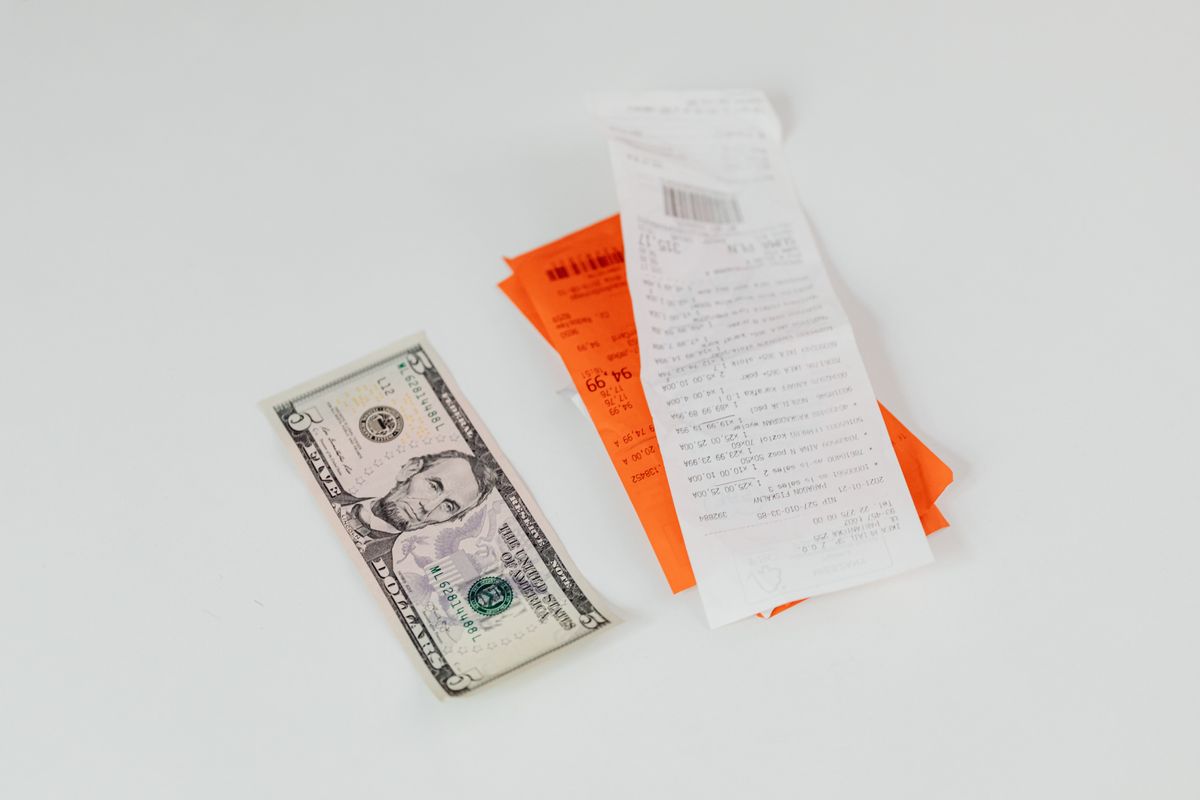
According to the viral claim, the woman believed her order would cost approximately $14. However, after completing her purchase and receiving her receipt, she reportedly questioned why the final amount was higher than expected.
The situation quickly gained attention because it touched on a familiar experience for many customers. People often calculate meal costs by adding up the prices they see on menus. However, the final amount at the register can differ because of additional charges such as taxes, location-based fees, or optional upgrades.
For some customers, the difference may be small. However, when people are already concerned about rising costs, unexpected additions can feel more noticeable.
Social media users responded with mixed opinions. Some argued that customers should always check the final total before paying, while others said businesses should make pricing information clearer to avoid confusion.
Why Customers Are Often Surprised by Final Restaurant Bills
The confusion surrounding restaurant receipts is not new. Many customers have experienced moments where the total amount is higher than their mental calculation.
One major reason is that menu prices often do not include sales tax. In many locations, restaurants display the base price of an item, and add tax at checkout. Depending on local tax rates and the number of items purchased, this can make a noticeable difference.
Another factor is customization. Many coffee shops and fast-food restaurants allow customers to add extra ingredients, larger sizes, special flavors, or other modifications. These additions may increase the final price without always being obvious during ordering.
Digital ordering systems can also contribute to confusion. While apps and touchscreen menus provide convenience, customers may move quickly through the ordering process without carefully reviewing every item and charge before payment.
As prices continue to increase across the food industry, consumers are becoming more aware of how much they spend on everyday purchases.
Rising Food Prices Change How People View Everyday Purchases
The discussion around the Dunkin’ receipt comes during a period when many consumers have noticed higher prices at restaurants and coffee shops.
For years, quick-service restaurants were often viewed as affordable options for breakfast, snacks, and drinks. However, inflation and rising operating costs have changed how many customers view these purchases.
A coffee, pastry, or breakfast sandwich may still be convenient, but customers increasingly compare prices and decide whether the purchase fits their budget.
Many people now pay closer attention to receipts, loyalty program discounts, promotions, and special offers. Small price differences that once went unnoticed now matter more to customers trying to manage expenses.
This has also changed online conversations about restaurants. A single photo of a receipt or a complaint about a purchase can quickly attract thousands of comments from people sharing similar experiences.
Social Media Reactions Show a Divide Among Consumers
The viral Dunkin’ story generated mixed reactions online, showing a divide in how people view responsibility during purchases.
Some commenters suggested that customers should understand how restaurant pricing works and should review their orders before paying. From this perspective, knowing that taxes and additional charges may apply is part of being an informed consumer.
Others sympathized with the customer and argued that businesses should make pricing more transparent. They suggested customers should clearly understand what they will pay before completing their purchase.
The debate reflects a larger issue between customer expectations and modern pricing practices. While restaurants may follow standard pricing methods, customers increasingly want to know the exact amount they will spend before reaching the payment stage.
The conversation also highlights how social media has changed consumer discussions. In the past, a disagreement at a restaurant might have remained private. Today, a single experience can become a public conversation about business practices and customer experiences.
The Importance of Checking Receipts Before Paying
One lesson many consumers can take from situations like this is to review orders before paying.
Before tapping a card or submitting a mobile order, customers can check the listed items, sizes, modifications, discounts, and final total. This simple step can help prevent misunderstandings.
Mistakes can happen in restaurants. An incorrect item, an accidental addition, or a misunderstanding about a promotion can all affect the final bill.
For customers who are budgeting carefully, reviewing receipts is especially important. Tracking small purchases throughout the week can also help people understand where their money is going.
At the same time, restaurants can help reduce confusion by making prices and additional charges easy to understand. Clear communication benefits both customers and businesses by reducing disagreements and improving trust.
Restaurants Face Growing Pressure for Price Transparency
The reaction to the Dunkin’ receipt story reflects a larger trend in the food industry. Customers are increasingly asking businesses to be more transparent about pricing.
Many consumers want to know the complete cost of a purchase before they commit. This expectation has grown as more people use online shopping and delivery services, where final prices are often displayed before payment.
Restaurants, meanwhile, must balance several challenges, including ingredient costs, employee wages, rent, and other operating expenses. These factors influence the prices customers see on menus.
The result is a complicated relationship between businesses trying to remain profitable and customers trying to receive good value.
While one receipt may not represent the entire restaurant industry, stories like this show how strongly people react when they feel surprised by the amount they pay.
A Small Receipt Becomes a Bigger Conversation
The Dunkin’ receipt controversy may have started as a simple customer experience, but it has become part of a wider discussion about modern spending habits.
The incident highlights how closely people watch prices and how quickly everyday purchases can spark public debate.
Whether customers agree that the receipt surprise was justified or simply a misunderstanding, the conversation reveals an important point: clear pricing matters.
For consumers, checking totals and understanding additional charges can prevent unexpected costs. For businesses, clear information can help build stronger customer relationships.
In the end, the viral Dunkin’ moment is about more than one order. It represents the challenges consumers face when trying to balance convenience, affordability, and expectations in a changing economy.
As food prices continue to evolve, customers will likely keep paying close attention to what appears on their receipts, and businesses will continue facing pressure to make every charge easy to understand.