
7 Mistakes That Make Your Eggs Taste Worse
Eggs are one of the simplest foods to cook, but they are also surprisingly easy to mishandle. A few extra minutes in the pan, a little too much heat, or the wrong approach to stirring can change the texture and flavor more than most home cooks expect.
The difference between average eggs and great eggs usually isn’t a complicated recipe or extra ingredients. It comes down to small decisions: controlling the heat, using the right amount of fat, giving the eggs room to cook, and knowing when they are ready to leave the pan.
Here are seven common habits that can make eggs turn out less enjoyable, and what to do instead.
Cooking Eggs Over Heat That’s Too High
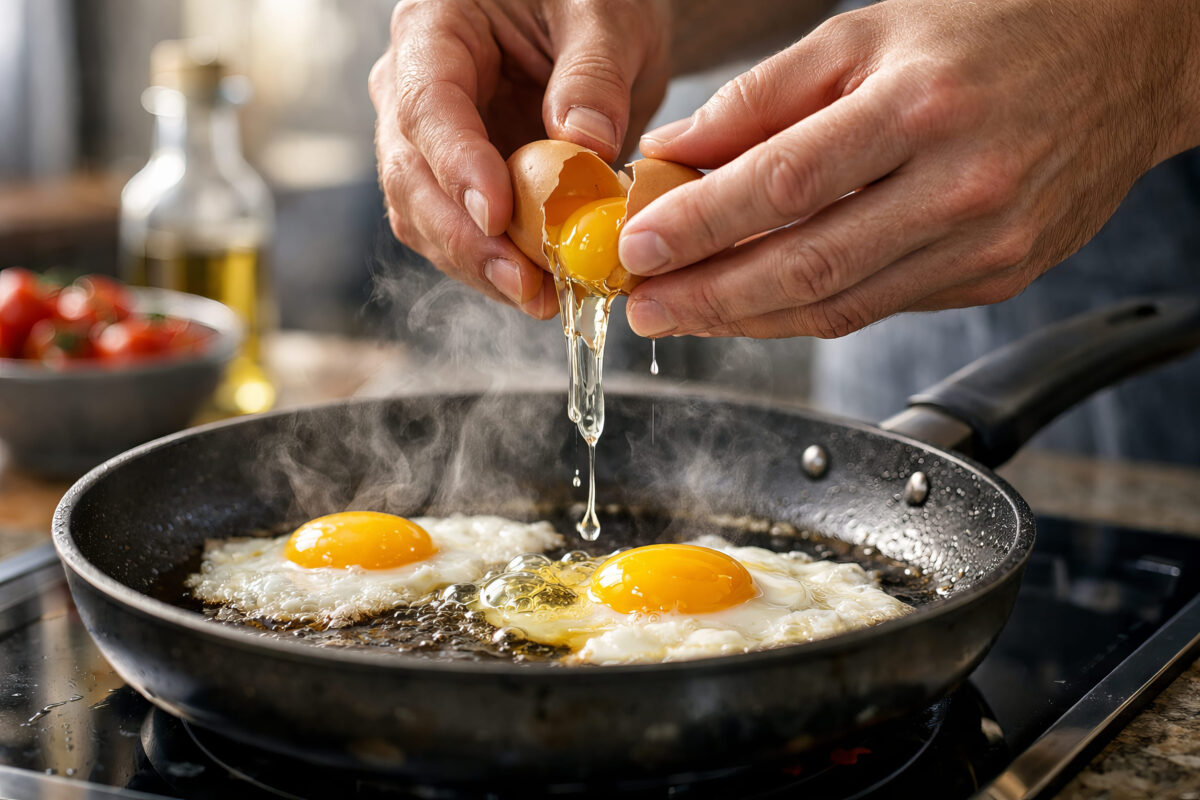
High heat can make eggs go from perfectly cooked to overdone in a hurry. Because eggs set quickly, an overly hot pan can leave you with firmer curds, browned spots, or a tighter texture before you have enough time to shape the eggs the way you want.
For a softer scramble, a gentler approach gives the eggs more time to come together gradually. Low to medium-low heat can help create tender eggs, while medium heat can also work if you prefer larger, fluffier curds. The important thing is keeping the pan under control.
A simple clue: if the butter starts browning before the eggs even hit the pan, the skillet may be hotter than you need for a gentle scramble.
The goal isn’t to cook eggs as slowly as possible. It’s to use enough heat to cook them steadily without letting the pan take over.
Overcooking Them
Eggs can keep cooking even after they leave the burner. The heat stored in the pan continues working on them, which means eggs that look perfectly finished in the skillet can end up firmer by the time they reach the plate.
This is especially noticeable with scrambled eggs. Waiting until every bit of moisture seems gone before removing them from the heat can leave you with a drier texture.
A better habit is to pay attention near the end of cooking. Remove the eggs when they have reached the texture you want while making sure there is no visible liquid egg remaining.
The FDA advises cooking scrambled eggs until they are firm throughout. Then transfer them out of the hot skillet rather than letting them sit there. The pan does not stop affecting the eggs just because the flame is off.
Leaving Seasoning Until the Very End
Seasoning eggs only after they are cooked is not always a mistake, but it can lead to uneven flavor. Some bites may have plenty of seasoning while others taste plain.
Mixing seasoning into beaten eggs before cooking can help distribute it throughout the dish. This creates a more consistent flavor from the first bite to the last. The American Egg Board’s basic scrambled-egg method starts by beating the eggs with salt and pepper before they go into the skillet.
That does not mean finishing seasoning has no place. A little extra black pepper, herbs, hot sauce, cheese, or flaky salt at the end can add a final touch.
Think of it as a two-step approach: season early for an even base, then adjust at the end according to your preference.
Using Too Much Fat
Butter and oil can make eggs cook more smoothly and add flavor, but too much can overwhelm the dish. Instead of tasting like eggs with a little richness, the finished plate can become dominated by the fat.
The trick is balance. The cooking surface should be coated enough to help prevent sticking and support cooking, not leave the eggs sitting in a pool of grease.
Butter can be especially easy to overdo because its flavor stands out. A lightly coated pan usually gives eggs the support they need without covering up their natural taste.
Fat should play a supporting role, not become the main ingredient.
Constantly Stirring Scrambled Eggs
How you move scrambled eggs in the pan has a big effect on the final texture. Constant stirring breaks the eggs into smaller curds, creating a softer, finer scramble.
That style can be exactly what some people want. But if you are looking for larger, fluffier folds, nonstop stirring works against you.
Instead, try giving the eggs brief moments to set before gently pulling cooked portions from the edges toward the center. Folding the softer parts over themselves helps create larger curds with more structure.
The American Egg Board recommends gently pulling, lifting, and folding the eggs rather than stirring constantly. There is no single correct stirring method. The mistake is using the same movement every time without considering the texture you want.
Crowding the Pan
A crowded skillet makes eggs harder to manage. When too many eggs are packed into a small space, there is less room to move them around, and different areas of the pan may cook at different speeds.
That can create a frustrating situation where some parts are already firm while other sections are still wetter. The cook may leave everything in the pan longer while waiting for the remaining liquid portions to catch up, which can make the cooked areas dry.
A pan with enough space for the eggs to spread out is easier to control. For larger batches, use a bigger skillet or consider cooking in separate rounds instead of forcing everything into one crowded pan.
Eggs need room to move just as much as the cook needs room to manage them.
Letting Cooked Eggs Sit Around
Eggs are at their best when they go from the pan to the plate without unnecessary waiting. As they sit, their texture can continue changing, becoming firmer and less appealing.
This is why good egg preparation is partly about timing. Have your toast, plates, seasonings, and toppings ready before the eggs start cooking. Once the eggs are finished, serve them promptly.
Scrambled eggs especially benefit from a quick trip out of the skillet. Leaving them in a warm pan while everyone gets ready can undo the careful work you put into cooking them.
The final step of making good eggs is simple: eat them while they still have the texture you were aiming for.
Better eggs usually come down to restraint rather than extra effort. Moderate heat, enough room in the pan, balanced seasoning, and attention to the final moments of cooking can make a noticeable difference. A few small changes in technique are often all it takes to make everyday eggs taste more thoughtful and satisfying.


