Foods That May Soon Disappear From Our Planet
Imagine a world where your favorite coffee tastes different, rare cheeses vanish from markets, traditional rice varieties become memories, and old family recipes can no longer be made the way they were for centuries.
It sounds like a scene from a movie, but around the world, some foods are facing real challenges. Not because people have stopped loving them, but because the plants, animals, farming systems, and traditions behind them are under pressure.
The phrase “disappearing foods” can mean different things. Sometimes a species behind a food is threatened. Sometimes a special crop variety is slowly disappearing from farmers’ fields. Sometimes the food remains available, but the traditional way of producing it is becoming rare.
Either way, every lost food tells a story about biodiversity, culture, and human history.
Coffee may survive, but its wild ancestors need help
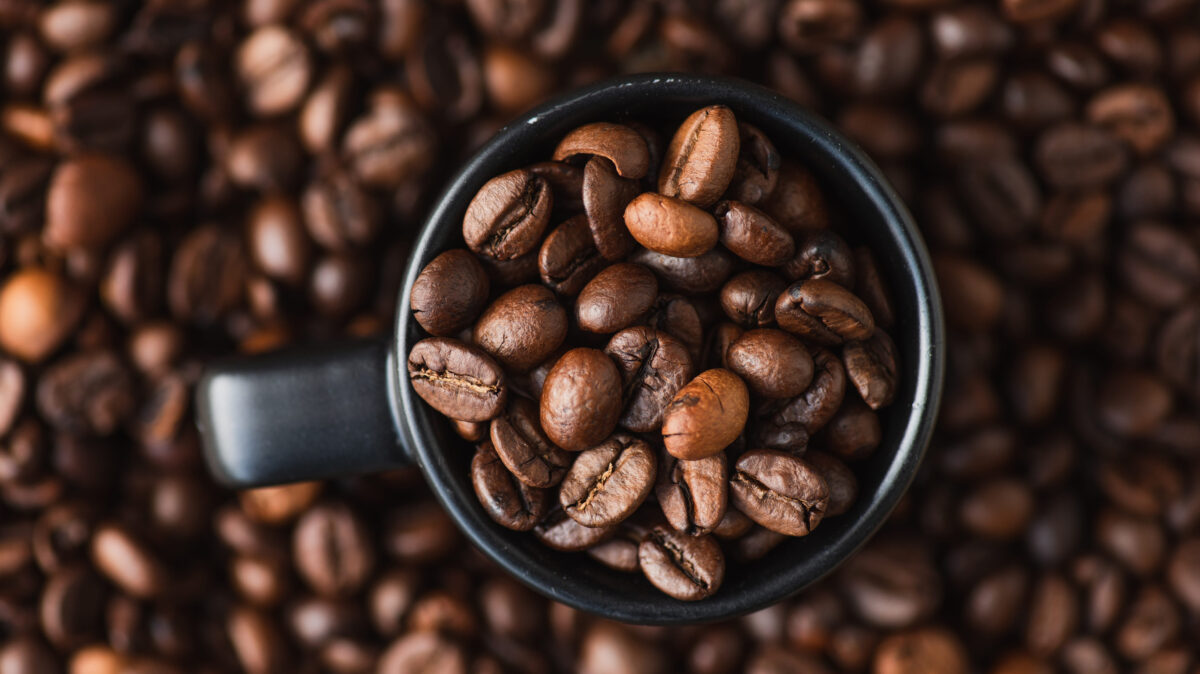
For millions of people, the day does not begin until coffee arrives. But behind every cup is a bigger story.
Wild Arabica coffee, the natural ancestor of one of the world’s favorite coffee types, is facing serious threats from habitat loss and climate change. The concern is not that coffee shops will suddenly run out of coffee. Commercial Arabica coffee is still widely available.
The real worry is losing wild coffee plants that contain genetic traits needed to help future coffee crops survive heat, drought, and disease.
Protecting these wild plants could mean protecting tomorrow’s morning cup.
The eel dishes facing an uncertain future
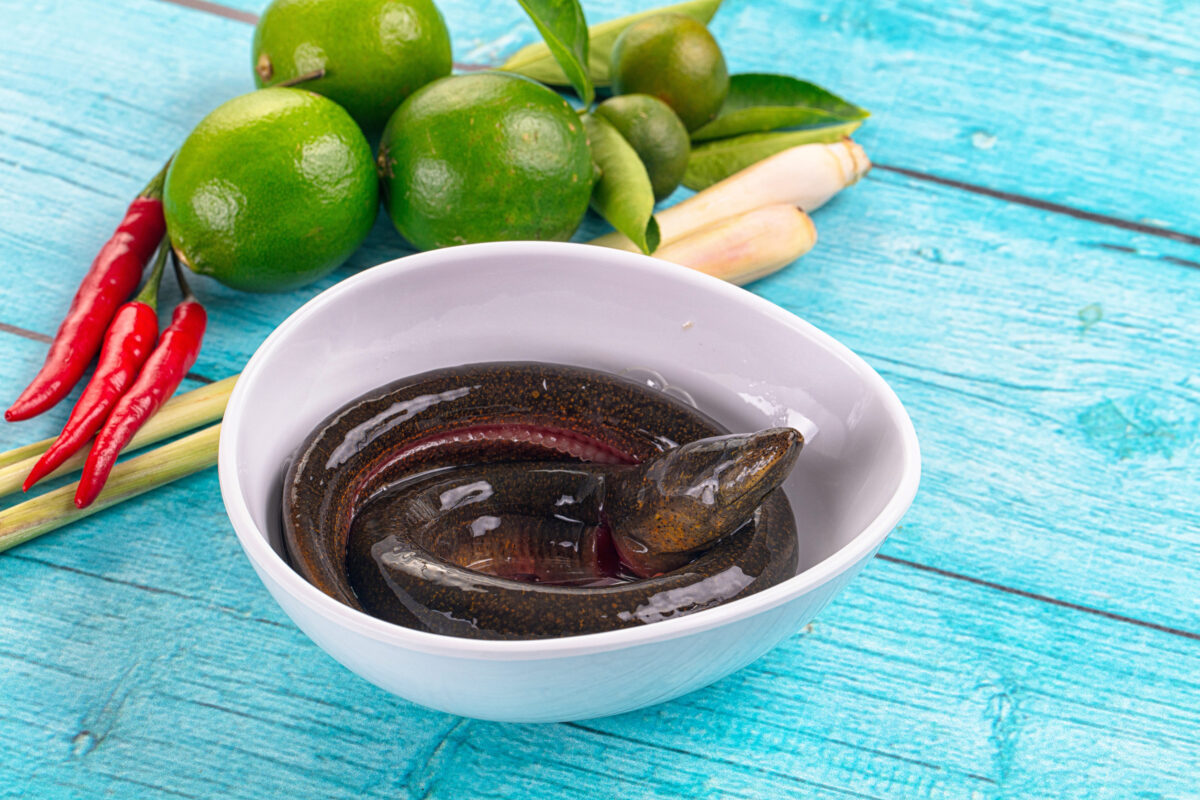
For generations, European eel has been part of traditional dishes in parts of Europe, including Britain’s famous jellied eels.
But the story behind the dish is becoming complicated. The European eel itself is considered Critically Endangered because of pressures including fishing, habitat loss, and barriers that prevent the species from completing its life cycle.
The dish has not vanished. Some traditional shops still serve eel. But when the species behind a food declines, the future of that food tradition becomes uncertain.
The lost varieties hiding in our fields
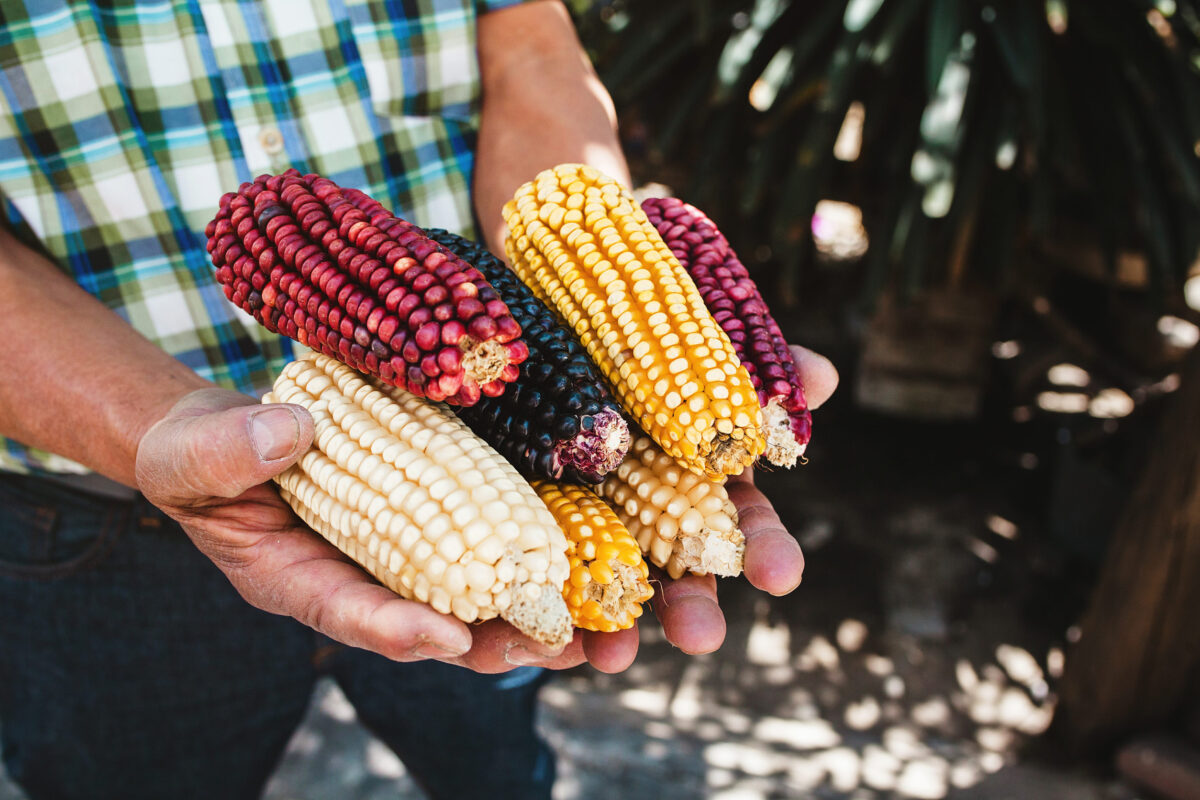
Many foods are not disappearing completely. They are becoming less diverse.
Take maize in Mexico. Corn is not going extinct, and Mexico remains home to incredible maize diversity. However, some traditional landraces, which are locally adapted varieties developed by farmers over generations, are declining as farming practices change.
These varieties may have unique colors, flavors, and abilities to survive local conditions. Losing them would mean losing a valuable part of agricultural history.
The same pattern is happening with traditional rice varieties, wheat, fruits, and other crops worldwide.
A supermarket shelf may still look full, but behind the scenes, thousands of smaller food varieties are becoming harder to find.
When old recipes lose their makers
Sometimes the ingredient survives, but the knowledge disappears.
Traditional cheeses are a great example. A famous cheese name may continue to exist while the original farmhouse methods, local breeds, and aging techniques become rare.
In parts of Europe, small producers making traditional raw milk cheeses are becoming fewer. The challenge is not that cheese itself is disappearing. The handmade process, local knowledge, and connection to the landscape are at risk.
Food is not just about ingredients. It is also about the people who know how to transform them.
Heritage fruits hanging on by a thread
Some foods survive because a few dedicated growers refuse to let them disappear.
Traditional apple varieties are a good example. Modern agriculture often favors fruits that are easier to transport, store, and sell. As a result, many older apple varieties have disappeared from commercial orchards.
Some heritage varieties now survive in small collections or even on only a handful of trees.
Saving these fruits is not only about preserving unusual flavors. It is about protecting genetic diversity that could become important for future farming.
Why losing food diversity matters
You might wonder: if we still have coffee, rice, cheese, and apples, why should we worry?
Because diversity makes food systems stronger.
A single crop variety can be vulnerable to disease, pests, or climate change. A wide range of varieties gives farmers more options and helps communities adapt.
Traditional foods also preserve stories. They connect people to landscapes, cultures, and generations that came before them.
How we can help keep these foods alive
The future of these foods is not already written.
Consumers can support small farmers, local producers, heritage food projects, and organizations working to protect traditional varieties. Trying unusual foods, buying from local growers, and learning where food comes from can all make a difference.
Every meal is a choice about what survives.
The next time you enjoy a cup of coffee, a bowl of rice, a piece of cheese, or a perfectly imperfect heritage fruit, remember that you may be tasting more than food.
You may be tasting a tradition that someone, somewhere, is working hard to