8 Foods Experts Say Women Over 50 Should Eat More Often
Turning 50 brings plenty of changes for women, and many of them happen quietly inside the body. Menopause shifts hormone levels, bones can begin to lose density more quickly, and muscle mass gradually declines. The body’s needs for certain nutrients change, even if appetite does not.
Many women find that the eating habits that served them well at 30 no longer work the same way at 55 or 65. Doctors and dietitians often recommend paying closer attention to calcium, vitamin D, protein, fiber, and healthy fats. The good news is that many of the best foods for this stage of life are simple, affordable, and easy to find.
This article is general information, not personal medical advice, and anyone with a health condition should talk with their own doctor. With that in mind, here are eight foods experts often say women over 50 should eat more often, and why they matter.

1. Yogurt and Other Dairy Foods
Calcium is especially important for women after menopause, when the risk of osteoporosis rises. The National Institutes of Health explains that women over 50 need more calcium than younger women. Dairy foods such as yogurt, milk, and cheese are some of the richest sources.
Yogurt also provides protein and, in many cases, live cultures that support digestion. Plain yogurt with fresh fruit makes an easy breakfast or snack. Many experts suggest choosing options without much added sugar.
For women who do not eat dairy, fortified plant milks and other foods can help. There are many calcium-rich foods beyond milk. The key is getting enough every day.
2. Fatty Fish Like Salmon and Sardines
Fatty fish such as salmon, sardines, and trout contain omega-3 fatty acids. These fats are linked to heart health, which becomes a bigger concern for women after menopause. Fish also provides protein and, in some cases, vitamin D.
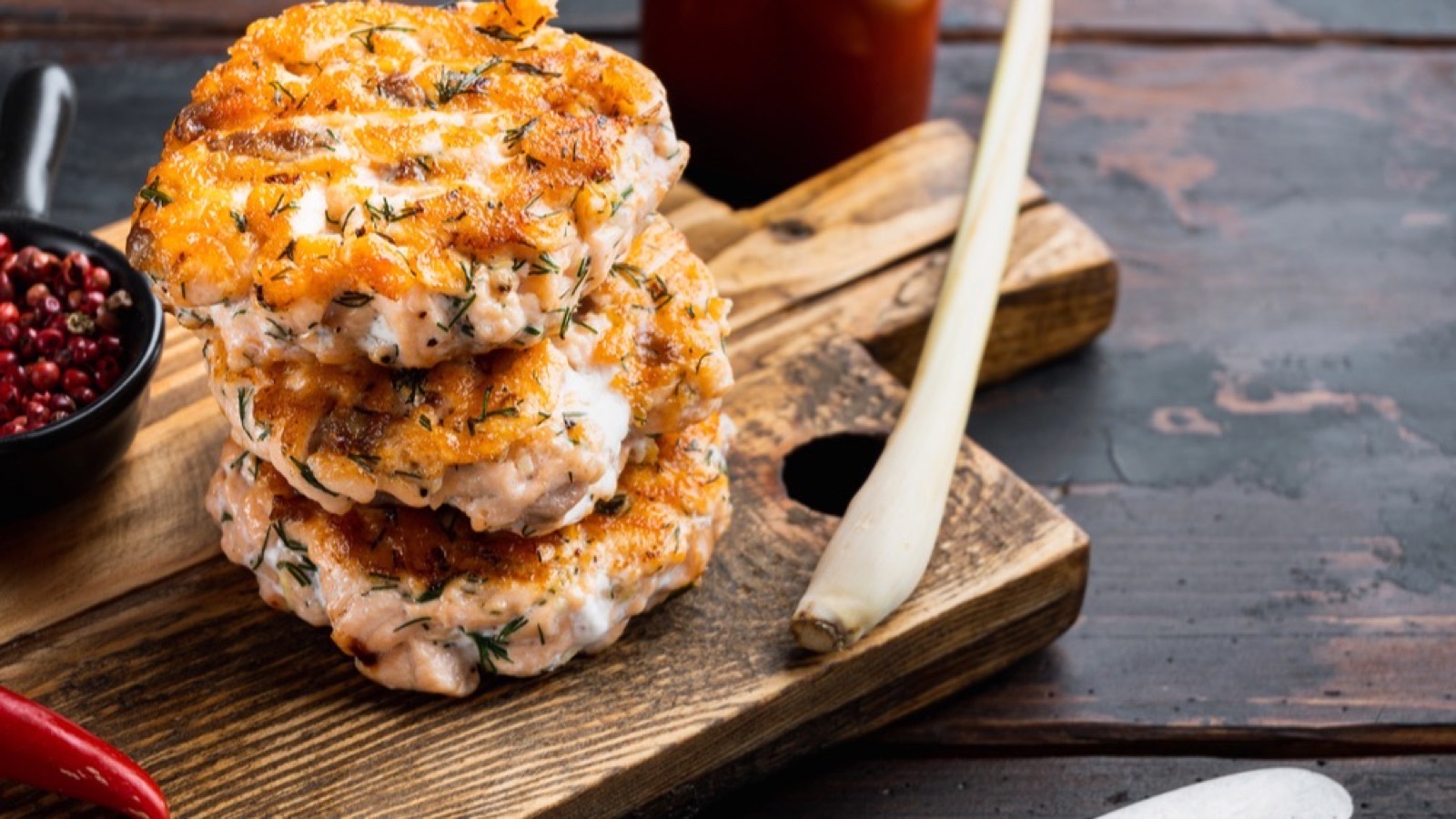
Canned salmon and sardines with soft, edible bones are also good sources of calcium. They are affordable and convenient. They can be added to salads, sandwiches, or pasta.
The FDA offers advice on choosing fish that are lower in mercury. Many experts recommend eating fish a couple of times a week. It is an easy way to support overall health.
3. Beans and Lentils
Beans and lentils are rich in fiber, protein, and minerals. Fiber supports digestion and helps keep people feeling full. It may also help with healthy cholesterol levels.
Harvard’s Nutrition Source describes legumes as a valuable part of a healthy diet. They are also inexpensive and versatile. They can be used in soups, salads, chili, and side dishes.
For women who are trying to eat less red meat, beans and lentils are a good source of protein. They are also helpful for maintaining a healthy weight. Many traditional diets around the world rely on them.
4. Leafy Green Vegetables
Leafy greens such as spinach, kale, collard greens, and broccoli provide vitamins, minerals, and fiber. Some greens, such as collards and kale, also contain calcium. They are low in calories and high in nutrients.
Many Southern women grew up eating collard greens and turnip greens. These traditional foods are packed with nutrients. They can be cooked in healthier ways with less fat.
Leafy greens also provide vitamin K, which plays a role in bone health. They can be added to soups, salads, smoothies, and side dishes. Experts recommend eating a variety of vegetables every day.
5. Whole Grains Like Oats
Whole grains such as oats, brown rice, and whole wheat bread provide fiber and nutrients. They help keep blood sugar levels steady and support digestion. They can also help with heart health.
Harvard’s Nutrition Source notes that oats contain a type of soluble fiber linked to healthy cholesterol levels. A bowl of oatmeal is an easy way to start the day. It can be topped with fruit, nuts, or a little honey.
Many women over 50 find that whole grains help them feel full longer. They are a healthier choice than refined white bread and pastries. Small swaps can make a big difference.
6. Nuts and Seeds
Nuts and seeds provide healthy fats, protein, fiber, and minerals. Almonds, walnuts, flaxseeds, and chia seeds are all good choices. They make convenient snacks and can be added to many dishes.
Some research has linked regular nut consumption with heart health. Nuts are calorie-dense, so portion size matters. A small handful is usually enough.
Seeds such as flaxseed and chia can be sprinkled on yogurt, oatmeal, or salads. They add texture and nutrients. Many women enjoy them as part of a healthy breakfast.
7. Eggs and Lean Protein
Protein becomes more important with age, because it helps maintain muscle mass. Many experts suggest spreading protein throughout the day. Eggs, chicken, fish, beans, and dairy are all good sources.
Eggs are affordable and easy to prepare. They provide high-quality protein and several vitamins. They can be eaten at breakfast, lunch, or dinner.
Maintaining muscle mass helps with strength, balance, and mobility. It also supports a healthy metabolism. Combining protein with regular exercise is especially helpful.
8. Berries and Colorful Fruits
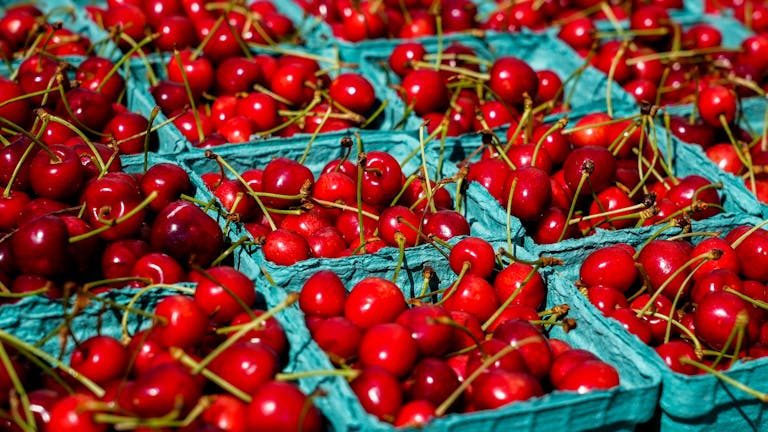
Berries, oranges, and other colorful fruits provide vitamins, fiber, and antioxidants. They are naturally sweet and make a healthy dessert or snack. They can be eaten fresh, frozen, or added to dishes.
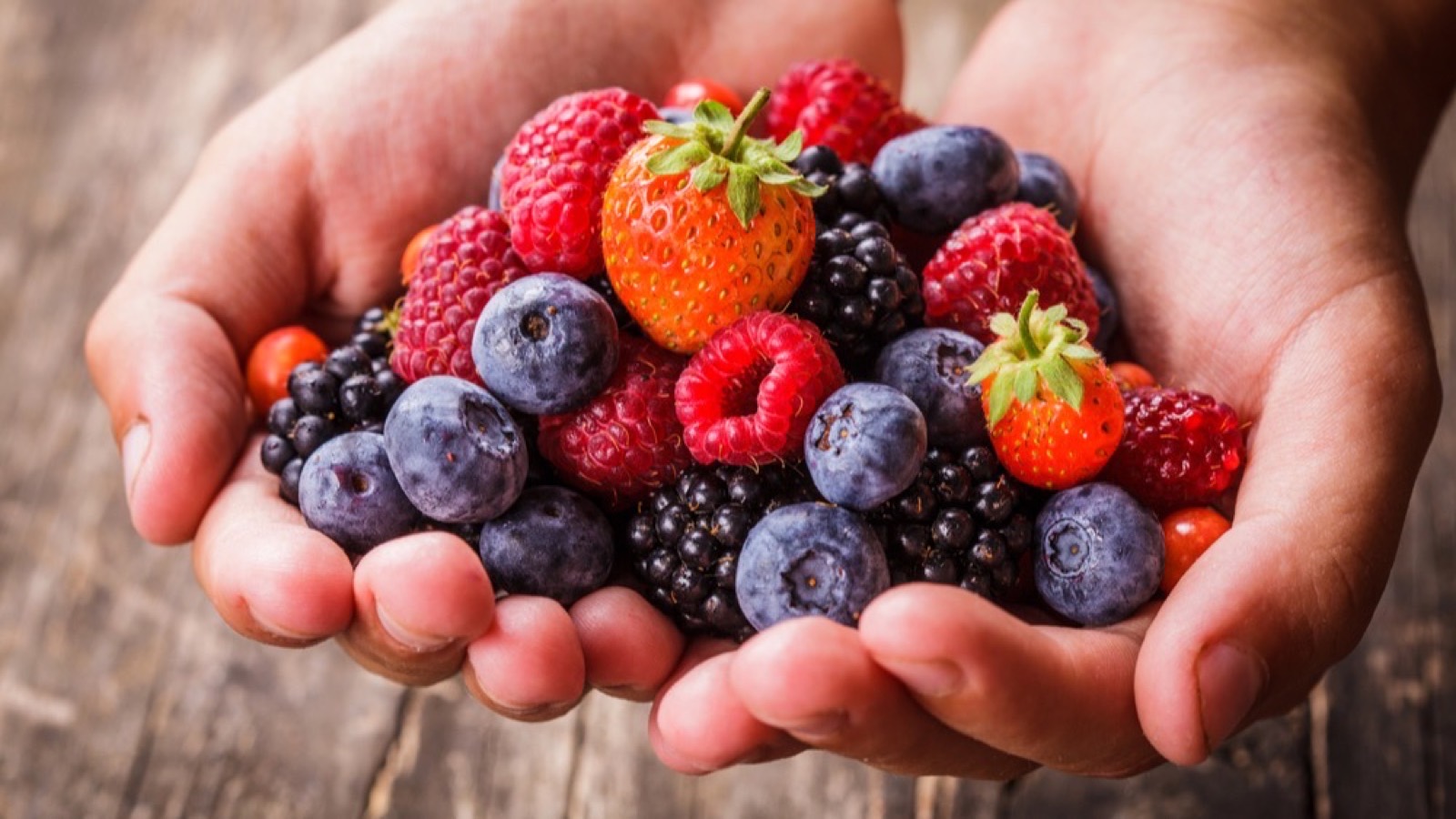
Fruits like oranges provide vitamin C, which supports overall health. Berries are often praised for their antioxidants. Eating a variety of fruits ensures a range of nutrients.
Many women find that fruit helps satisfy a sweet tooth without added sugar. It can replace cookies or pastries. It is an easy way to eat more healthily.
What Else Matters After 50
Diet is only one part of healthy aging. Regular physical activity, good sleep, and social connection also matter. The National Institute on Aging offers guidance on healthy eating for older adults.
Many women also benefit from regular health checkups. Doctors may recommend bone density tests, blood work, and other screenings. These can help catch problems early.
Small Changes Add Up
Healthy eating after 50 does not have to be complicated. Small changes, such as adding a serving of vegetables or choosing whole grains, can make a big difference. Many women find that these habits help them feel more energetic.
These habits fit alongside other small life changes that may help people live longer. Which of these foods do you already eat regularly, and which would you like to add to your diet?