Make Yourself One Nice Thing: Why Small Acts of Preparation Can Matter More Than Perfect Meal Plans
Moving Beyond the Pressure of Perfect Meal Prep
Modern life often encourages people to optimize everything. We organize our schedules, track our habits, and search for systems that help us become more efficient. Food preparation has become part of this culture, with meal prepping often presented as the ideal solution for busy schedules.
The idea is straightforward: spend hours preparing meals in advance, portion everything carefully, and remove daily decisions from the week ahead. For many people, this approach works well. It can save time and reduce stress. However, another way to think about preparation focuses less on efficiency and more on kindness toward yourself.
In her Salon article, “Don’t meal prep. Make yourself one nice thing,” Ashlie D. Stevens explores the idea that instead of preparing an entire week of meals, people can create one thoughtful item that makes their future day easier and more enjoyable.
A Small Preparation That Changes a Morning
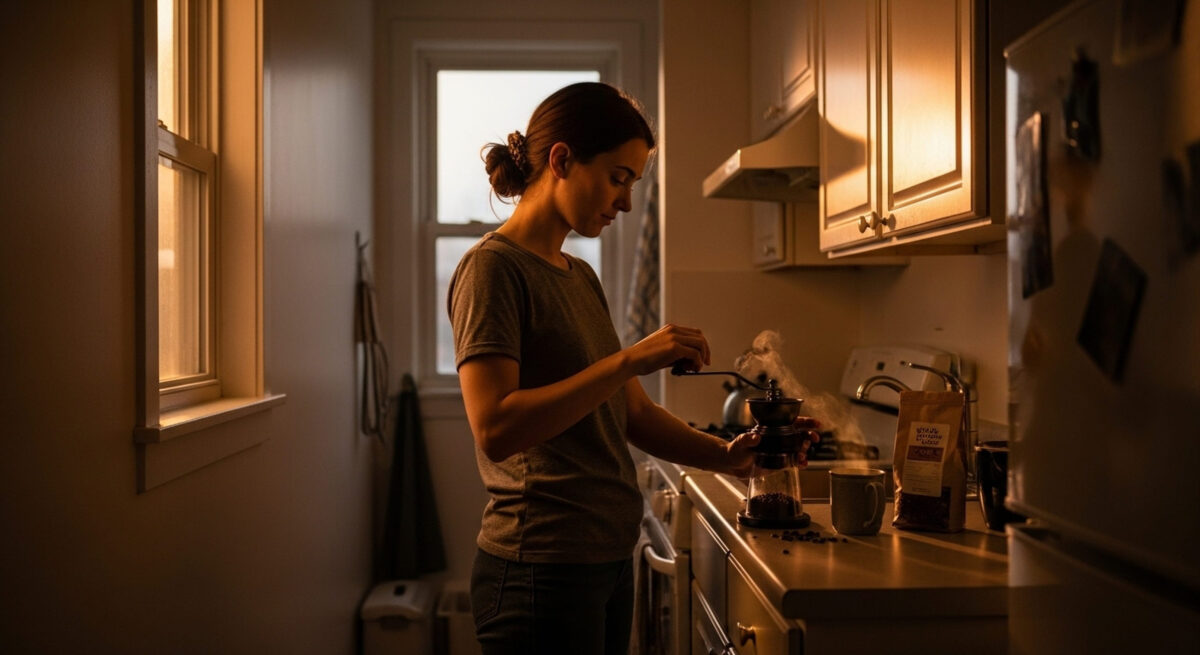
The idea begins with a familiar situation: a busy morning gets harder when nothing simple is available to eat. In Stevens’ example, the lack of an easy breakfast option created a small but frustrating problem. Rather than accept another rushed morning, she decided to prepare something ahead of time to make the next day better.
She made a tomato-cheddar strata with bacon, a baked dish she could assemble the night before and cook the next morning. The dish included sourdough bread, eggs, cream, tomatoes, bacon, cheddar cheese, roasted red peppers, onions, and seasonings.
The goal wasn’t to create a strict meal plan or achieve perfect organization. Instead, it was about leaving something enjoyable for her future self.
The Difference Between Meal Prep and Self-Care
Traditional meal preparation often focuses on planning, consistency, and efficiency. People may spend hours cooking several meals, dividing food into containers, and preparing identical portions for the days ahead.
While this system can be helpful, it can also become another task on an already long list of responsibilities. The process may begin to feel less like support and more like another obligation.
The idea of making “one nice thing” offers a different perspective. Instead of asking, “How can I prepare everything for the entire week?” ask, “What would make me happy to discover tomorrow?”
That small change turns preparation into an act of care, not another productivity goal.
Simple Things That Make Everyday Life Better
A small preparation does not need to be complicated. Sometimes the simplest actions create the greatest sense of comfort.
One example is making cold-brewed tea by preparing it the night before and leaving it in the refrigerator. The process requires little effort, but having a refreshing drink ready the next day can make an ordinary moment feel more enjoyable.
Another example is preparing a dip or dressing that makes simple foods more appealing. A homemade sauce can change the experience of eating vegetables or other everyday foods without requiring a complicated recipe.
The same idea applies to soups. A pot of soup can provide several meals while allowing flavors to develop over time. Instead of creating a strict schedule of identical meals, the focus is on making something comforting and useful.
Finding Joy in the Preparation Process
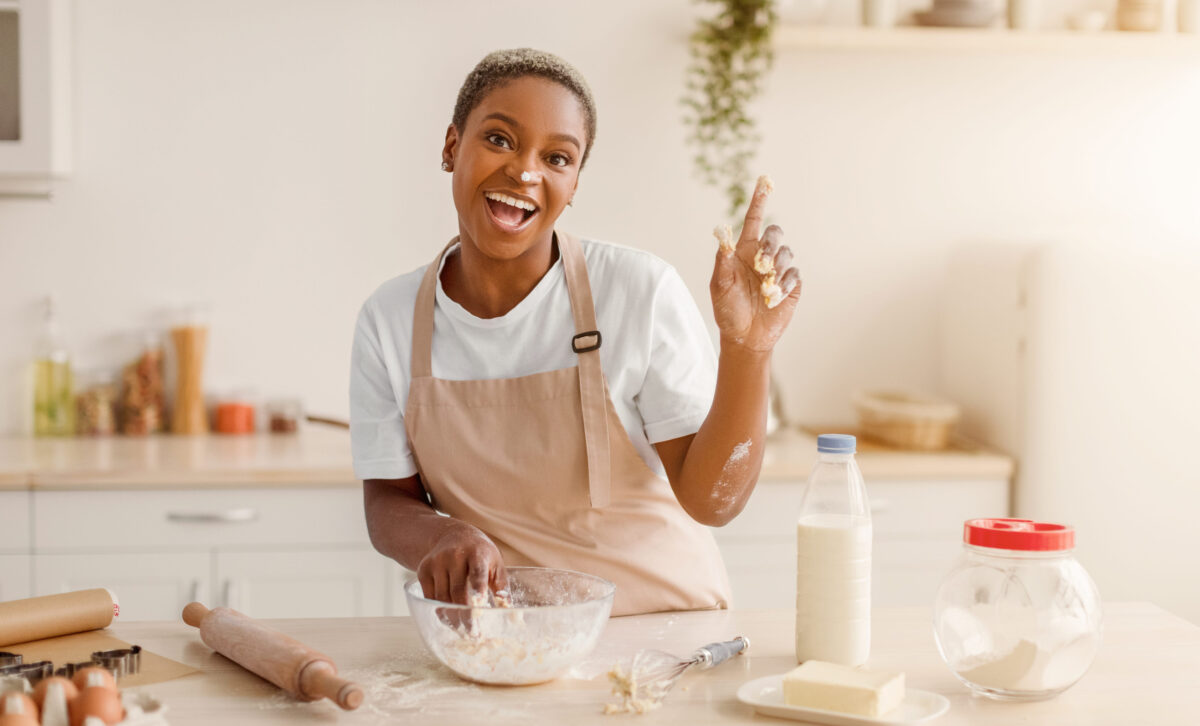
Preparation does not always have to feel like work. Even simple kitchen tasks can become enjoyable when you approach them differently.
Chopping vegetables while listening to a podcast, for example, can transform a routine task into a relaxing activity. The goal is not simply to finish a chore, but to create a moment that feels pleasant.
Some foods naturally fit this approach because they improve with time. Dishes such as chili, curry, baked pasta, and strata often develop deeper flavors after resting. These meals let you put in effort once and enjoy the results later.
Preparation Without Perfection
This approach doesn’t mean meal prepping is unnecessary or wrong. Many people benefit from detailed planning and advance cooking. The difference is that preparation does not need to become a large project.
A single thoughtful action can provide comfort without creating additional pressure. Making a favorite breakfast, preparing a drink, or cooking a dish to enjoy later can be enough to make a busy day feel easier.
The value comes from the intention behind the action. It reminds us that preparation can express care, not just save time.
A Small Gift to Your Future Self
The tomato-cheddar strata represents this philosophy. I didn’t make it because I needed to control every detail of the week. I made it because a future morning would be better with something homemade waiting in the kitchen.
The reward wasn’t just having food available. It was also the feeling of knowing I’d invested a little effort to make life easier.
In a culture that often celebrates productivity and constant improvement, doing one nice thing offers a gentler alternative. Preparation does not always mean managing every part of life. Sometimes it means taking a few minutes today to make tomorrow a little better.
The best kind of preparation may not be a complete plan for the week. Sometimes it is just one small kindness waiting for you when you need it most.