Yardbird Files for Chapter 11 as Restaurant Brand Works Through Debt and Expansion Challenges
Yardbird has filed for Chapter 11 protection as the dining brand works to address legacy debt, strengthen its balance sheet, and consider a possible sale.
The filing highlights how debt-funded expansion, pandemic-era disruption, and uneven restaurant performance can create financial challenges for an established restaurant brand. Yardbird’s situation shows how a recognized dining company can reach a point where bankruptcy protection becomes part of the process for addressing financial concerns and planning for the future.
For everyday readers who follow food and restaurant news, the filing offers a closer look at the business side of dining. Restaurants are often known through their menus, locations, and customer experiences, but behind those experiences are financial decisions, growth plans, and operating challenges that can shape a company’s direction.
Why Yardbird’s Filing Matters to Local Food Communities
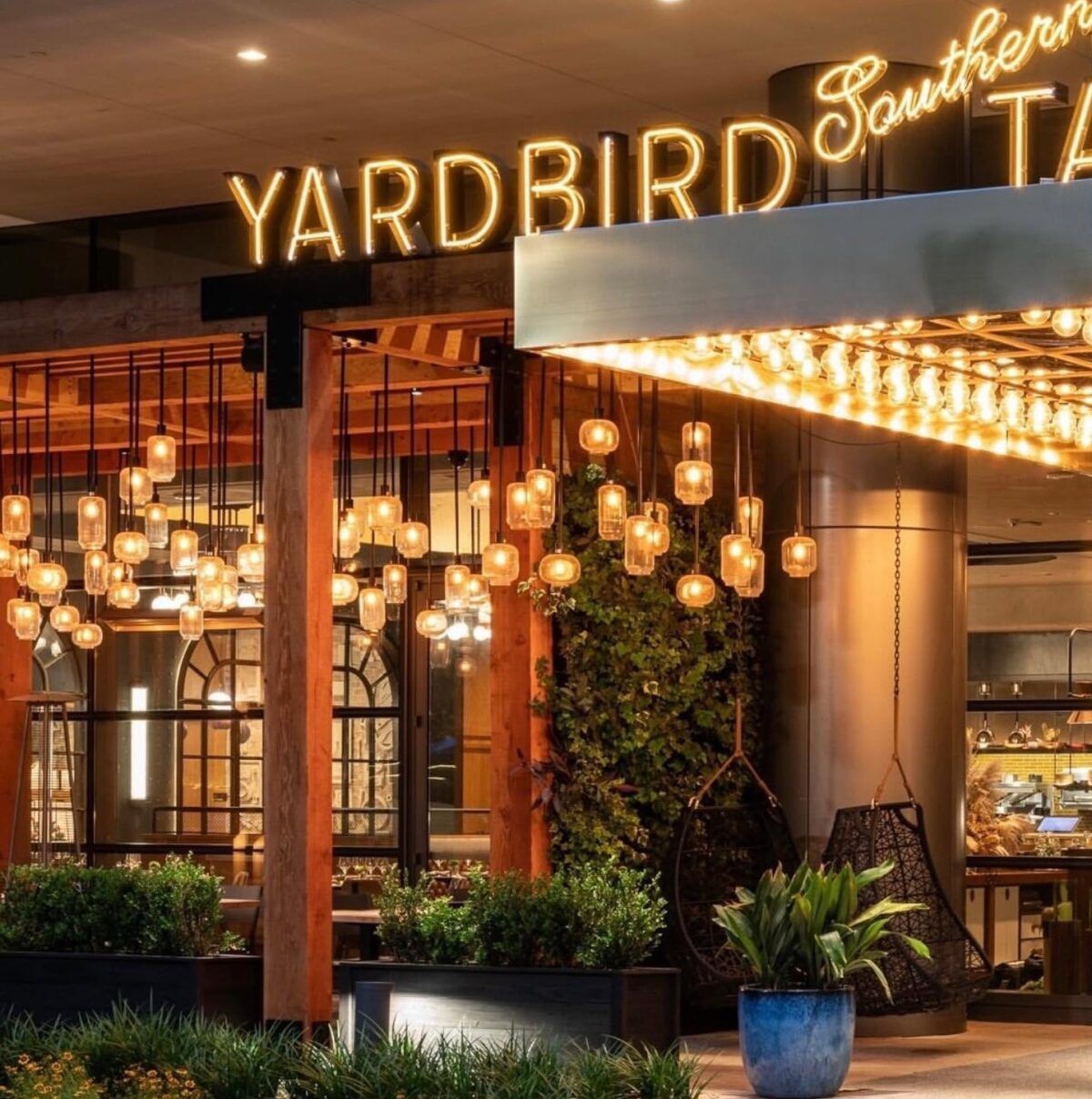
Restaurant changes can attract attention because dining brands often become part of the communities they serve. When an established restaurant company enters Chapter 11, readers may wonder what the process means for the brand and what could happen next.
Yardbird’s filing reflects several challenges identified in the company’s bankruptcy materials and industry reporting. The brief notes that debt-funded expansion, pandemic-era disruption, and uneven restaurant performance contributed to the company’s current situation.
The filing shows the pressures restaurant companies can face while managing growth. Expansion can strengthen a brand, but it can also require financial commitments that affect a company’s ability to respond when conditions change.
For local food communities, news about a restaurant company’s financial situation can provide insight into the factors that influence the businesses people see and visit. Yardbird’s Chapter 11 filing highlights the financial side of running a restaurant brand and the challenges of maintaining performance over time.
The Factors Connected to Yardbird’s Chapter 11 Filing
According to the verified information in the company’s Chapter 11 case materials and industry reporting, Yardbird filed for bankruptcy protection as part of efforts to address legacy debt and strengthen its balance sheet.
A Yardbird spokesperson said in a statement reported by TheStreet and Restaurant Dive: “Yardbird has filed for Chapter 11 protection to address legacy debt and strengthen its balance sheet.”
The company’s filing is focused on addressing legacy debt through the Chapter 11 process. The brief identifies debt-funded expansion as one factor behind the brand’s financial challenges.
Restaurant expansion can require significant resources, and businesses often need to manage the financial responsibilities that come with growing a brand. In Yardbird’s case, the filing reflects how expansion plans can become part of a larger financial picture when combined with other business pressures.
The brief also identifies pandemic-era disruption as a factor connected to Yardbird’s situation. The disruption affected restaurant businesses and created challenges that became part of the company’s circumstances leading to its Chapter 11 filing.
Another factor identified in the brief is uneven restaurant performance. A restaurant brand may perform differently across locations, and those differences can affect a company’s overall financial position.
Together, these factors provide context for why Yardbird entered Chapter 11 protection and why the company is now working through a process focused on addressing its financial challenges.
What Chapter 11 Means for Yardbird’s Next Steps
Chapter 11 protection provides a legal process for a company to address financial obligations while working toward a path forward. For Yardbird, the process is connected to efforts to address legacy debt and strengthen its balance sheet.
The company’s potential sale is also part of the future possibilities identified in the brief. As the Chapter 11 process continues, the company’s next steps will depend on how the case develops and what outcomes emerge.
For readers interested in restaurant news, the coming stages of the process may provide more information about the brand’s direction. Official case materials and company updates will provide details as they become available.
The filing does not represent the end of Yardbird’s story. Instead, it marks a new stage as the company works through financial issues and considers future options.
Following the Future of the Brand
Yardbird’s Chapter 11 filing highlights several challenges that can affect restaurant companies. The brief identifies debt-funded expansion, pandemic-era disruption, and uneven restaurant performance.
The situation also shows how restaurant businesses must manage multiple parts of their operations at once. Growth, financial obligations, and performance all shape the direction of a dining brand.
For everyday readers, following the case offers a chance to understand how a restaurant company responds when financial challenges become significant enough to require Chapter 11 protection. The process can clarify how the company plans to address its current situation.
Yardbird’s next steps will involve working through Chapter 11, addressing legacy debt, strengthening its balance sheet, and considering a potential sale.
Readers who want to follow restaurant developments can track official updates related to Yardbird’s Chapter 11 case as the company moves into this next phase.