Your Bar Cart Is Missing These 4 Global Liqueurs That Change Everything
Home bars are evolving. In the past, a good bar cart usually meant having vodka for mixers, whiskey for classics, rum for tropical drinks, and maybe some orange liqueur for special occasions. Today, more people are exploring new options, choosing liqueurs with Mexican chiles, Italian citrus, French flowers, and other ingredients tied to long-standing culinary traditions.
This shift has created a new cocktail culture, where one bottle can take you somewhere new without leaving your kitchen. A spicy Mexican chile liqueur, a floral Italian aperitif, or a sweet French elderflower spirit can turn a simple drink into something more personal and creative. People now want drinks with history, cultural meaning, and a sense of discovery, not just the strongest or most familiar flavors.
The Bar Cart Is Becoming a Passport to Global Flavors
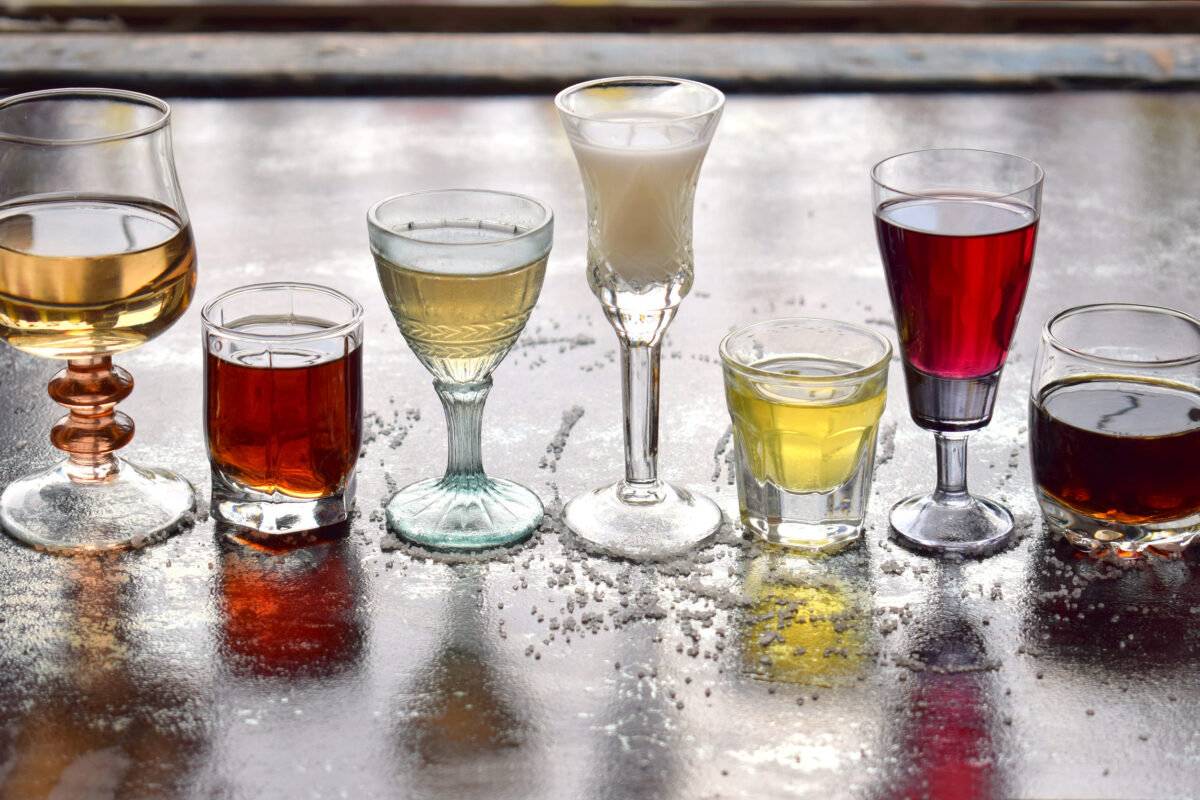
Cocktail culture is no longer just about strong, dark, spirit-heavy drinks. In the last ten years, lighter cocktails, aperitivo-style drinks, botanical flavors, tropical ingredients, and creative mixes have changed what people expect from cocktails. Liqueurs have become more popular because they let home bartenders try new flavors without needing lots of different bottles.
Just a splash of these liqueurs can add smoky chile heat, bright citrus, floral scents, or sweet roasted notes to a basic drink. Industry data shows more people are interested in these flavors. According to The Spirits Business, global liqueur sales grew from 2020 to 2024, thanks in part to demand for fruit-forward, botanical, citrus, and international flavors. For home bartenders, the draw is clear: one unique bottle can change a cocktail completely.
1. Ancho Reyes Original: A Smoky Taste of Puebla, Mexico
Ancho Reyes Original stands out for its bold character, inspired by Puebla, Mexico’s tradition of homemade chile liqueurs called menjurjes. The current recipe is based on a 1920s family formula and features ancho chile, which is the dried version of the poblano pepper. Ancho Reyes is special because it offers more than just heat.
Its flavor blends sweetness, smokiness, dried chile notes, and gentle spice, adding warmth and depth without overpowering drinks. The company says it harvests,hand-cuts them, and dries them to build the final taste. For cocktail fans, it’s a flexible choice. It can add smokiness to a Margarita, warmth to an Old Fashioned, or spice to a tequila highball. Its popularity shows a bigger trend: using ingredients with real cultural roots, not just following global trends.
2. Nixta Licor de Elote: Mexico’s Corn Tradition in a Glass
Corn is a staple crop worldwide, but it’s rare to see it as the main ingredient in a liqueur. Nixta Licor de Elote draws on Mexico’s strong connection to corn, using cacahuazintle corn, a type often found in traditional Mexican dishes. The brand emphasizes corn’s long history in Mexico, where maize has been grown for thousands of years and is still key to many foods. Its flavor is different from most sweet liqueurs.
Nixta doesn’t taste like candy. Instead, it has creamy, toasted, and slightly earthy flavors that might remind you of roasted corn, sweet masa, or corn pudding. It pairs well with tequila, mezcal, whiskey, and aged rum, adding sweetness and a unique grain flavor. For a simple drink, just mix it with tequila and an orange peel to let the corn flavor stand out. Nixta shows a new trend: turning familiar foods into surprising cocktail experiences.
3. Italicus Rosolio di Bergamotto: A Taste of Italian Aperitivo Culture
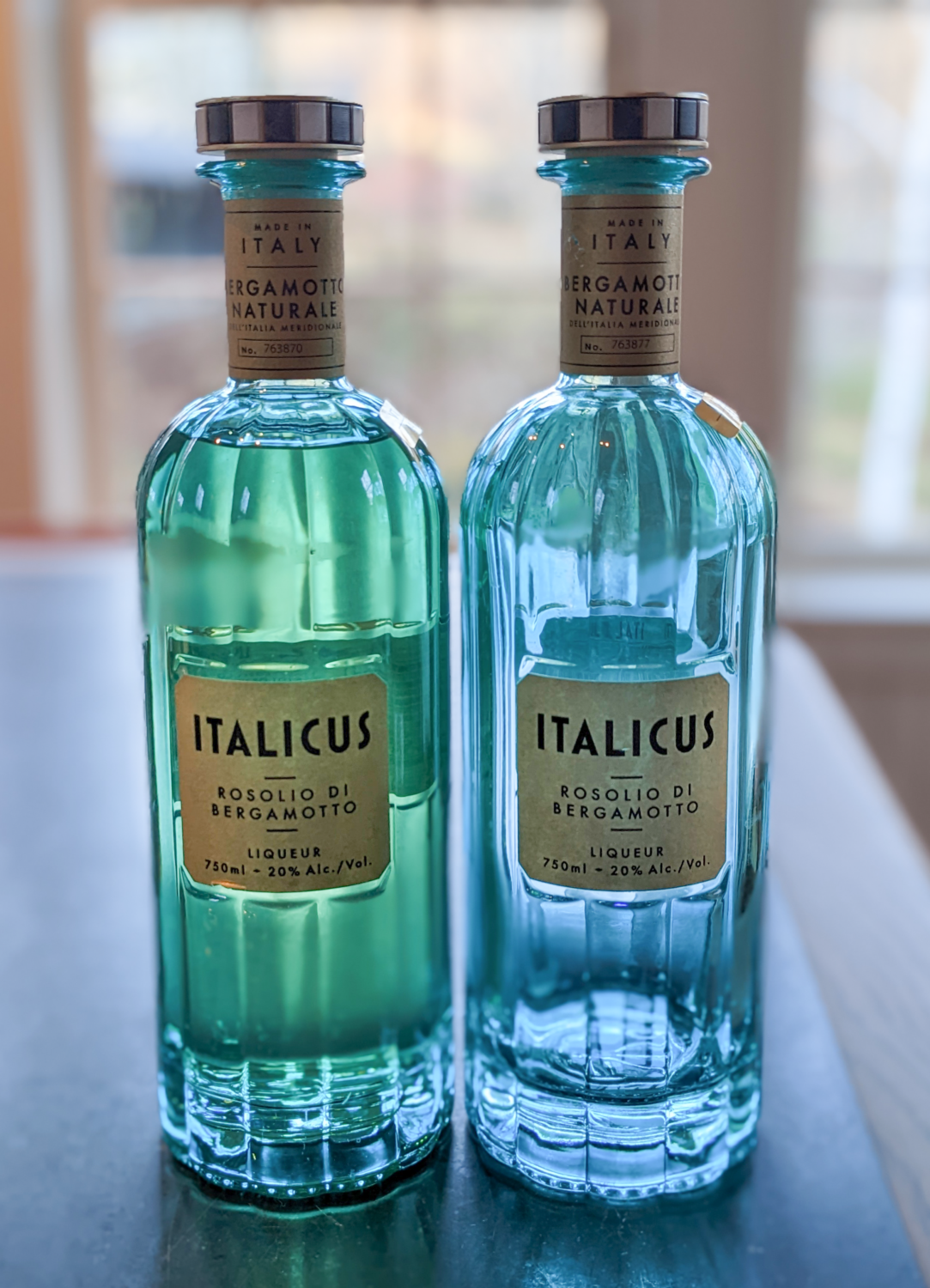
Italy’s cocktail traditions are often tied to relaxed evenings, small bites, and drinks made for conversation. Italicus Rosolio di Bergamotto brings that spirit to the modern bar cart. Italian cocktail traditions are known for relaxed evenings, small snacks, and drinks meant for conversation. Italicus Rosolio di Bergamotto brings this feeling to today’s home bar, using bergamot, the citrus fruit known from Earl Grey tea, as its main flavor. It balances sweetness with herbal notes, creating a drink that feels bright, elegant, and refreshing.
It’s especially popular in spritz-style cocktails, mixed with sparkling wine and soda for a lighter option. The success of drinks like Italicus shows that aperitivo culture is still going strong, as people look for more relaxed and social ways to enjoy drinks, not just traditional cocktails.
4. St-Germain: The French Elderflower Classic
St-Germain helped introduce many American drinkers to elderflower in cocktails. When St-Germain launched in 2007, it introduced many Americans to elderflower in cocktails. Made from hand-picked elderflower blossoms gathered at their seasonal peak, this French liqueur has a delicate mix of floral, fruity, and lightly sweet flavors. People often compare its taste to pear, peach, grapefruit, and hints of tropical fruit.m sparkling wine, brighten a gin cocktail, or add a floral touch to a simple vodka drink. It has become a favorite among home entertainers because it creates a sophisticated cocktail without requiring advanced bartending skills.
The Future of the Home Cocktail
Global liqueurs are changing how we make drinks at home by turning flavor into a kind of travel. A smoky chile cocktail can bring a taste of Puebla, while a bergamot spritz can add Italian aperitivo style to a backyard party. A corn liqueur can share Mexico’s farming history, and a floral elderflower drink can give a French touch to any celebration. The future of home bartending might not be about fancy recipes or pricey tools, but about curiosity. Often, the best cocktails start with one bottle and the story it carries.