The Warning the FBI Failed to Follow: Maria Farmer’s 29-Year Fight for Answers
One telephone call rarely carries the weight of history. Maria Farmer’s 1996 warning about Jeffrey Epstein may be one of the exceptions.
For years, Farmer said she had alerted federal authorities long before Epstein’s crimes became international news. Then, in December 2025, the government released an FBI record dated September 3, 1996. The document did not prove every allegation Farmer has made, but it confirmed that authorities received a complaint involving Epstein, underage girls, missing photographs, and threats.
Farmer has since taken the United States government to court, arguing that federal authorities failed to investigate properly and protect her and other potential victims.
A Warning Recorded Before Epstein Became Infamous
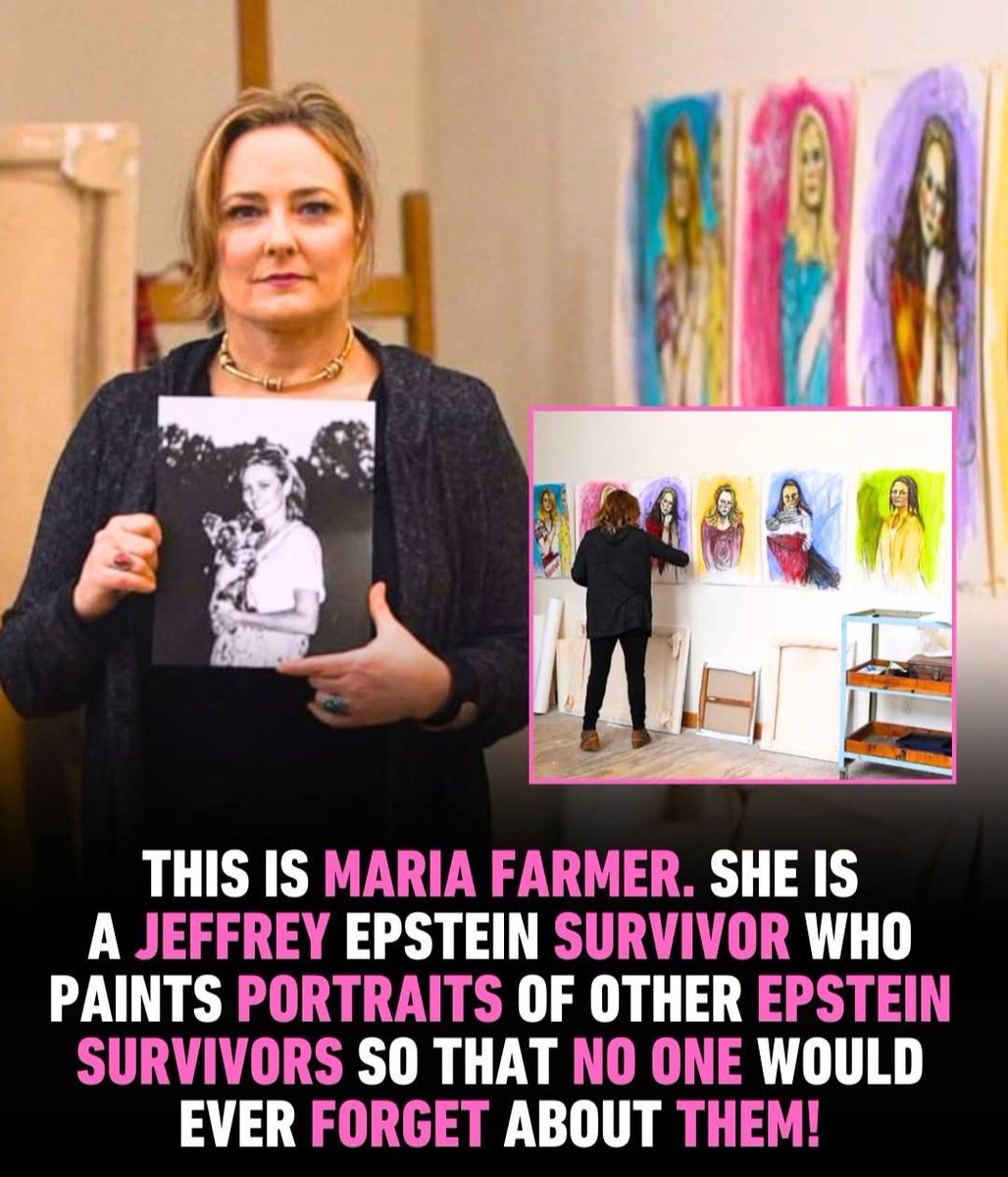
Farmer was a young artist when she entered Epstein’s circle during the mid-1990s. She has alleged in sworn court filings that Epstein and Ghislaine Maxwell sexually assaulted her while she was working on an art project in Ohio in 1996. She has also said her teenage sister, Annie Farmer, was abused during a separate visit to Epstein’s ranch in New Mexico.
After returning to New York, Maria Farmer contacted local police and the FBI. According to her federal lawsuit and later interviews, she reported her alleged assault and warned agents about Epstein’s interest in young girls. Farmer said an FBI agent ended the call before she finished speaking and that investigators failed to conduct a meaningful inquiry.
For decades, the government’s handling of that report remained largely out of public view. That changed when an FBI entry from September 3, 1996, was released among Epstein-related records.
The handwritten record described a professional artist who said Epstein had taken photographs and negatives involving her sisters, who were 12 and 16. It also recorded allegations that Epstein requested photographs of young girls at swimming pools and threatened to burn the complainant’s house if she spoke.
The complainant’s name was redacted. However, Farmer’s attorney, Jennifer Freeman, confirmed that the document recorded her client’s report. Members of Congress later publicly identified it as Farmer’s complaint.
The Years That Followed

The date matters because Farmer’s report arrived almost nine years before Palm Beach police began the investigation that eventually exposed Epstein’s abuse of underage girls.
Epstein pleaded guilty in Florida in 2008 to charges that included soliciting a minor for prostitution. He served about 13 months under a controversial arrangement that allowed extensive work release. Federal prosecutors arrested him again in July 2019 on sex-trafficking charges involving minors. He died in a Manhattan jail the following month while awaiting trial. His death was ruled a suicide.
Maxwell was convicted in 2021 on federal charges connected to recruiting and grooming girls for Epstein. She was sentenced to 20 years in prison in 2022.
Farmer’s complaint does not establish that Epstein would have been prosecuted successfully in 1996. Criminal investigations require evidence, corroborating witnesses, and legal review.
However, the released record shows that federal authorities received a detailed warning years before Epstein’s conduct became a national scandal. The central question is not whether one telephone call guaranteed justice. It is whether that call should have triggered interviews, evidence preservation, and protection for the complainant.
Twenty-Nine Years Later, a Federal Lawsuit
On May 29, 2025, Farmer filed a lawsuit against the United States in federal court in Washington, D.C. The case was brought under the Federal Tort Claims Act, which permits certain claims against the government for alleged negligence by federal employees.
Farmer alleges that the FBI, the Justice Department, and federal prosecutors failed to respond properly to reports concerning Epstein and Maxwell. She seeks to hold the government responsible for emotional distress and other harm she says resulted from its alleged inaction.
Freeman summarized the lawsuit’s central argument after it was filed.
“Had the federal government done their job, hundreds of victims would have been spared,” the attorney told NBC News.
That statement represents Farmer’s legal position. It is not a judicial finding. The United States has not been found liable, and Reuters described Farmer’s case as an ongoing lawsuit in June 2026. The proceedings have also included questions about whether Washington, D.C., or New York is the proper venue.
A Paper Trail That Changed the Debate
The released FBI document gave Farmer something she had sought for years: official evidence showing that her warning reached federal authorities.
After the record became public, House Oversight Committee Democrats asked the Justice Department’s inspector general to investigate why the FBI did not fully examine the allegations in 1996. They also requested an examination of why later Justice Department reviews apparently failed to address the early complaint.
The FBI did not publicly comment when reporters asked about the newly released record. The document cannot explain who reviewed the complaint, why it went no further or what investigative steps were considered.
Those unanswered questions now sit at the center of Farmer’s lawsuit and renewed demands for government accountability.
One call may not have guaranteed the end of Epstein’s crimes. But the government’s own record shows that an opportunity to investigate arrived far earlier than the American public once knew.