The 15 Most Disliked American Foods, According to the Locals Who Actually Eat Them
Americans have strong opinions about food. For every beloved dish, there is often another that makes diners hesitate because of its smell, flavor, texture, or appearance. This list is not based on one person’s idea of what belongs on a “worst” foods list.
Instead, it reflects foods that received substantial negative reactions in national polling of American adults. The foods below are not objectively bad, and many have devoted fans. They simply represent dishes that a notable share of surveyed Americans said they disliked or hated.
The 2025 YouGov survey of 2,239 U.S. adult citizens found that reactions varied widely, with many foods still having more people who liked or loved them than disliked or hated them. A separate Harris Poll/Instacart study also found that smell, strong flavor, and texture were major reasons certain foods became polarizing.
Oysters
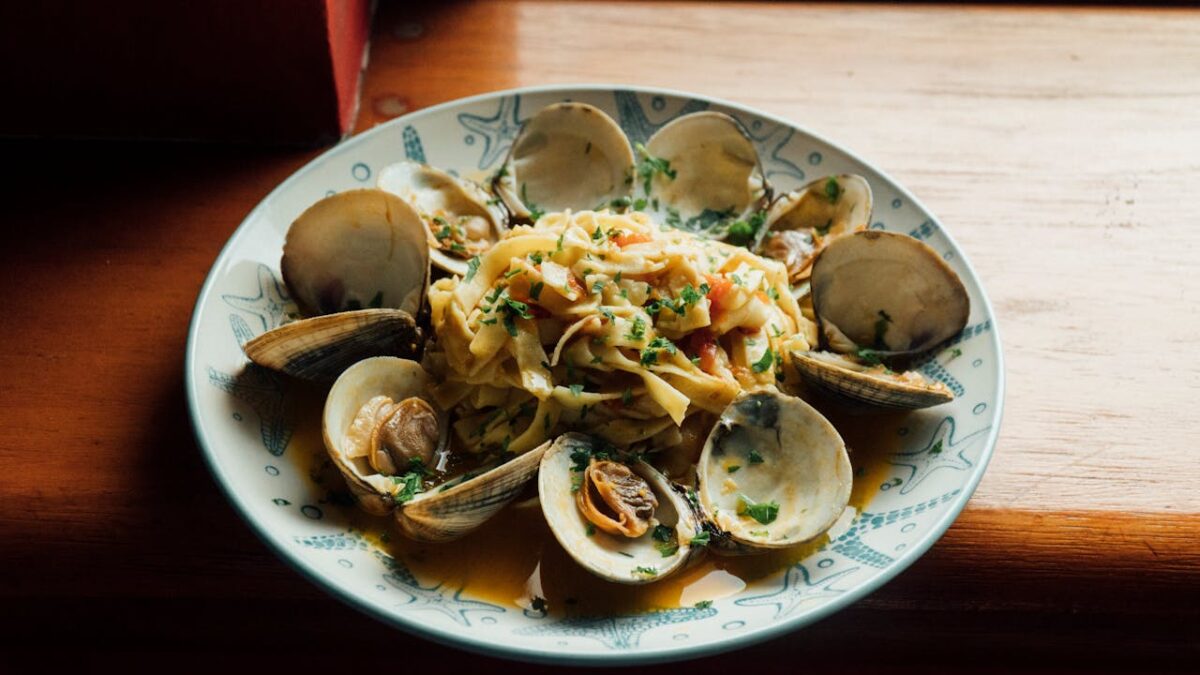
Oysters are bivalve shellfish served in many ways, including raw, grilled, fried, baked, or stewed preparations. In YouGov’s survey, 42% of respondents disliked or hated oysters. The Harris Poll/Instacart research also found oysters among foods with high levels of dislike. Their slippery texture and ocean-forward flavor are key reasons some diners avoid them.
Blue Cheese
Blue cheese is made with cultures that create blue or green veining and a sharp, tangy flavor. YouGov found that 39% of surveyed Americans disliked or hated it. The Harris Poll/Instacart research also identified blue cheese as a food Americans often love to dislike. Its strong aroma and assertive taste are exactly what attract some fans and push others away.
Sushi
Sushi is a broad category of Japanese dishes built around vinegared rice and ingredients that can include raw fish, cooked seafood, vegetables, or egg. YouGov found that 39% of respondents disliked or hated sushi. Because sushi includes many different styles, reactions can depend on ingredients, textures, and familiarity rather than one single characteristic.
Anchovies
Small, oily fish often packed in tins, anchovies are used in dishes such as pizza, pasta, Caesar dressing, and sauces. In YouGov’s July 2025 survey methodology and full results, 56% of respondents said they disliked or hated anchovies, the highest broad-disapproval figure in the ranking. Their salty taste, strong aroma, and intense fish flavor make them a memorable dividing line for diners.
Liver
Liver is an organ meat from animals such as beef, chicken, pork, or calf and may be served in dishes ranging from pan-fried preparations to pâté. YouGov found that 54% of surveyed Americans disliked or hated liver, while 40% said they hated it outright. For many diners, its distinctive flavor and texture are the main reasons for the strong reaction.
Sardines
Sardines are small oily fish commonly sold canned in oil, water, tomato sauce, or mustard. According to YouGov, 52% of surveyed Americans disliked or hated sardines. Like anchovies, they fall into the category of strongly flavored seafood that can inspire loyal fans while turning away people who find their oily character and bold taste overwhelming.
Tofu
Tofu, made from soybean curd, appears in many dishes including stir-fries, soups, scrambles, bowls, and plant-based cooking. YouGov found that 46% of respondents disliked or hated tofu. For some diners, the challenge comes from expectations around texture and flavor. Soft or spongy textures can be difficult for people who prefer firmer foods or stronger flavors.
Squid
Squid is a seafood commonly served fried as calamari, grilled, braised, or included in other seafood dishes. In the YouGov survey, 44% of Americans surveyed said they disliked or hated squid. Texture is often the deciding factor, as some diners are put off by a chewy consistency, especially when the preparation does not match their preferences.
Related: 5 Most Hated Vegetables in America, And Why We Can’t Stop Talking About Them
Caviar
Caviar is salt-cured fish roe, traditionally associated with sturgeon but also produced from other fish. YouGov reported that 43% of respondents disliked or hated caviar, while more than one-quarter were unsure about it. Its briny flavor and unusual texture can be unfamiliar, showing that a luxury reputation does not automatically make a food universally appealing
Chitterlings (Chitlins)
Chitterlings, also called chitlins, are cleaned and cooked pig intestines traditionally associated with Southern and soul-food cooking. YouGov found that 38% of respondents disliked or hated them, while 36% were unsure. The preparation aroma and distinctive texture can be challenging for unfamiliar diners, but the dish remains connected to important culinary traditions.
Beets
Beets are root vegetables served in forms such as roasted, pickled, boiled, raw, or in salads. In the YouGov survey, 35% of respondents disliked or hated beets. Their earthy, mineral-forward taste is the feature that often divides diners, with some enjoying their distinctive flavor while others find it difficult to appreciate.
Kale
Kale is a leafy green used in salads, sautés, soups, chips, and smoothies. YouGov found that 31% of respondents disliked or hated kale, and it also had the highest share of neutral reactions in the survey at 31%. Some diners object to raw kale because of its tougher texture or bitter taste.
Okra
Okra is a green pod used in Southern, Creole, African, Caribbean, Middle Eastern, and South Asian cooking. It appeared among foods Americans “love to hate” in the Harris Poll/Instacart findings. The slippery texture associated with okra is a common criticism, although preparation methods can change how diners experience it.
Related: 11 foods that many adults still absolutely refuse to eat
Black Licorice
Black licorice is a dark confection flavored with licorice root and often anise. The Harris Poll/Instacart survey found that 45% of Americans disliked black licorice, placing it among the foods with the strongest negative reactions in that research. Its herbal, anise-heavy flavor is memorable for both its fans and its critics.
Brussels Sprouts
Brussels sprouts are small cabbage-family vegetables often roasted, sautéed, shredded, or steamed. They appeared among foods frequently disliked by Americans in the Harris Poll/Instacart research. Bitterness is a common complaint, and some diners associate them with older preparations while others enjoy newer ways of serving them.
Food preferences are deeply personal, and a dish that creates a strong negative reaction for one diner may be a favorite for another. The same qualities that make a food challenging, a powerful flavor, unusual texture, or distinctive aroma, can also be what makes it memorable to the people who love it.