This Tuna Pasta Turns One Humble Can Into a Dinner You’d Happily Serve Guests
A can of tuna has spent years as an emergency lunch ingredient, destined for a sandwich, a mayonnaise-heavy salad, or a casserole that belongs in somebody’s family recipe box. But add olive oil, garlic, tomatoes, pasta, and a few bright finishing touches, and it becomes a fast, satisfying dinner with genuine Italian personality.
The key is to stop treating tuna like something you need to disguise. In pasta al tonno, fold the tuna gently into the tomato sauce at the very end, where it stays in tender flakes and adds savory depth rather than turning into a dry, gray afterthought.
The Dinner Is Pasta al Tonno
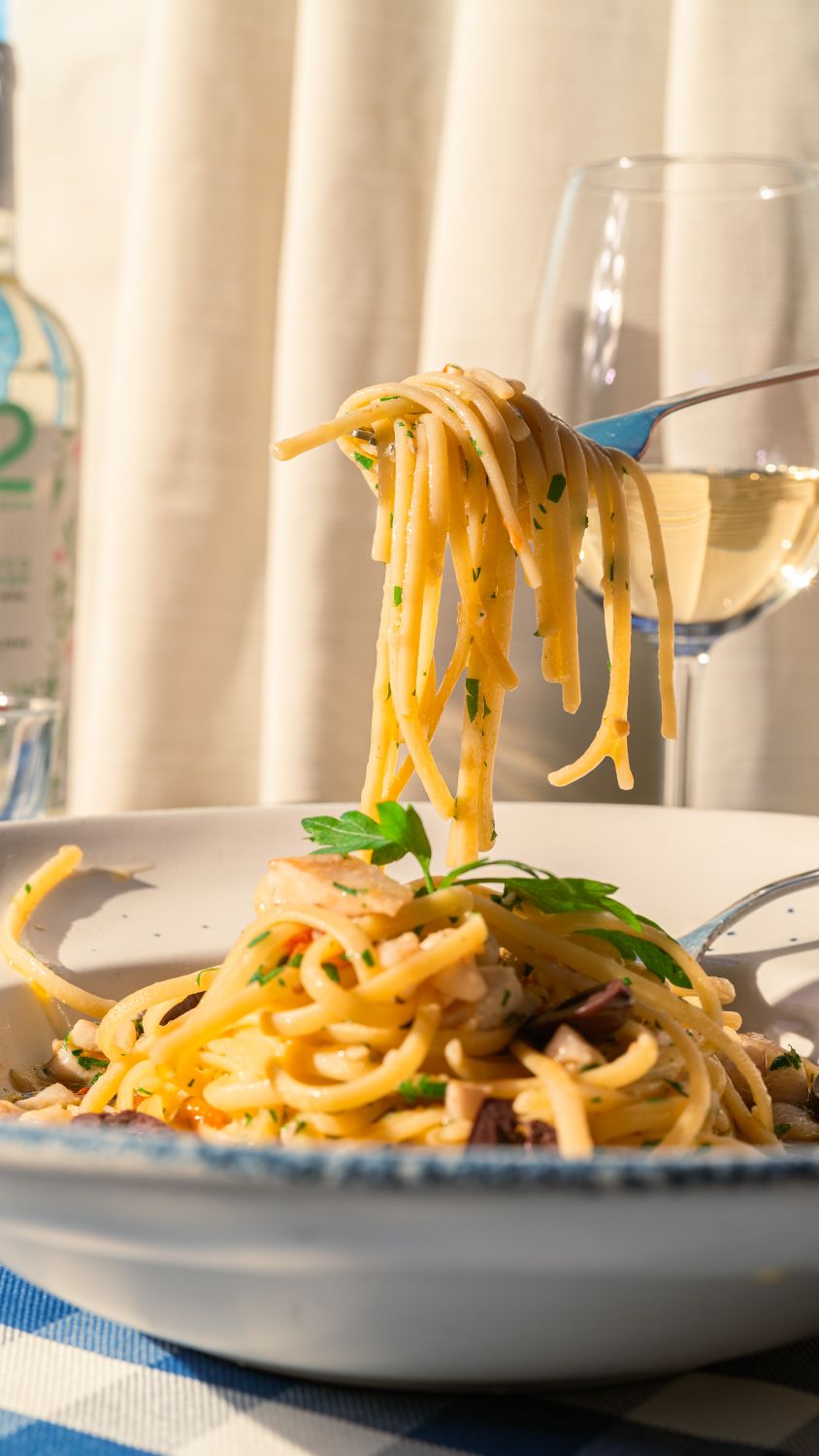
Pasta al tonno is exactly what its name promises: pasta with tuna. But it is not simply noodles with a can dumped on top. The Italian pantry classic is built around a few ingredients that know how to make an entrance, including olive oil, garlic, tomato, chile, tuna, pasta water, and herbs.
Serious Eats culinary editor Sasha Marx calls pasta al tonno “easy and fast” and explains that its appeal comes partly from its adaptability. The only real nonnegotiables are canned tuna and dried pasta; from there, cooks can make it with or without tomatoes, add capers or olives, use parsley or basil, and add anchovy or chile for a bolder sauce.
Marx’s Roman-style version starts by gently browning lightly crushed whole garlic cloves in olive oil, then removing them before building the sauce. The move adds garlic aroma without making it the loudest flavor in the skillet. Add the dried chile next, then the hand-crushed whole peeled tomatoes, and simmer while the pasta cooks.
That framework helps explain why this dish tastes more polished than a standard pantry meal. Every ingredient has a job. The olive oil carries flavor, garlic perfumes the sauce, tomatoes provide brightness, chile adds warmth, pasta water helps the sauce coat the noodles, and tuna contributes savory richness. It is a short list, but it is doing a surprising amount of work.
Use spaghetti or another long pasta if you want something close to the Roman version, though penne, shells, or rigatoni can work just as well. The main point is to choose a pasta that holds the sauce and mixes easily with the tuna flakes. You do not need a fancy shape, a specialty grocery store, or a culinary degree to make this feel like a real dinner.
The One Rule: Don’t Overcook the Tuna
The biggest difference between a great tuna pasta and a sad one is timing. Canned tuna is already cooked, so it does not need a long stay in a bubbling sauce. Cooking it too aggressively can break it down and make it dry, which is exactly how tuna ends up tasting like something you are politely trying to finish.
Marx recommends adding large flakes of tuna right before the pasta transfers to the skillet, along with an optional dash of fish sauce. “Folding the tuna into the sauce at the end ensures that it doesn’t get overworked into a gummy paste,” he writes, keeping the fish distinct and tender.
Bon Appétit makes the same point in its simple tuna pasta guide. “The thing about canned tuna is that it doesn’t need or want to be cooked, otherwise it’ll get dry and tough,” the outlet explains. Its approach places tuna in a heatproof bowl with garlic, lemon zest, lemon juice, olive oil, salt, and pepper, then warms the bowl over the pasta pot before tossing everything together.
That technique is worth remembering even if you use your own ingredients. Gentle heat is enough. You can warm tuna in the residual heat of the sauce, the heat of the pasta, or a bowl placed over simmering water. The goal is to let the tuna absorb the surrounding flavors without cooking it into submission.
If you can choose between water-packed and olive-oil-packed tuna, the latter can be particularly useful in a pasta like this. Food & Wine notes that the oil from oil-packed tuna can add flavor and help the sauce emulsify with pasta water, coating the noodles more effectively. Samin Nosrat’s spicy tuna pasta uses oil-packed tuna in a pantry-based sauce with tomatoes, anchovies, garlic, chiles, and lemon.
That does not mean water-packed tuna cannot make dinner. It absolutely can. Just compensate with a generous pour of good olive oil, because the dish needs enough richness to balance the tomatoes and carry the garlic, chile, and herbs through every bite.
Related: What Food Should You Stock Up on for an Emergency? Start With These Essentials
How to Make It Taste Special
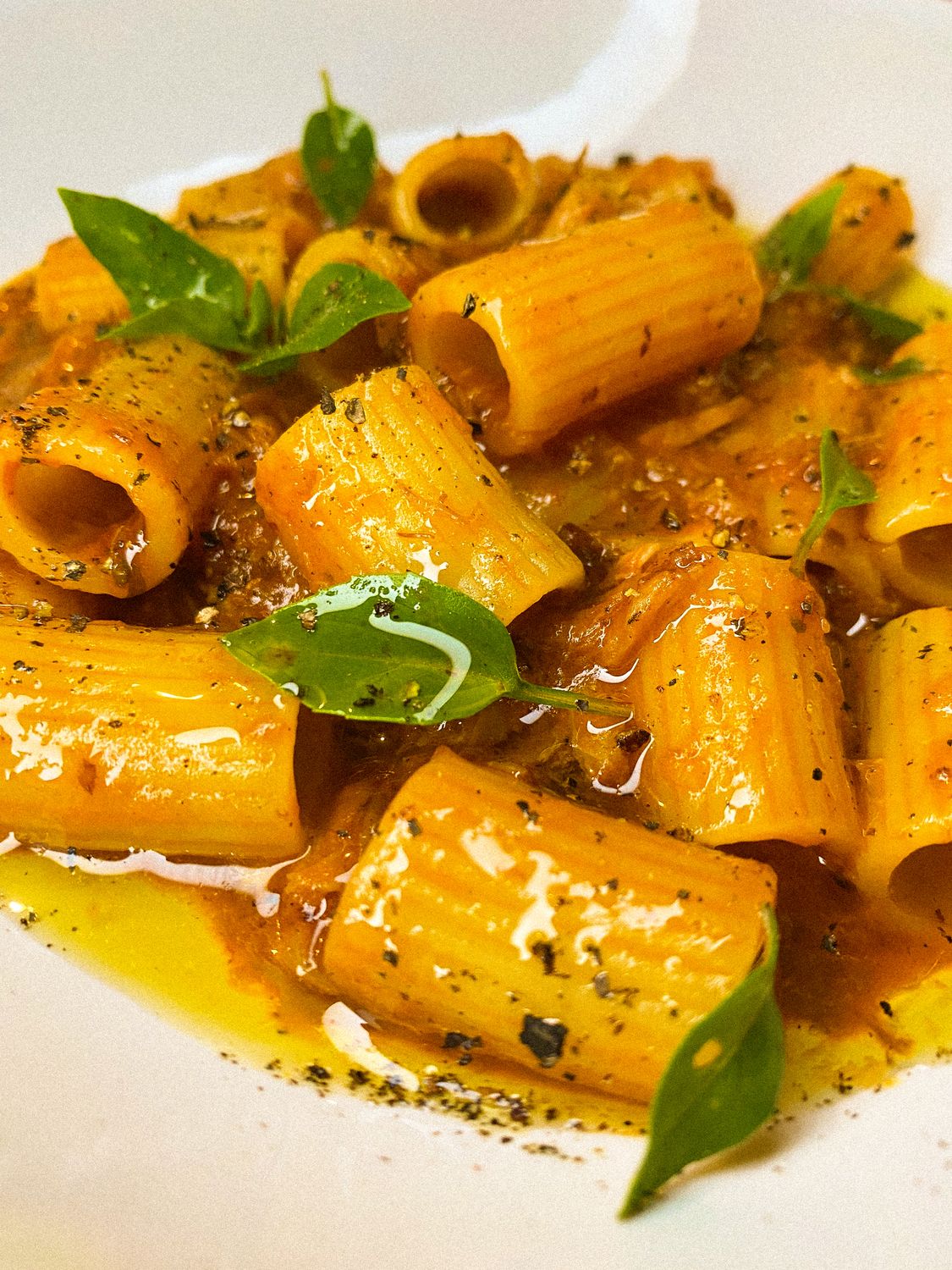
Start a pot of salted water for the pasta. While it comes to a boil, warm olive oil in a large skillet over medium heat and add lightly crushed garlic cloves. Let them turn pale golden and fragrant, then remove them for a softer garlic flavor. Add a pinch of red pepper flakes, followed by crushed canned tomatoes or a few spoonfuls of tomato paste loosened with water.
Let the sauce simmer while the pasta cooks, then pull the pasta out about a minute before it reaches your preferred tenderness. Reserve some pasta water before draining, because that starchy liquid helps the sauce become glossy rather than watery. Add the pasta to the skillet along with a splash of pasta water, then toss until the noodles finish cooking and the sauce clings to them.
At the very end, fold in the tuna in large pieces. Add chopped parsley or basil if you have it, then taste before adding more seasoning. Tuna,especially oil-packed tuna, may already be salty enough. A squeeze of lemon juice or a little grated zest can give the dish the kind of fresh lift that makes people wonder why dinner tastes brighter than expected.
If you want to push the pasta toward a puttanesca-inspired direction, add capers, sliced olives, or a mashed anchovy. Bon Appétit suggests all three as additions, along with sun-dried tomatoes. It also recommends white beans or baby spinach for a heartier bowl, both of which you can toss in without turning the meal into a massive cooking project.
Nosrat’s spicy version offers another option for people who like a little heat. Food & Wine says her recipe pairs tuna with anchovies and Calabrian chiles, then finishes the dish with lemon juice and zest. The outlet notes that crushed red pepper flakes can stand in for Calabrian chiles, so this isn’t an all-or-nothing specialty-ingredient situation.
The Bottom Line: Canned tuna does not need to taste like a last-resort dinner. Treat it gently, build a quick sauce with tomatoes, olive oil, garlic, and pasta water, then fold it in at the end so it stays tender and flavorful. Add lemon, herbs, capers, olives, or chile if you have them, and you have a fast pasta dinner that feels much more intentional than its humble starting point.