7 Foods That Have Quietly Shaped American Courtship for Generations
Long before dating apps and dinner reservations, courtship in America ran almost entirely through food. Not fancy food, either. A shared lunch box, a stretch of warm candy, a two-straw milkshake. These small, ordinary things carried surprising social weight.
Here are seven foods that quietly shaped how generations of Americans got to know each other, long before “let’s grab dinner” became a text message.
The Box Social Lunch
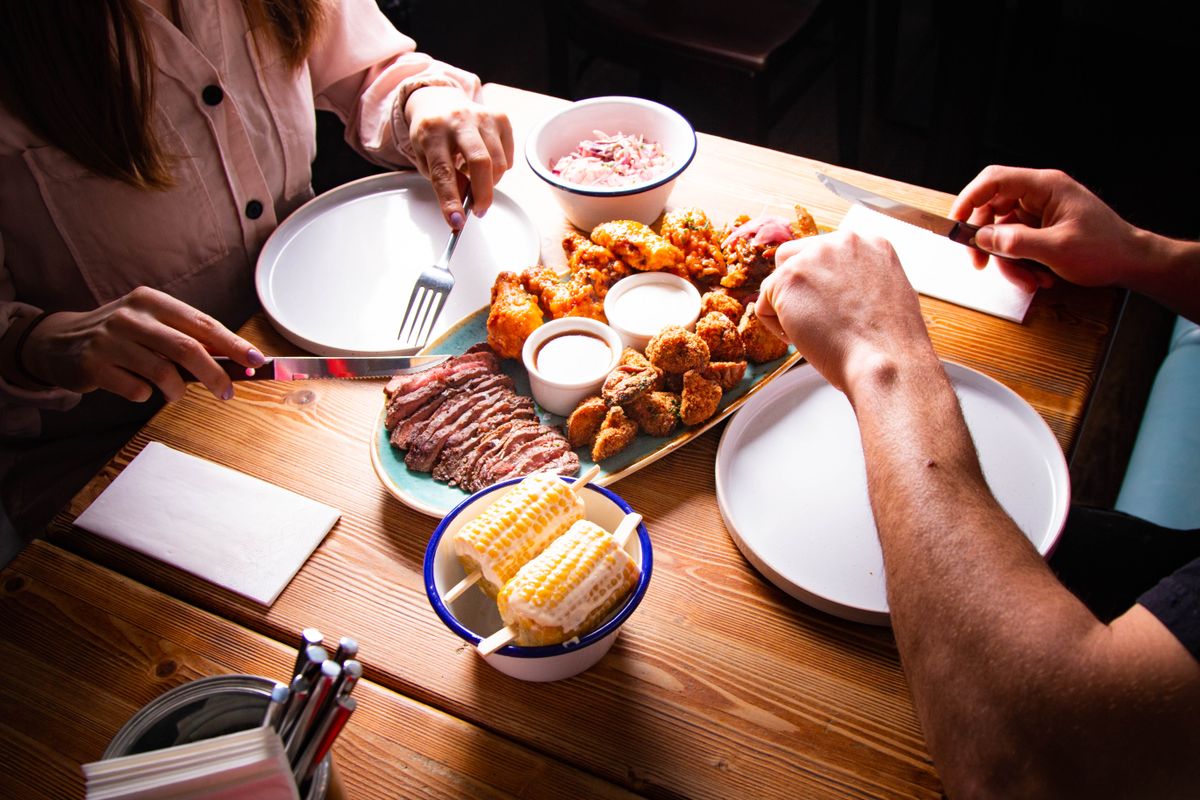
In rural America from the late 1800s through the mid-1900s, unmarried women packed a home-cooked meal for two into a decorated box or basket, then kept their identity secret. At the social, bachelors bid on the boxes, sight unseen, and whoever won got to share the meal with whoever made it. Common favorites tucked inside included cold fried chicken, ham biscuits, pickles, and the occasional dried apple pie. It was equal parts fundraiser, matchmaking event, and public entertainment, and it remains one of the more charming footnotes in American food history.
Related: 7 Unique Ways to Entertain House Guests Without Breaking The Bank
The Picnic
Before school dances and formal dating, courting largely happened in community-organized group settings, and picnics were among the most common. According to an online history exhibit from the Fairfield Museum and History Center in Connecticut, 19th-century courtship “generally took place in settings oriented around family and neighbors, such as picnics, concerts, and fairs.” A picnic gave young couples a socially acceptable reason to slip a little further from the group, basket in hand, without anyone raising an eyebrow.
Clambakes and Oyster Suppers
Seasonal community food events were another major courtship venue in 19th-century New England and beyond. The same Fairfield Museum exhibit notes that, depending on the time of year, courting often unfolded around “clambakes or oyster suppers,” alongside sleighing parties and quilting bees. These were loud, communal, all-ages events, which made them a comfortable, low-pressure place for young people to spend time together.
The Taffy Pull
By the mid-1800s, the taffy pull had become one of the country’s most popular courtship rituals. According to the Oxford Encyclopedia of Food and Drink in America, young people would gather with buttered hands to stretch and fold ropes of hot homemade candy, a process that required a partner. Pulling taffy meant standing close, working in rhythm with someone, and getting sticky together in a setting parents fully approved of. It’s hard to think of a food tradition more literally built around pairing off.
Conversation Hearts
Small printed candy hearts became part of American Valentine’s Day culture starting in 1866, when Daniel Chase, brother of candy manufacturer Oliver Chase, developed a way to press short phrases directly onto the lozenge-style candies his brother’s company was already producing in Massachusetts. The candies, eventually sold as Sweethearts, turned into one of the most recognizable ways Americans exchanged a small, low-stakes romantic gesture, often between people who weren’t quite ready to say much out loud.
The Heart-Shaped Box of Chocolates
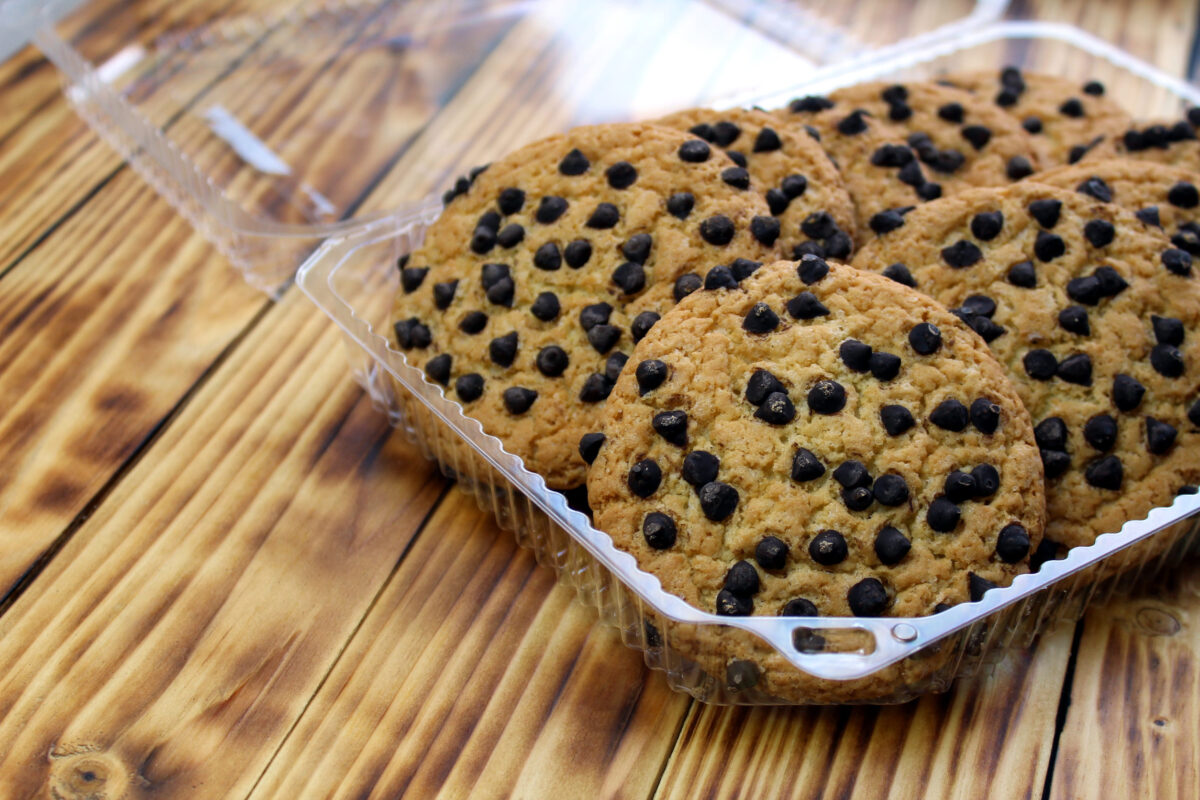
The boxed chocolate tradition itself has British roots. Richard Cadbury, of the Cadbury chocolate family, introduced the first heart-shaped box of chocolates in 1868 as a Valentine’s Day product, decorated with his own artwork and designed to be kept as a keepsake after the candy was gone. The idea crossed the Atlantic and eventually became a fixture of American courtship, to the point that “a box of chocolates” is still shorthand for a romantic gesture more than 150 years later.
The Soda Fountain Date
By the turn of the 20th century, the drugstore soda fountain had become one of the few genuinely acceptable places for young unmarried men and women to spend unsupervised time together in public. The Oxford Encyclopedia of Food and Drink in America describes the soda fountain as a place where families, teenagers, and courting couples alike gathered, “within walking distance of home or work.” A 1935 trade publication quoted in that same reference called it a place where “both sexes and all ages may enjoy themselves in an atmosphere of decency and charm.” The image of two people sharing one milkshake with two straws wasn’t just a movie cliché. For decades, it was a genuine, everyday courtship ritual playing out at lunch counters across the country.
What These Foods Have in Common
None of these traditions required much money or planning. A basket lunch, a batch of taffy, a nickel for a shared soda. What they offered instead was structure: a socially acceptable reason for two people to spend time together, with just enough built-in activity to make the moment feel less awkward.
Most of these rituals have faded, replaced by texting, apps, and dinner reservations made from a phone screen. But there’s something worth noticing in how much of American courtship used to run through food that people made, shared, or pulled apart together, rather than food someone ordered. It turns out working on something together, even something as small as candy, has always been a pretty good icebreaker.