Mastering Pasta Cooking Techniques: Simple Methods for Perfect Results Every Time
Pasta is one of the world’s most popular foods because it is simple, versatile, and adaptable to countless sauces and ingredients. However, preparing excellent pasta involves more than just boiling noodles and adding sauce. The final dish’s quality depends on several cooking techniques, including choosing the right pasta shape, preparing the cooking water correctly, achieving the right texture, and combining pasta with sauce properly. By understanding these fundamentals, home cooks can create pasta dishes with better flavor, texture, and consistency.
Choosing the Right Pasta Shape
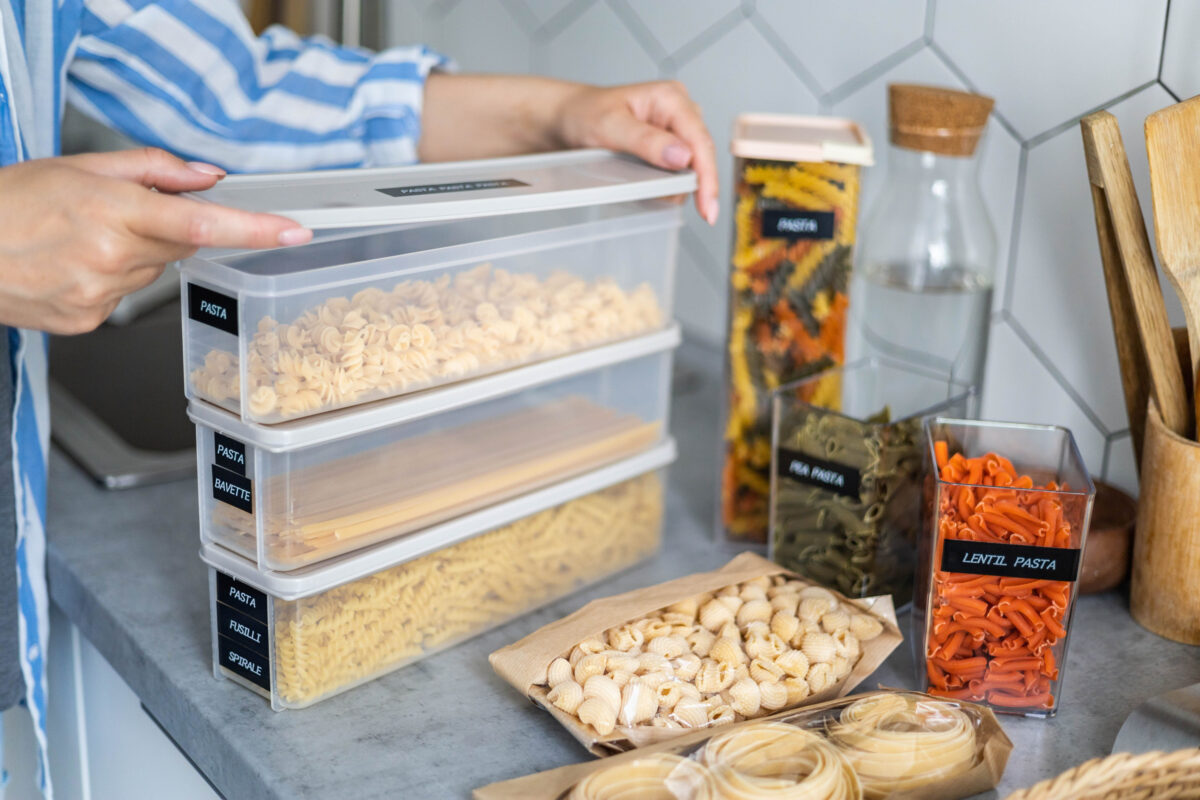
Different pasta shapes are designed to work with different types of sauces. Long pasta varieties such as spaghetti, linguine, and fettuccine pair well with smooth or oil-based sauces because they let the sauce coat the strands evenly. Short shapes such as penne, rigatoni, and shells often work well with thicker sauces because their openings and ridges can hold more sauce.
The pasta shape you choose affects the eating experience. A heavy, chunky sauce may overwhelm a delicate pasta shape, while a thin sauce may not cling properly to larger shapes. Choosing a suitable pasta-and-sauce combination helps create a balanced dish.
Preparing the Cooking Water Properly
One of the most important steps in pasta preparation is cooking the pasta in properly seasoned water. Adding salt seasons the pasta from the inside as it absorbs water during cooking. Unsalted pasta can taste bland even when paired with a flavorful sauce.
Usually, bring the water to a boil before adding pasta. Once you add the pasta, stirring during the early stages of cooking helps prevent strands or pieces from sticking together. Some traditional advice suggests adding oil to pasta water to prevent sticking, but oil doesn’t mix well with water and isn’t necessary for properly cooked pasta.
Related article: cooking-methods-that-can-strain-kidney-health/
Cooking Pasta to the Right Texture
A key skill in pasta preparation is achieving the correct texture. Italian cooking often aims for pasta that is “al dente,” meaning it is cooked until it is firm when bitten but not hard. This texture provides a pleasant balance between softness and structure.
The exact cooking time depends on the type and size of pasta, so follow the package instructions and check the texture near the end of cooking. Pasta continues to soften slightly when mixed with hot sauce, so removing it from the water at the appropriate moment can help prevent overcooking.
Overcooked pasta may become soft and lose its ability to hold sauce effectively. Undercooked pasta, on the other hand, can have an unpleasant firm center. Finding the right balance is a foundation of good pasta cooking.
Saving Pasta Water for Better Sauces
A useful technique many cooks use is reserving some pasta cooking water before draining. This water contains starch released from the pasta during cooking. When added to a sauce, the starchy water can improve texture and help the sauce coat the pasta more evenly.
Instead of simply placing cooked pasta on a plate and covering it with sauce, many pasta dishes benefit from combining the pasta and sauce in a pan. This lets the flavors meld and gives the sauce a chance to cling to the pasta.
Avoiding Common Pasta Mistakes
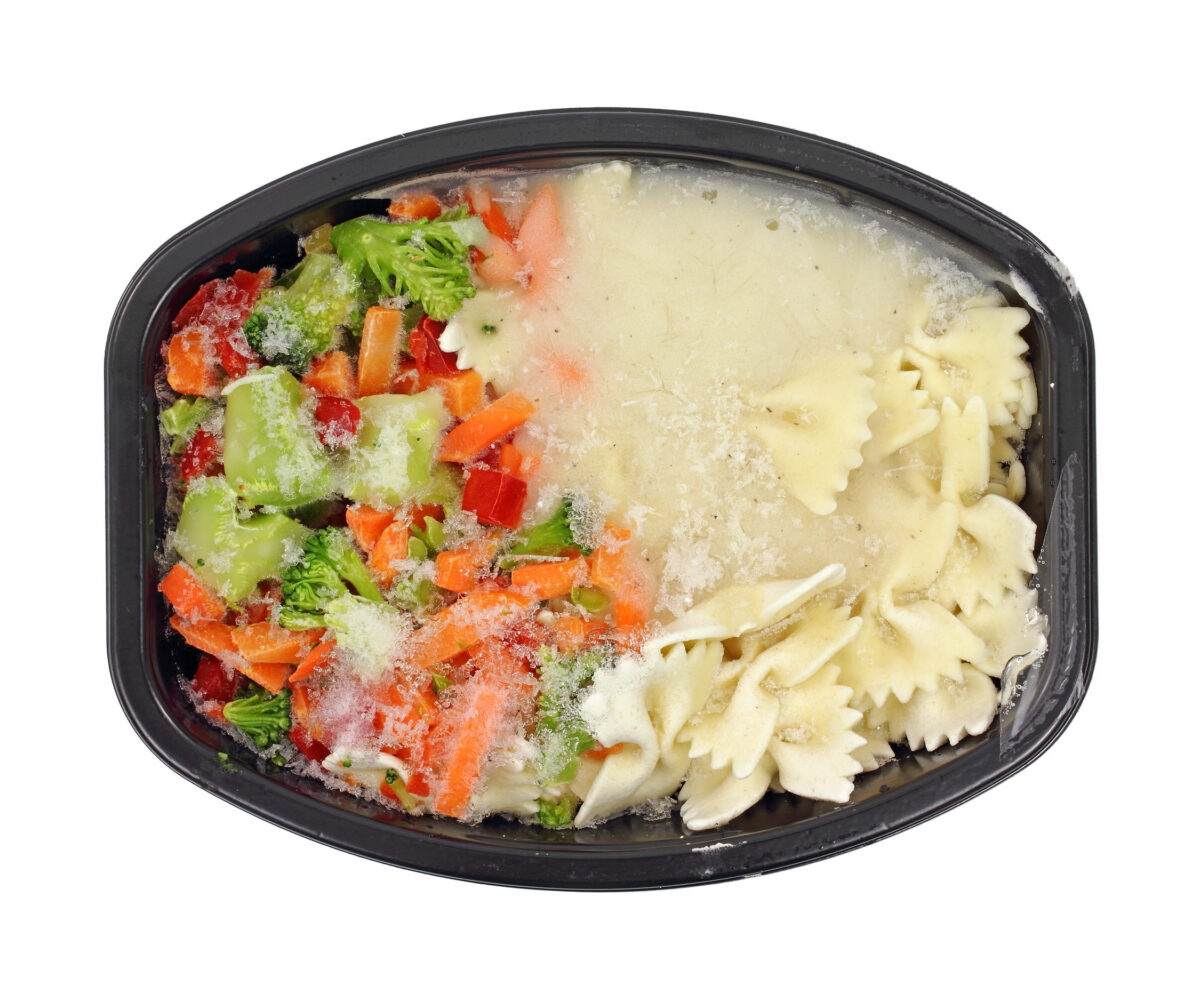
Several common mistakes can affect a pasta dish’s quality. One mistake is rinsing cooked pasta after draining it. Rinsing removes surface starch that can help sauces adhere to the pasta. For most hot pasta dishes, rinsing is unnecessary.
Another mistake is letting cooked pasta sit too long before adding sauce. As pasta cools, it can become sticky and lose some of its ideal texture. Preparing the sauce in advance and combining it with the pasta immediately after cooking usually produces better results.
Using too much sauce is another common issue. Pasta and sauce should complement each other, not overpower one another. The goal is to create a balanced dish where the pasta, sauce, and additional ingredients work together.
Matching Cooking Methods to Different Pasta Dishes
While boiling pasta in water is the most common method, you can also use other techniques. Some dishes involve finishing pasta in the sauce after partial cooking. This allows the pasta to absorb additional flavors while the sauce develops a smoother consistency.
Another approach is cooking pasta directly with other ingredients in a single pot. One-pot pasta methods let the pasta cook while absorbing flavors from the other ingredients, but the technique requires careful attention to liquid amounts and cooking time.
For baked pasta dishes, pasta is often cooked slightly less than usual before being combined with sauce and baked. The extra oven time lets the pasta reach the desired texture without becoming too soft.
The Importance of Timing and Technique
Good pasta cooking depends heavily on timing. From boiling the water to serving the dish, the process requires attention at each stage. Small details, such as when to add the pasta to the water, when to remove it, and when to combine it with sauce, can influence the final result.
Professional-style pasta does not necessarily require complicated ingredients. Many successful pasta dishes rely on simple components prepared correctly. A well-cooked pasta base can enhance even a basic sauce made with ingredients such as tomatoes, cheese, herbs, or olive oil.
Improving Pasta Skills Through Practice
Like many cooking techniques, preparing excellent pasta improves with experience. Learning how different pasta shapes behave, understanding cooking times, and experimenting with sauce combinations can help cooks develop confidence.
The most important principles are consistency and attention to detail. Use properly seasoned water, cook pasta to the desired texture, preserve some pasta water when needed, and combine the pasta with the sauce thoughtfully. These simple techniques can transform everyday pasta meals into more satisfying dishes.
Conclusion
Cooking pasta well combines choosing suitable ingredients with applying reliable techniques. From preparing the cooking water to achieving the right texture and finishing the dish with sauce, every step contributes to the final result. By mastering these essential methods, anyone can improve their pasta cooking skills and create meals that are flavorful, balanced, and enjoyable.
Other posts you might like:
– 8-natural-food-ingredients-that-make-everything-taste-better/
– the-boomer-food-traditions-that-still-bring-people-to-the-table/
– top-10-cooking-mistakes-you-should-avoid-for-perfect-dishes-every-time/