New Jersey Drivers Find Cheaper Gas at Trump-Backed Freedom Fuel Stations as Questions Grow Over the Program’s Future
For drivers in parts of New Jersey and Pennsylvania, a trip to the gas station recently came with an unexpected surprise: gasoline prices noticeably lower than those at nearby competitors. Several stations operating under the Freedom Fuel name began attracting attention after offering regular gasoline for around $3.47 per gallon, a price that immediately stood out in communities where drivers have been closely watching every movement at the pump. The lower prices quickly became a talking point among commuters, small business owners, students, and families looking for relief from everyday expenses. While some customers were interested in the political connection behind the stations, many said their decision was much simpler: they wanted to pay less for fuel.
The rollout of Freedom Fuel has created a larger national conversation about gasoline affordability, energy policy, and whether targeted discounts at select stations can make a meaningful difference for American consumers. For drivers filling up their tanks, the appeal is obvious. Even small savings per gallon can add up over time, especially for people who rely on their vehicles for work, school, or daily responsibilities. But beyond the lower price signs, questions remain about how the program operates, how many locations will participate, and whether the discounts can continue over the long term.
Freedom Fuel Stations Attract Drivers With Lower Gas Prices
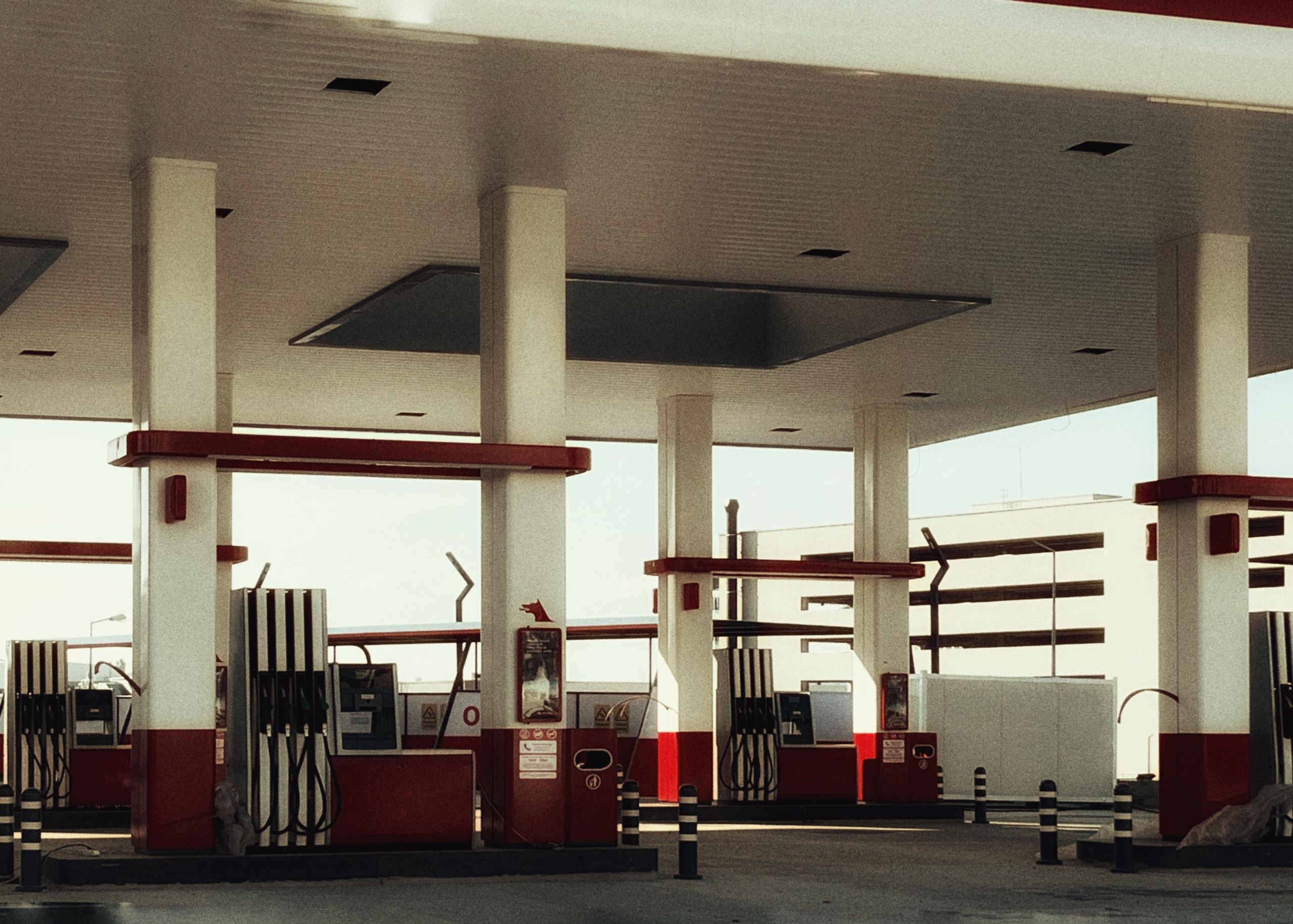
The Freedom Fuel name began appearing at selected gas stations in the Philadelphia region and South Jersey, drawing attention from drivers who noticed prices below those posted at nearby competitors. At some locations, regular gasoline was advertised at approximately $3.47 per gallon, creating a visible price difference between neighboring stations. The price point became a major attraction because gasoline costs remain one of the most noticeable expenses for American households. Unlike many bills that arrive monthly, fuel prices are displayed publicly every time drivers pass a station.
A difference of several cents per gallon may seem small, but for someone filling a large vehicle, commuting long distances, or operating a business fleet, the savings can add up. Drivers visiting Freedom Fuel locations described a common motivation: affordability. Some customers said they supported the program’s political message, while others said they were not interested in politics and simply wanted cheaper gasoline. The reaction showed how strongly fuel prices influence consumer decisions. When families are dealing with higher costs for housing, groceries, insurance, and other essentials, any reduction in transportation expenses can attract attention.
Why Gas Prices Matter So Much to American Drivers
Gasoline is more than a transportation expense. For millions of Americans, it affects nearly every part of daily life.
Higher fuel costs can influence:
- Daily commuting expenses
- Small business operating costs
- Delivery and transportation prices
- Family travel decisions
- The cost of goods and services
For workers who drive frequently, gasoline prices can directly affect income. Independent contractors, mechanics, construction workers, sales representatives, and delivery drivers often spend hundreds of dollars each month keeping their vehicles on the road. One New Jersey mechanic, Dan Soboloski, explained that fuel expenses have become an important part of his business calculations because traveling to customers requires significant driving. For workers like him, lower gasoline prices are not simply a convenience. They can influence whether a job remains profitable. The impact also extends beyond individual drivers. When transportation costs rise, businesses may eventually pass those expenses to customers through higher prices. That connection explains why gasoline prices frequently become a major political and economic issue.
Customers Focus on Savings More Than Politics
One of the most notable aspects of the Freedom Fuel rollout has been the customer reaction. Many drivers said they were more focused on the price displayed on the pump than the political message associated with the stations. For some, the connection to former President Donald Trump was a positive factor. Others said their political views did not influence their decision to purchase fuel. The common theme was affordability. A driver standing at a gas station usually faces a simple calculation: how much will it cost to fill the tank?
When prices are lower, consumers often respond quickly regardless of broader political debates. The response highlights a broader pattern in American consumer behavior. Economic pressures can sometimes overcome political divisions because household budgets remain a daily concern. Whether a customer supports or opposes a particular political figure, a lower gasoline bill provides an immediate financial benefit.
How Freedom Fuel Fits Into the Broader Gasoline Market
While discounted gasoline prices attract attention locally, the broader fuel market is influenced by many factors beyond individual stations.
Gasoline prices across the United States are shaped by:
- Global crude oil prices
- Domestic production levels
- Refinery capacity
- Transportation costs
- Regional competition
- Taxes and regulations
- International conflicts
A small number of stations offering cheaper fuel can provide direct relief to nearby customers. However, nationwide gasoline price changes require much larger market shifts. Oil is traded globally, meaning events thousands of miles away can affect what Americans pay at local pumps. A conflict in an oil-producing region, changes in global demand, production decisions by major energy companies, or disruptions to shipping routes can all influence gasoline prices. Because of this, energy analysts often distinguish between local discounts and broader market changes. Fuel may help individual communities save money, but its long-term impact depends on whether the program expands and whether similar approaches are adopted elsewhere.
Gasoline Prices Have Become a Major Political Issue
Few consumer prices are as closely watched as gasoline. Drivers see fuel prices constantly. A changing price sign outside a station can quickly shape public perceptions about the economy. When gasoline prices rise, consumers often connect the increase to government policies or leadership decisions. When prices fall, politicians frequently highlight those reductions as evidence of economic improvement. This pattern has existed under presidents from both political parties.
Fuel prices are particularly sensitive because transportation affects nearly every household. Even Americans who do not drive frequently are affected indirectly because fuel costs influence shipping, food prices, and business expenses. That visibility makes gasoline one of the most powerful symbols in debates over inflation and the cost of living.
Small Businesses Could Benefit Most From Lower Fuel Costs
Large transportation companies are not the only businesses affected by fuel prices.
Many small business owners depend heavily on affordable gasoline.
Examples include:
- Independent contractors
- Delivery workers
- Landscaping companies
- Repair technicians
- Construction workers
- Sales professionals
For these workers, fuel is part of the cost of doing business. A reduction of even a few cents per gallon can add up when multiplied over thousands of miles driven each year. Small business owners often face difficult decisions when fuel prices rise. They must either absorb higher expenses, reduce profit margins, or increase prices for customers. Lower fuel costs can provide additional financial flexibility.
Critics Question Whether Discounted Fuel Can Provide a Long-Term Solution
Although many drivers welcomed Freedom Fuel’s lower prices, critics have questioned whether the program represents a lasting answer to America’s energy challenges. Skeptics argue that a limited number of discounted stations cannot address larger issues affecting gasoline prices, including global oil markets and supply constraints. They say long-term affordability requires broader solutions involving energy production, infrastructure, competition, and market stability.
Supporters argue that immediate savings still matter. For families struggling with rising costs, temporary relief can make a meaningful difference. A lower fuel bill today can help cover groceries, childcare, household expenses, or other necessities. The debate reflects a larger question facing policymakers: whether short-term consumer relief and long-term energy strategies can work together.
A Gas Station Discount Became a Bigger Economic Debate
The story of Freedom Fuel is about more than gasoline prices. It reflects a broader concern among Americans who are closely monitoring household expenses and looking for ways to reduce everyday costs. For drivers in New Jersey and Pennsylvania, the immediate benefit is simple: cheaper gasoline. But the broader debate reaches far beyond a single price sign. It raises questions about energy policy, consumer affordability, political messaging, and how governments and businesses respond when families feel financial pressure.
Whether Freedom Fuel becomes a nationwide model or remains a limited program, one fact is clear: Americans continue to pay close attention whenever the price at the pump changes. For millions of drivers, the most important question remains the same every time they stop for fuel: