Cooking Rules You Can Break (and the Ones You Really Shouldn’t)
Every home cook has heard them: “Never put cheese on seafood.” “Always bring meat to room temperature.” “Don’t salt beans before they’re cooked.” “Fresh ingredients are always better.” These kitchen commandments get passed down like family secrets, but here’s the fun part: not all cooking rules are actually rules.
Some exist for good reasons. Others are old habits that stuck around long after the original problem disappeared. And a few are simply preferences dressed up as facts.
The trick isn’t to ignore cooking wisdom. It’s to understand why a rule exists. Once you know its purpose, you can decide whether to follow it, adjust it, or confidently break it.
Cooking “rules” usually come from four places: tradition, professional kitchens, food science, and safety. Traditional rules often protect cultural identity and familiar flavors. Restaurant rules help chefs create consistent results quickly. Food science explains things like browning, texture, and ingredient chemistry. Safety rules protect you from foodborne illness,and those should stay firmly in place.
So, which kitchen rules deserve a little rebellion?
Fresh Isn’t Always Better
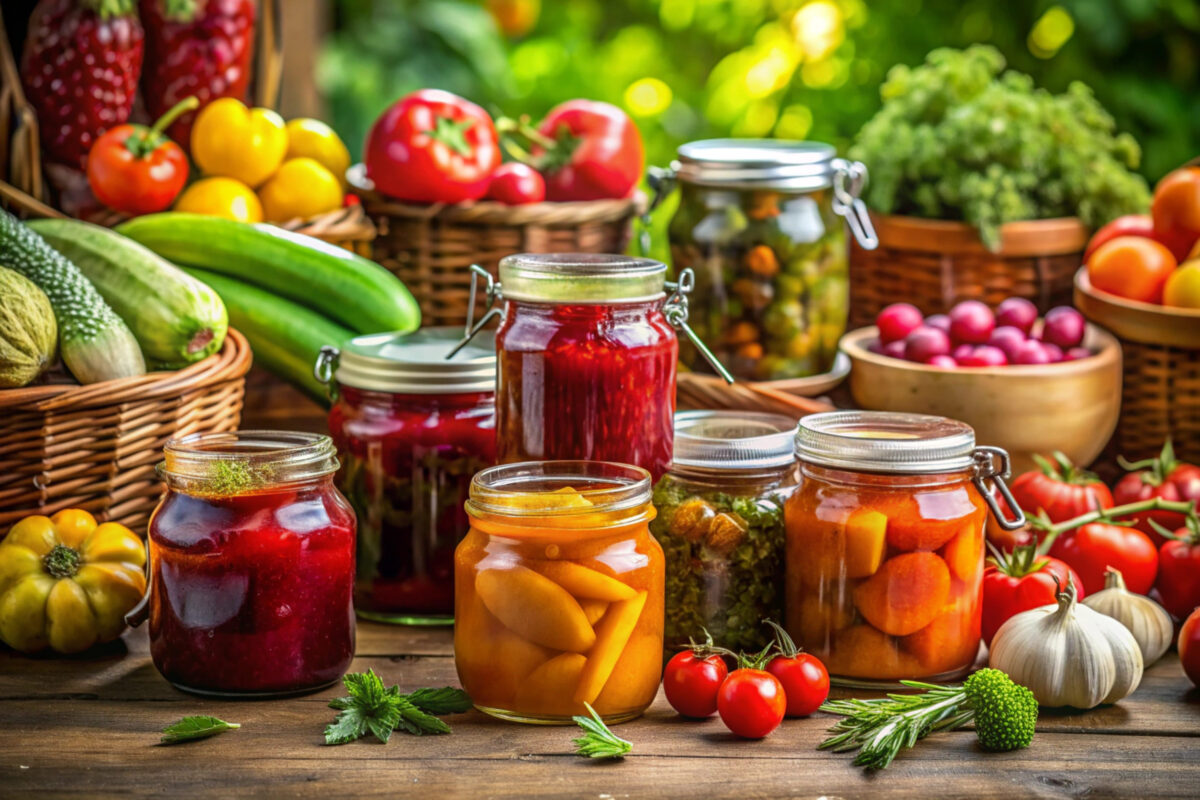
Many cooks believe fresh ingredients automatically beat frozen or canned ones. But freshness is not just about whether something was recently picked; it’s about how it was handled after harvest.
Frozen vegetables are often processed and frozen soon after harvesting, which can help preserve quality. Canned ingredients also have a place in great cooking. Good canned tomatoes, beans, chickpeas, pumpkin, fish, and coconut milk can become the foundation of excellent meals.
A fresh tomato at peak season? Amazing. A winter tomato that has spent days traveling and sitting on a shelf? A quality can of tomatoes might actually deliver better flavor.
The better rule is: use the ingredient that works best for the dish.
Fresh herbs may shine in a salad. Frozen peas may be perfect in a soup. Canned beans can rescue dinner when the fridge is looking empty.
Cheese and Seafood? It Depends
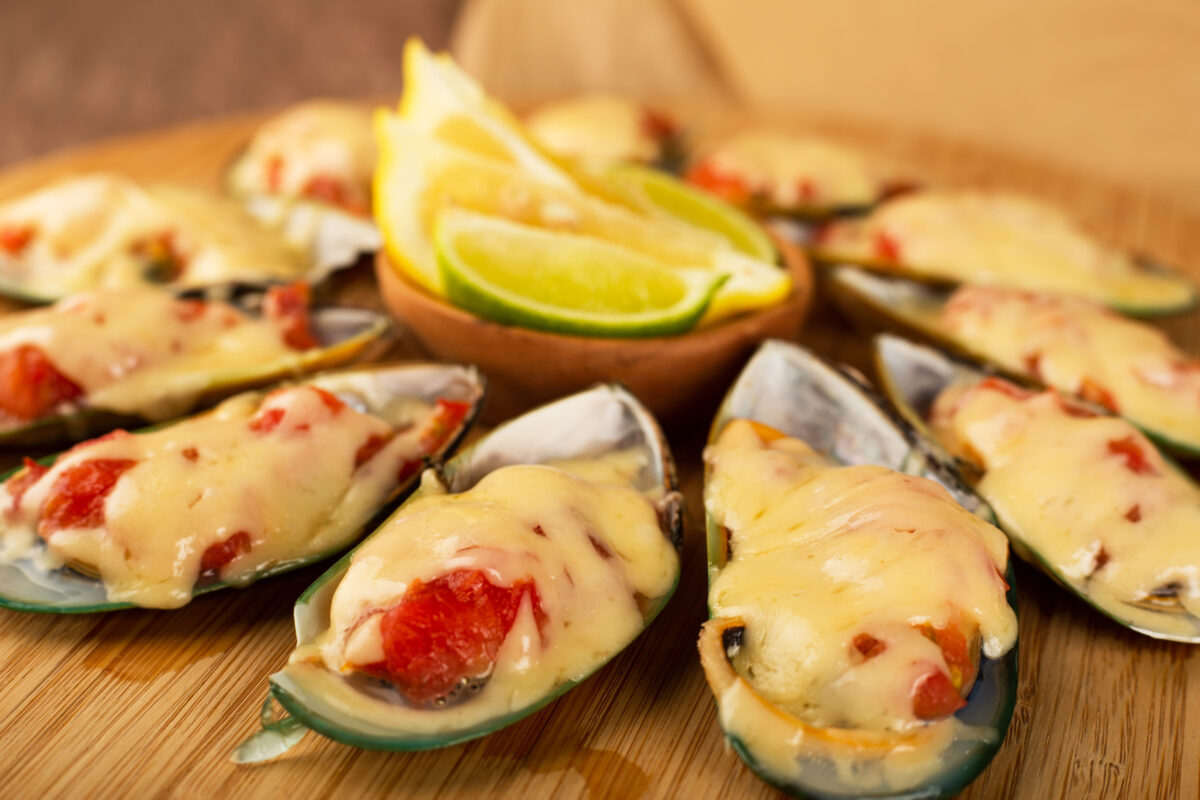
The idea that cheese and seafood should never meet is more cultural tradition than scientific law. The concern is that strong dairy flavors can overpower delicate seafood, but that doesn’t mean every seafood-and-cheese combination is doomed.
A little Parmesan on a baked seafood topping? Delicious. Creamy seafood pasta? A classic in many places. The key is balance.
Think of ingredients like people at a dinner party: some personalities work beautifully together, while others compete for attention. A delicate fish may disappear under a heavy cheese sauce, but stronger seafood like crab, lobster, tuna, or anchovies can handle richer flavors.
Stop Fearlessly Peeling Everything
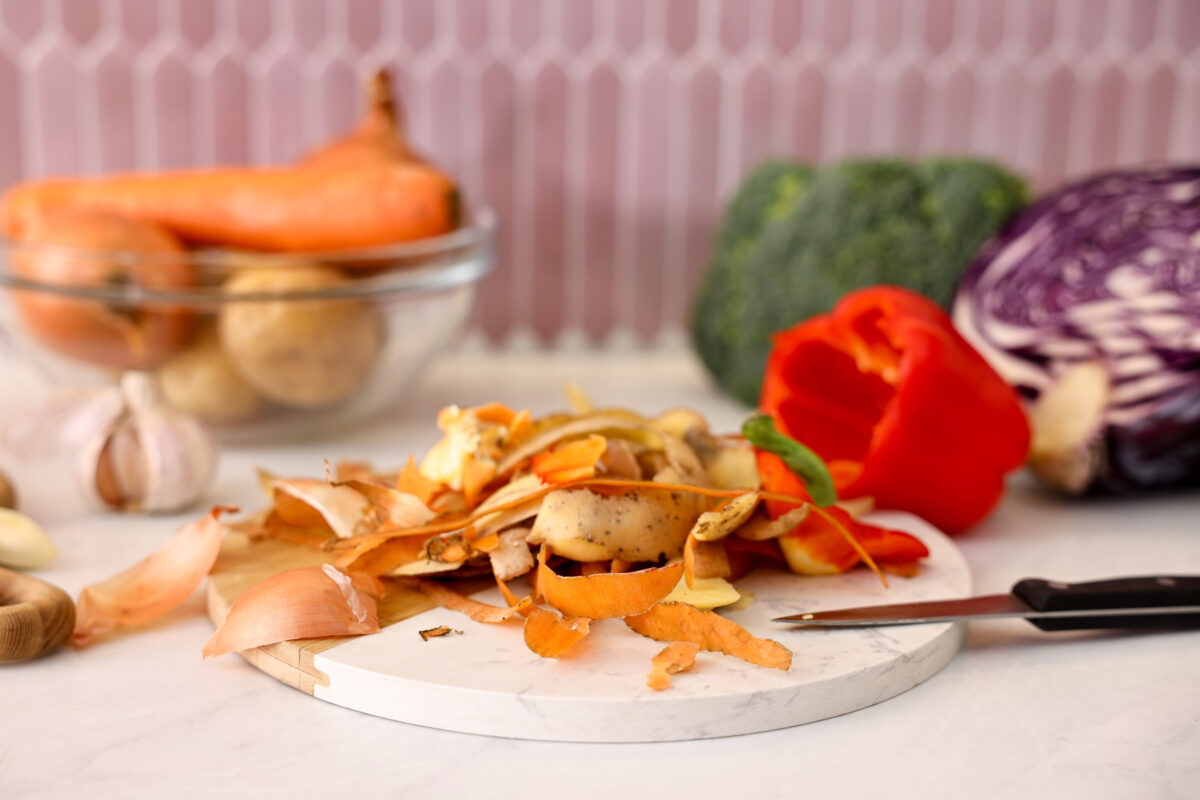
Many vegetables arrive with their own built-in packaging,the skin. And sometimes we throw it away for no reason.
Potatoes, carrots, beets, sweet potatoes, and zucchini often work perfectly well after a good wash and scrub. Keeping the skin saves time, reduces waste, and adds texture.
Of course, peeling still has its place. Tough, bitter, damaged, or waxy skins should go. Cooking is not about following a rule blindly; it’s about knowing what improves the final dish.
Searing Meat Doesn’t “Lock In” Juices
This is one of the most famous kitchen myths. Searing meat creates beautiful browning, rich flavor, and those delicious browned bits that make incredible sauces. But it does not create a magical waterproof barrier that keeps juices trapped inside.
The real secrets to juicy meat are better temperature control, choosing the right cooking method, avoiding overcooking, and allowing the meat to rest.
So go ahead and sear your steak,but do it for flavor, not because you believe you’ve built a tiny meat fortress.
Salt Isn’t the Enemy of Beans
For years, many cooks were told to avoid salting beans until after cooking because salt supposedly makes them tough.
Modern food science challenges that idea. Salted soaking water can help beans cook more evenly and keep their skins intact. Acidic ingredients like tomatoes, vinegar, and citrus are more likely to slow softening.
The next time you cook beans, don’t fear the salt shaker.
The Best Rule: Experiment Intelligently
Breaking cooking rules does not mean throwing random ingredients into a pot and hoping for magic. It means becoming curious.
Want to replace an ingredient? Ask what job it performs. Is it adding moisture? Fat? Structure? Acidity? Sweetness? Understanding function makes substitutions much easier.
Start small. Change one thing at a time. Taste as you go. Keep notes when an experiment works,or spectacularly fails.
A recipe is a guide, not a legal contract.
But Some Rules Are Not Negotiable
Creative cooking has boundaries. Food safety is not the place for improvisation.
Use a thermometer for high-risk foods. Keep raw meat separate from ready-to-eat foods. Refrigerate perishables promptly. Avoid unsafe thawing methods. These rules exist because they prevent real harm.
The goal is not to become a kitchen rebel who ignores everything. It’s to become the kind of cook who understands the difference between a helpful guideline and an outdated habit.
The best cooks are not the ones who follow every rule perfectly. They are the ones who know why the rule exists, and when a little creativity can make dinner better.
Other Posts You May Like
6 Clever Cooking Hacks That Make Healthy Eating A Breeze
The Perfectionist’s Guide to ‘Scruffy Hospitality’ and Making Space for Connection