
6 Things People Assume Everyone Knows How to Cook
Some foods feel so familiar that people assume they must be effortless. Rice, eggs, pancakes, pasta, roast chicken, and mashed potatoes are everyday staples, but “simple” does not always mean automatic.
A few small choices can change the final result, and those details are often the difference between a dish that turns out the way you hoped and one that leaves you wondering what happened.
The good news is that these skills are learnable. Many cooks are not missing talent; they are simply missing a technique they were never shown.
Rice
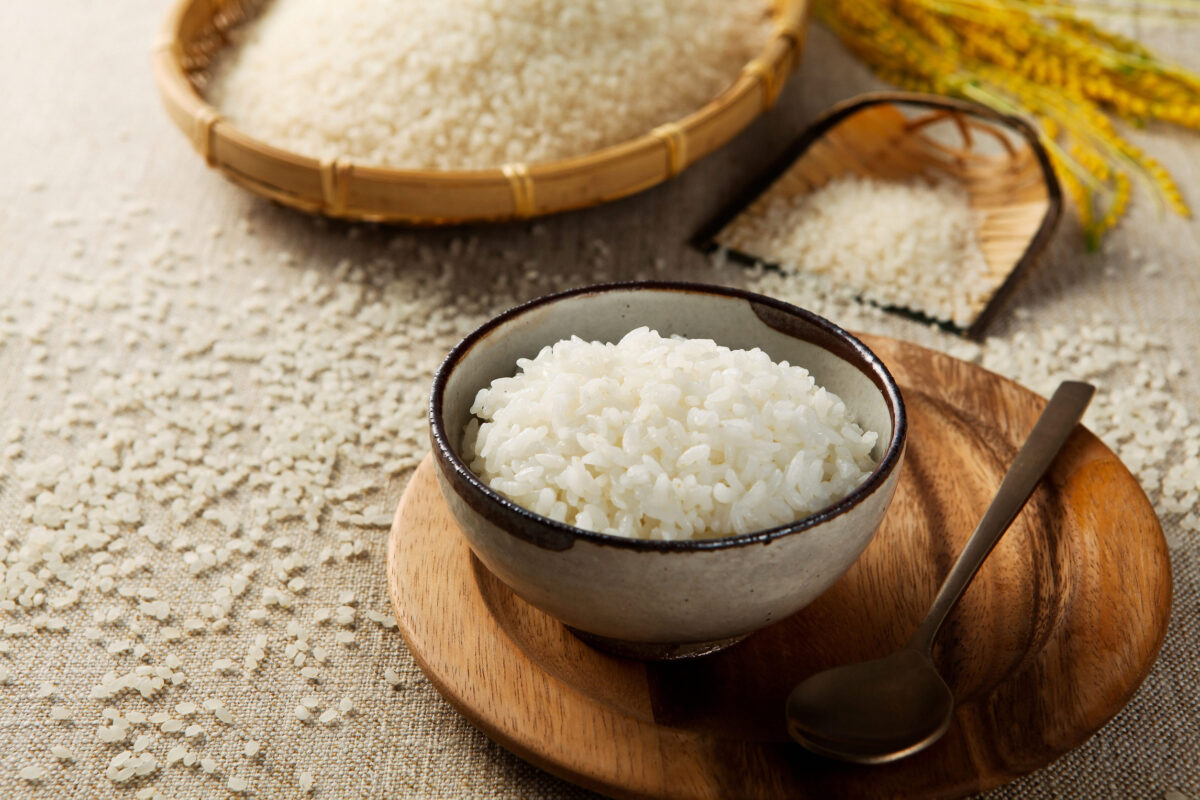
Rice looks like one of the easiest things to make. After all, the basic idea seems straightforward: add rice, liquid, and heat to a pot. That simplicity can make people overlook the method behind a dependable batch.
For basic long-grain rice, the details matter. Purdue Extension’s recipe guidance uses a measured approach: rice and liquid are brought to a boil, then the heat is reduced, the pot is covered, and the rice cooks before being fluffed with a fork afterward. The method does not involve constantly stirring or repeatedly lifting the lid.
That is where things can go sideways. Treating every rice dish the same or checking the pot over and over can make the process less consistent. The trick is to choose a method, measure consistently, and let the covered pot do its job. When the rice is finished, fluffing helps separate the grains instead of pressing them together.
Scrambled Eggs
Scrambled eggs seem almost too simple to get wrong. Crack the eggs, stir them in a pan, and breakfast is ready, or at least that is the idea.
The challenge is finding the point between eggs that are still visibly liquid and eggs that have gone too far. The FDA advises cooking scrambled eggs until they are firm throughout, while the practical cooking goal is to avoid leaving them runny without overcooking them.
A few small habits can help. Using moderate heat and keeping the eggs moving gently can help create soft curds rather than dry, browned pieces. The easy part is starting the eggs; the skill is knowing when to stop. Removing them from the heat once they are set and moist-looking can help avoid the disappointment of overcooked scrambled eggs.
Pancakes
Pancakes have a reputation for being a beginner-friendly breakfast, especially when a boxed mix makes the process seem as easy as combining ingredients and cooking. But even pancakes have a small technique that can make a noticeable difference.
One common mistake is trying too hard to make the batter perfectly smooth. King Arthur Baking advises mixing only until the ingredients are combined, and a few small lumps are fine. Mixing too much can develop gluten and deflate the batter, which can lead to pancakes that are tougher, flatter, or less tender.
The goal is not a completely flawless-looking bowl of batter. Stop mixing once the ingredients are combined, and there are no major streaks or pockets of dry flour. If the recipe directs it, letting the batter rest briefly can help it thicken. Sometimes doing less is the better approach.
Related: 7 Kitchen Tips Every Home Cook Should Know
Pasta
Pasta can feel like the ultimate set-it-and-forget-it food. Many packages include a suggested cooking time, so it is easy to assume the only task is boiling water, adding noodles, and waiting.
The overlooked skill is paying attention before that suggested time is up. Pasta can continue to soften while sitting in hot water or when it is finished in sauce. Waiting until the noodles are very soft in the pot can leave the finished dish mushier than intended.
A little attention makes a difference. Stirring the pasta early can help prevent clumping, and tasting a piece before draining gives you a better sense of its texture. For saucy dishes, reserving some starchy pasta water and finishing the pasta in the sauce can help bring the components together instead of treating the noodles and sauce as completely separate.
Roast Chicken
A whole roast chicken can look like the definition of an easy dinner: prepare it, put it in the oven, and wait. But the part that requires skill is not just cooking the chicken; it is knowing when it is actually done.
Relying only on cooking time, skin color, or clear-looking juices can leave room for guessing. The important step is checking doneness with a thermometer. FoodSafety.gov’s poultry temperature guidance identifies 165°F (74°C) as the safe minimum internal temperature for poultry, including whole birds.
The practical approach is to treat roasting time as an estimate rather than a guarantee. Using an instant-read thermometer to check the thickest portion of the meat without touching bone helps confirm whether the chicken has reached the needed temperature. It is a simple check that replaces guesswork with information.
Related: Top 10 Cooking Mistakes You Should Avoid for Perfect Dishes Every Time
Mashed Potatoes
Mashed potatoes have a short ingredient list, which can make them seem impossible to mess up. Potatoes, butter, milk, salt, and perhaps cream sound like the recipe for an easy side dish. But texture depends on how those potatoes are handled.
The common problem is overworking cooked potatoes. Aggressive blending or too much stirring can release too much starch, leaving the mash gluey instead of light and fluffy. Starting potatoes in cold water also helps them cook more evenly than placing large chunks into already-boiling water.
A few careful steps can make the difference. Cut potatoes into evenly sized chunks, cook them until just tender, drain them thoroughly, and mash them while hot. A potato masher or ricer can be used, and warming the dairy before adding it is part of the process. Mix only until the texture is right for you.
Knowing what to cook and knowing how to cook it well are two different skills. These familiar foods do not require complicated tricks; they require a few details that many people were never taught. Once those small techniques become familiar, everyday dishes become much easier to approach with confidence.


