How Modern Life Is Reshaping Home Cooking
For centuries, home cooking has been central to family life, cultural traditions, and daily routines. Recipes were passed from one generation to the next, meals were often prepared from scratch, and the kitchen served as a gathering place where people connected over food.
Today, home cooking is undergoing a major transformation. Busy schedules, technological advances, changing family structures, rising food costs, and new attitudes toward health and convenience are reshaping kitchens worldwide.
While some fear traditional home cooking is disappearing, experts suggest it isn’t vanishing; it is adapting. Modern home cooks are finding new ways to balance convenience with creativity, technology with tradition, and speed with quality.
The Rise of Convenience in the Kitchen
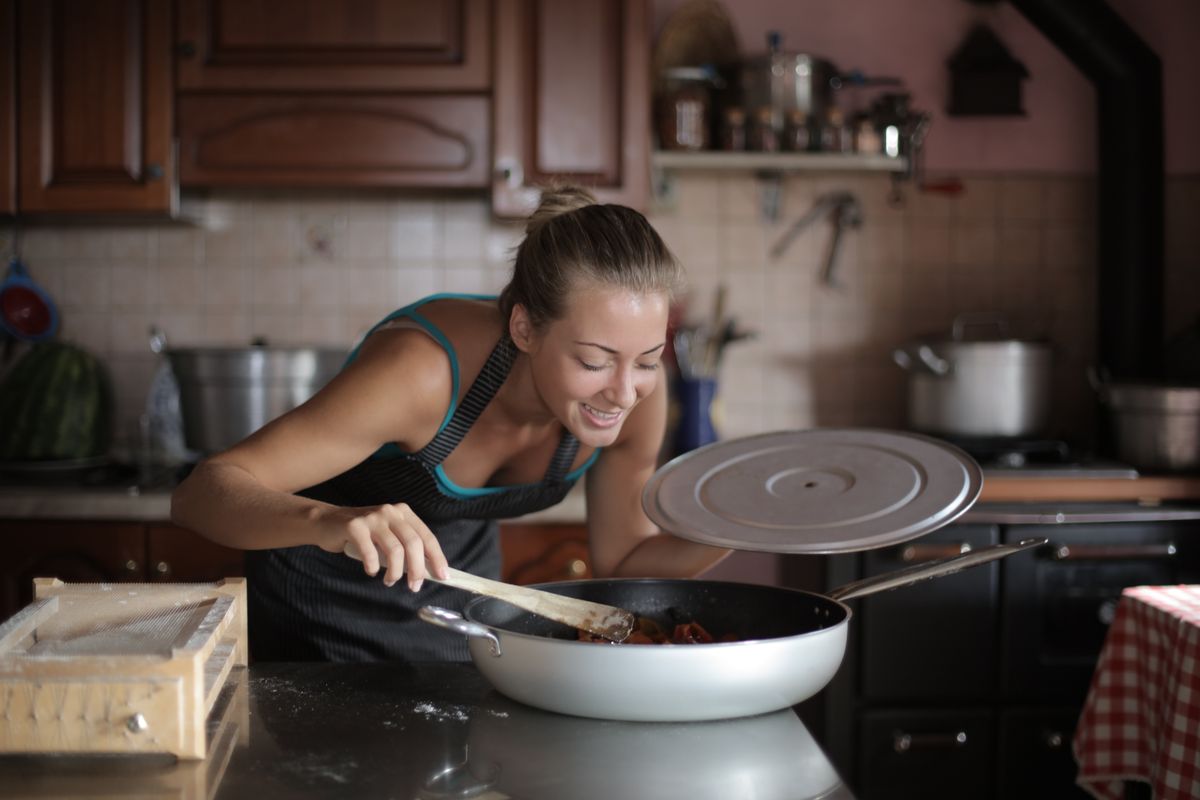
One of the biggest changes in home cooking is the growing demand for convenience.
Modern lifestyles often involve longer working hours, commuting, childcare responsibilities, and other commitments that leave less time for preparing meals. As a result, many people are looking for faster ways to cook without completely abandoning homemade food.
Ready-to-cook ingredients, meal kits, frozen vegetables, pre-cut produce, and simplified recipes have become increasingly popular. These products allow people to prepare meals at home while reducing the time and effort traditionally required.
For many households, convenience does not mean giving up cooking altogether. Instead, it means finding shortcuts.
A person may use a prepared sauce but still cook fresh vegetables and protein at home. Another may rely on frozen ingredients while experimenting with homemade recipes. The modern kitchen often combines traditional methods with time-saving solutions.
Technology Takes Over the Kitchen
Technology has become one of the most influential forces changing how people prepare food.
Smart appliances, digital cooking platforms, and online recipe communities have transformed the cooking experience. Devices such as air fryers, multi-cookers, and smart ovens have become popular because they allow people to prepare meals more efficiently.
Online platforms have also changed how people discover and share recipes. Instead of relying only on cookbooks or family instructions, home cooks can now access thousands of recipes, cooking videos, and tutorials instantly.
Social media has created a new generation of food creators who share cooking ideas with millions of viewers. Short videos showing quick recipes, cooking techniques, and meal preparation tips have made cooking more accessible, especially for younger generations.
Technology has also helped beginners gain confidence. Someone who has never prepared a particular dish can now follow step-by-step instructions from experienced cooks worldwide.
Smaller Households, Different Cooking Habits
Changes in household structures are also influencing home cooking.
In many places, more people are living alone or in smaller households. Traditional recipes designed for large families may no longer fit modern lifestyles.
Single-person households often face challenges such as buying ingredients in smaller quantities, avoiding food waste, and finding motivation to cook for one person.
As a result, there is growing interest in smaller portions, flexible recipes, and meals that can be prepared quickly.
At the same time, families that do cook together are often adapting their routines. Instead of spending hours preparing elaborate meals every day, many households are choosing simpler dishes that fit their schedules.
The meaning of a “home-cooked meal” is changing. It no longer necessarily refers to a long preparation process it can simply mean food prepared at home with care.
Health Awareness Changes What People Cook
Growing awareness about nutrition has also reshaped home cooking.
Many people are becoming more interested in understanding what goes into their meals. Concerns about processed foods, excessive sugar, and unhealthy fats have encouraged some home cooks to return to fresh ingredients and balanced meals.
Plant-based eating has also influenced kitchens worldwide. More people are experimenting with vegetables, legumes, alternative proteins, and meat-free recipes.
However, modern health-focused cooking is not only about restrictions. Many people want meals that are both nutritious and enjoyable.
The popularity of homemade smoothies, grain bowls, fermented foods, and high-protein meals reflects a broader interest in food as a part of overall wellness.
Cultural Exchange Expands Home Menus
Globalization has dramatically expanded the variety of foods people prepare at home.
In previous generations, many households relied mainly on local and traditional dishes. Today, home cooks are experimenting with flavors from different countries and cultures.
Ingredients that were once considered unusual are now widely available in supermarkets. Recipes from around the world are now instantly available online.
A family in one country may prepare a Thai curry, Mexican-inspired tacos, Italian pasta, or Indian-style dishes in the same week.
This cultural exchange has created more diverse home kitchens while also allowing people to explore and appreciate global food traditions.
The Challenge of Preserving Food Traditions
Despite these changes, concerns remain about the future of traditional cooking.
Many cultural recipes depend on techniques that require time, experience, and knowledge passed down through generations. As fewer people spend long hours in the kitchen, some traditional methods risk being forgotten.
Older generations often worry that younger cooks may not learn important skills such as making traditional breads, preserving foods, or preparing regional specialties.
However, technology may also help preserve these traditions. Digital archives, cooking channels, and online communities are allowing people to document and share recipes that might otherwise disappear.
A traditional recipe recorded in a video can now reach people far beyond its original community.
The Growing Importance of Sustainability
Environmental concerns are also influencing modern cooking habits.
More people are paying attention to food waste, seasonal ingredients, and sustainable choices. Home cooks are finding creative ways to use leftovers, reduce packaging, and make better use of available ingredients.
Practices such as meal planning, composting, and preserving food are becoming more common.
For some households, sustainability is bringing back older traditions such as using every part of an ingredient or preparing food according to seasonal availability.
In this way, modern concerns are reconnecting people with practices that existed before industrial food systems became dominant.
The Future of Home Cooking
The future of home cooking is unlikely to look exactly like the past. The image of families spending hours preparing every meal from scratch may become less common, but cooking at home remains an important part of daily life.
Instead of disappearing, home cooking is becoming more flexible.
Future kitchens may combine advanced technology with traditional knowledge. Artificial intelligence may help people plan meals, reduce waste, and create personalized recipes, while cultural traditions continue to influence what people eat.
The modern home cook is not necessarily someone who follows old rules. Instead, it is someone who adapts using available tools, ingredients, and ideas to create meals that fit their lifestyle.
A New Era for the Kitchen
Modern life has changed the way people think about food, but it has not eliminated the desire to cook. People still seek the comfort, creativity, and connection that come from preparing meals at home.
The kitchen is no longer just a place for traditional routines. It has become a space where technology, culture, health, and personal expression meet.
Home cooking is changing because people’s lives are changing. The meals of the future may be faster, more diverse, and more technology-driven, but they will continue to reflect one important human need: the desire to create and share food.