The Cuban Sandwich Story Goes Beyond the Tampa-Miami Rivalry
The Cuban sandwich tells a story bigger than a debate between two Florida cities. For years, Tampa and Miami have both been connected to the sandwich’s identity. But historical research points to a more complicated history: the sandwich’s roots trace back to Cuba, while Tampa played a major role in shaping the modern sandwich and Miami later helped bring it wider recognition.
For Florida readers, the Cuban sandwich is more than a familiar meal. It reflects the communities, cultures, and histories that helped shape the state’s food traditions.
The conversation around the sandwich shows how food can connect different places and generations. Rather than being only a question of which city claims it, the Cuban sandwich story includes the many communities that influenced its development.
A Food Story Rooted in Migration and Culture
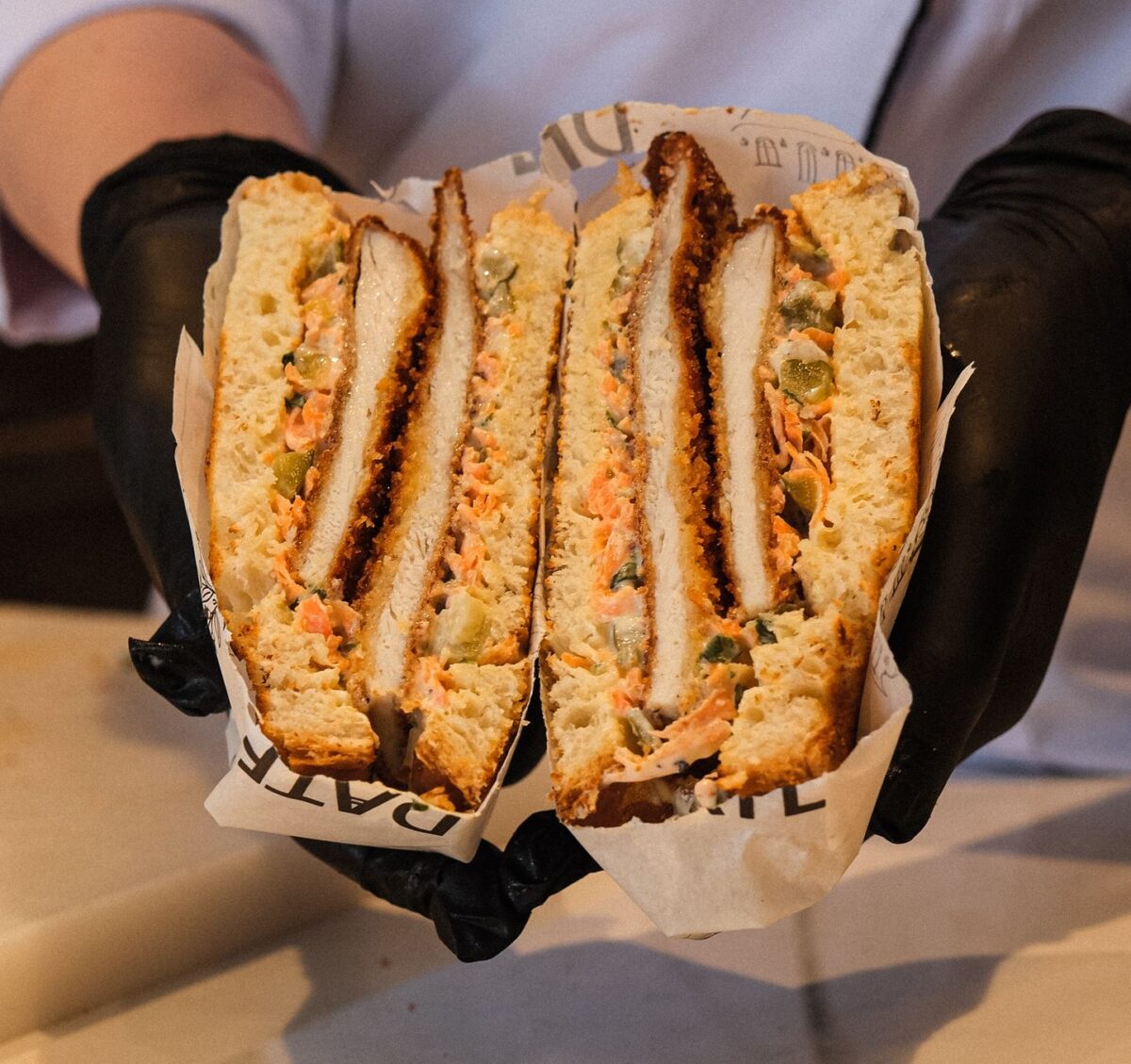
The Cuban sandwich reflects Florida’s Cuban, Spanish, and Italian immigrant history. Its development is connected to the movement of people and cultures, especially during periods when immigrant communities built new lives and traditions in Florida.
The sandwich’s roots trace back to Cuba, but its history continued to develop after reaching Florida. Over time, different communities helped shape the sandwich’s identity and how it became known.
This makes the Cuban sandwich story a broader example of how food traditions change as they move between places. A dish can carry memories of where it began while also becoming connected to new communities that help define its future.
For Florida audiences, the sandwich represents more than a local food debate. It reflects the experiences of communities that contributed to the state’s cultural history.
Related: Why Food Experts Advise Against Adding Mayo to Tuna Sandwiches
Tampa’s Role in Shaping the Modern Sandwich
Tampa’s connection to the Cuban sandwich is closely tied to Ybor City and its multicultural cigar-era community.
Ybor City became an important setting for the sandwich’s development, bringing together Cuban, Spanish, and Italian influences. The area’s history helped shape the version of the sandwich that became associated with Tampa.
The city’s role is a major reason Tampa remains closely connected to the Cuban sandwich conversation. The sandwich became part of the local story, reflecting the people and communities who helped build the area’s identity.
Jeff Houck, co-author of The Cuban Sandwich: A History in Layers, described Tampa’s influence on the sandwich’s history: “The Cuban sandwich that people fell in love with found its voice here in Tampa.”
That connection remains an important part of how the sandwich is remembered in Florida food history.
Miami’s Influence on the Sandwich’s Wider Recognition
Miami’s place in the Cuban sandwich story represents another important chapter. The city later became the center of Cuban-American culture and helped make the sandwich internationally recognizable. Miami’s role shows how the sandwich continued to evolve as it became connected to new communities and audiences.
The sandwich’s popularity grew beyond one location, and Miami became central to how many people came to recognize it. The city’s Cuban-American cultural influence helped bring greater attention to the sandwich.
This does not replace Tampa’s role. Instead, it adds another part of the story. The history of the Cuban sandwich includes both cities and the different ways they contributed to its identity.
Why the Story Matters to Florida Readers
The Cuban sandwich debate often appears as a rivalry between Tampa and Miami, but the history reveals a more detailed picture.
The sandwich represents a combination of cultural influences and community traditions. Its story includes Cuban roots, Tampa’s Ybor City history, and Miami’s later role in spreading recognition.
Food traditions often develop through shared experiences. The Cuban sandwich shows how communities can influence one another and create something that becomes meaningful across generations.
For everyday readers, the story reminds us that familiar foods often have deeper histories. A sandwich can represent migration, cultural exchange, and the places where people built communities.
The Cuban sandwich is part of Florida’s larger food story because it connects different backgrounds and different moments in history.
A Continuing Conversation About Florida Food History
The discussion surrounding the Cuban sandwich continues because both Tampa and Miami have important connections to its story.
Tampa highlights the influence of Ybor City’s multicultural cigar-era community and its role in shaping the modern sandwich. Miami reflects the city’s later role as the center of Cuban-American culture and the sandwich’s wider recognition.
Viewing the sandwich through this broader lens shifts the focus from a simple competition to a story of shared history.
The Cuban sandwich’s journey from its roots in Cuba to its place in Florida food culture shows how traditions can grow and change over time. Different communities can shape a food’s identity while preserving its history.
For readers interested in Florida’s culinary traditions, the Cuban sandwich offers a way to explore the connections between food and community. Its story draws on many influences, reflecting the people and places that helped shape it.
Keeping the Cuban Sandwich Story Alive
The future of the Cuban sandwich conversation will continue through the communities that celebrate it. Whether the focus is Tampa’s Ybor City history, Miami’s Cuban-American cultural influence, or the sandwich’s Cuban roots, each part of the story contributes to its lasting place in Florida’s food culture.
The Cuban sandwich isn’t defined by one city or one moment. Its history reflects the many people, traditions, and communities that helped create its legacy.
For Florida food lovers, that makes the sandwich more than a menu item. It reminds us that local foods often tell larger stories about the places where they began and the communities that carried them forward.