Malaysia’s Durian Ambition: Can It Challenge Thailand’s Dominance in China’s Lucrative Market?
For years, Thailand has enjoyed an almost unmatched position in China’s rapidly growing durian market. The Southeast Asian nation has become the leading supplier of the popular tropical fruit to Chinese consumers, building a multi-billion-dollar trade around varieties such as the famous Monthong durian.
But a new competitor is entering the race. Malaysia is working to expand its durian exports to China and hopes its premium varieties, especially the highly valued Musang King, can reshape the market.
Malaysia’s strategy is not simply about selling more durians. It is about positioning itself as a producer of high-quality, premium fruit and capturing a larger share of one of the world’s most profitable agricultural markets.
The question now is whether Malaysia can seriously challenge Thailand’s long-established dominance.
China’s Growing Love Affair With Durian
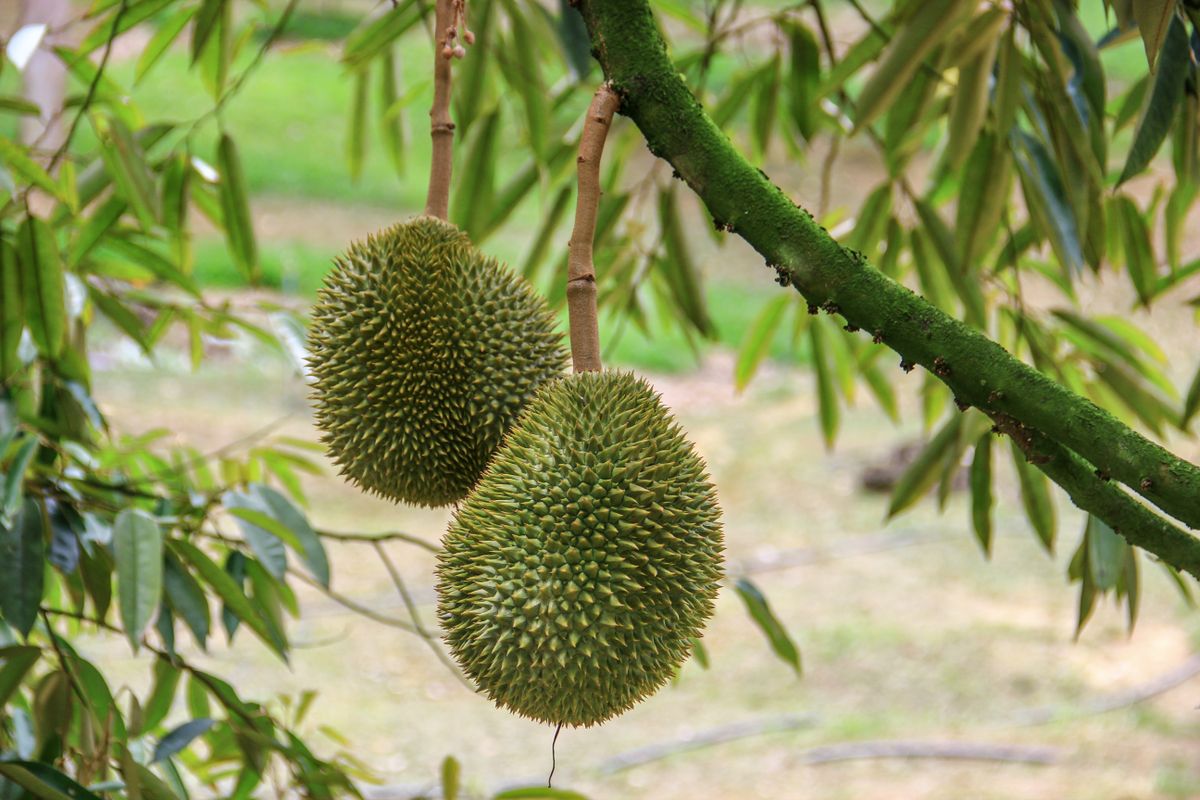
Durian has become one of China’s most sought-after imported fruits. Once considered a niche product, it has transformed into a luxury food item associated with celebrations, gifts, and social occasions.
Chinese consumers have developed a strong appetite for durian, driven by rising incomes, changing food preferences, and increased exposure to Southeast Asian cuisine.
The demand has created major opportunities for producing countries. Thailand has benefited more than any other exporter because it has built a mature supply chain, established farming relationships, and maintained a consistent presence in Chinese markets.
Thai durian exports have expanded significantly over the past decade, making China the country’s most important international destination for the fruit.
Malaysia now wants a larger role in this booming trade.
The Musang King Advantage
Malaysia’s strongest weapon in the durian competition is the Musang King variety.
Known locally as “Mao Shan Wang,” Musang King is famous for its creamy texture, intense flavor, bright yellow flesh, and relatively small seeds. Among durian enthusiasts, it is often regarded as a premium variety.
Unlike Thailand’s Monthong durian, which dominates many export markets because of its longer shelf life and transport advantages, Musang King is marketed as a luxury product.
Malaysia’s strategy focuses on quality rather than simply competing on volume.
Instead of trying to replace Thailand’s massive supply overnight, Malaysian producers hope to attract consumers willing to pay higher prices for premium fruit.
This approach is similar to how some countries market specialty coffee, wine, or chocolate — emphasizing origin, quality, and uniqueness.
A New Trade Opportunity With China
A major turning point came when China approved imports of fresh Malaysian durians, opening the door for direct competition with Thailand.
Before this development, Malaysia’s durian exports to China were more limited because access to fresh fruit was restricted. Malaysian durians were mainly exported in processed forms such as frozen pulp and paste.
Fresh durian exports allow Malaysian farmers and exporters to reach Chinese consumers more directly and showcase the qualities of premium varieties.
The move created excitement among Malaysian growers, who see China as a major opportunity to expand the country’s agricultural industry.
Thailand’s Strong Position
Despite Malaysia’s ambitions, Thailand remains the dominant player in China’s durian market.
Thailand has several advantages that will be difficult to overcome. The country has decades of experience exporting durians internationally and has developed efficient systems for harvesting, packaging, and transportation.
Thai farmers also produce durians on a much larger scale. This allows Thailand to meet China’s enormous demand consistently.
Another advantage is timing. Thailand’s durian industry has spent years building relationships with Chinese distributors, retailers, and consumers.
Many Chinese buyers are already familiar with Thai varieties, especially Monthong, which is widely available in supermarkets and online marketplaces.
Malaysia’s challenge is not only producing good fruit but also building the supply networks needed to compete.
Production Challenges Facing Malaysia
While Malaysia has premium varieties, increasing export volumes presents challenges.
Durian farming requires patience. Unlike annual crops, durian trees can take several years before producing significant harvests. Expanding production cannot happen quickly.
Farmers also face challenges related to weather, disease management, quality control, and meeting strict export requirements.
Maintaining consistency will be essential. Chinese consumers and importers expect reliable supply, uniform quality, and safe handling practices.
If Malaysia wants to compete internationally, it will need investment in farms, technology, logistics, and marketing.
Premium Market Versus Mass Market
The competition between Malaysia and Thailand may not be a simple battle for the same customers.
The two countries may ultimately target different segments of China’s durian market.
Thailand has built its reputation around large-scale exports and reliable supply. Malaysia, meanwhile, is emphasizing exclusivity and premium quality.
This difference could allow both countries to succeed.
Some Chinese consumers may choose affordable and familiar Thai durians for regular consumption, while others may seek Malaysian Musang King as a special treat or luxury purchase.
As China’s durian market grows, there may be room for multiple suppliers.
The Role of Branding and Consumer Awareness
Malaysia understands that success in China requires more than exporting fruit. It requires building a brand.
The country has been promoting Musang King as a unique product connected to Malaysian farming traditions and regional identity.
Modern marketing methods, including social media campaigns, online shopping platforms, and food influencers, are becoming increasingly important in introducing consumers to new varieties.
China’s powerful e-commerce sector also provides opportunities for Malaysian exporters to reach customers directly.
However, creating a strong brand takes time. Thailand’s durian reputation has been developed over many years, and Malaysia will need sustained effort to build similar recognition.
Economic Impact for Malaysian Farmers
A stronger position in China’s durian market could bring significant benefits to Malaysian farmers.
Durian cultivation has already become an important agricultural activity in several Malaysian states. Higher export demand could increase farmer incomes, encourage investment, and create jobs throughout the supply chain.
The industry could also support related sectors, including packaging, transportation, processing, and tourism.
For rural communities, expanding durian exports represents an opportunity to participate in a global food market.
A Changing Southeast Asian Fruit Industry
Malaysia’s push into China’s durian market reflects a broader shift in Southeast Asia’s agricultural economy.
Countries across the region are seeking to move beyond traditional commodity exports and develop higher-value products.
Durian has become a symbol of this transformation because of its rising international demand and premium pricing.
As Asian consumers become more interested in specialty foods, competition among producers is likely to increase.
Thailand, Malaysia, and other durian-growing countries will continue investing in better farming techniques, stronger supply chains, and international marketing.
The Road Ahead
Malaysia’s goal is ambitious: to become a major player in China’s durian market and challenge Thailand’s long-standing dominance.
However, success will depend on more than producing a popular fruit variety. Malaysia must overcome challenges involving production capacity, logistics, consistency, and market recognition.
Thailand’s position remains strong because of its scale and experience, but Malaysia’s Musang King gives it a unique advantage in the premium segment.
The future of China’s durian market may not belong to a single winner. Instead, it may become a more competitive industry, with different countries serving different consumer preferences.
For Malaysia, the opportunity is clear: turn its famous durian variety into a global brand. For Thailand, the challenge is maintaining its leadership as new competitors enter the market.
Either way, China’s growing appetite for durian is changing the agricultural landscape across Southeast Asia one fruit at a time.