12 Odd American Foods That Confuse the Rest of the World
American food is far more diverse than hamburgers, barbecue, and apple pie. Across the country, generations of home cooks, immigrants, manufacturers, restaurant owners, and fair vendors have created dishes that make perfect sense to Americans but can leave first-time visitors wondering what exactly they are looking at.
Some of the confusion comes from language. An American “biscuit” is nothing like the sweet biscuit many people expect elsewhere. Other dishes combine ingredients that rarely appear together in other cuisines, such as fried chicken and waffles or sweet potatoes and marshmallows. Then there are foods created with convenience and novelty firmly in mind.
Here are 12 distinctly American foods that may seem unusual to people encountering them for the first time.
Biscuits and Gravy
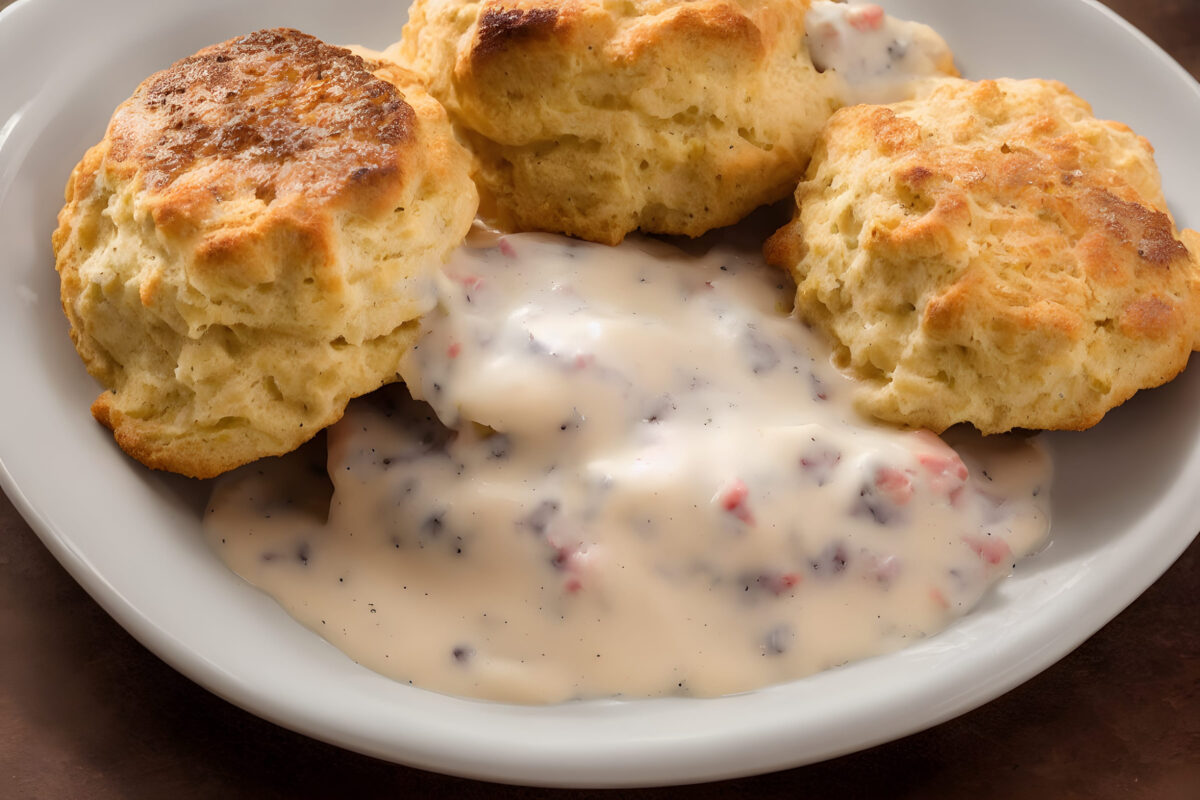
Tell someone unfamiliar with American cuisine that breakfast is “biscuits and gravy,” and they might imagine cookies covered in brown meat sauce.
The reality is very different. American biscuits are soft, savory quick breads. In one familiar version, they are split and covered with creamy gravy containing crumbled breakfast sausage.
Biscuits and gravy are closely associated with Southern and Appalachian cooking. Food historians generally connect the dish to inexpensive, filling meals prepared for working families, although its precise origin cannot be pinned to a single cook or moment. Today it is a familiar breakfast and brunch item well beyond the South.
Peanut Butter and Jelly Sandwiches
Peanut butter with fruit jelly can sound like an unusual sweet-and-salty combination, but the PB&J is one of the most recognizable American sandwiches.
A published recipe combining peanut butter and jelly appeared in the Boston Cooking School Magazine in 1901. The sandwich became increasingly practical as commercially produced peanut butter and sliced bread became widely available. Peanut butter and jelly also appeared in U.S. military food during World War II, helping reinforce the combination’s popularity.
Its appeal is simple: it is inexpensive, requires no cooking, and combines creamy, salty, sweet, and fruity flavors in one sandwich.
Chicken and Waffles
Fried chicken belongs at lunch or dinner. Waffles belong at breakfast. Put them on the same plate, however, and you have one of America’s best-known sweet-and-savory combinations.
The history is more complicated than a single origin story. Pennsylvania Dutch cooks served versions with waffles, chicken, and gravy, while the fried chicken-and-waffle combination became famously associated with Black American dining culture in Harlem. Wells Supper Club, which opened in New York in 1938, became particularly famous for serving the pairing to late-night customers and musicians.
Modern versions are often served with butter, syrup, hot sauce, or some combination of the three.
Sweet Potato Casserole With Marshmallows
Sweet potatoes already have plenty of natural sweetness, so covering them with marshmallows can seem closer to dessert than a vegetable side dish.
Yet the combination has a surprisingly long history. The Library of Congress notes that candied sweet potato dishes were well established in American cooking by the early 20th century. A 1917 recipe booklet produced for Angelus Marshmallows included mashed sweet potatoes topped with marshmallows, helping popularize the combination.
Today, versions topped with toasted marshmallows frequently appear on American Thanksgiving tables.
Related article: 5-forgotten-retro-desserts-that-were-dinner-party-showstoppers/
Jell-O Salad
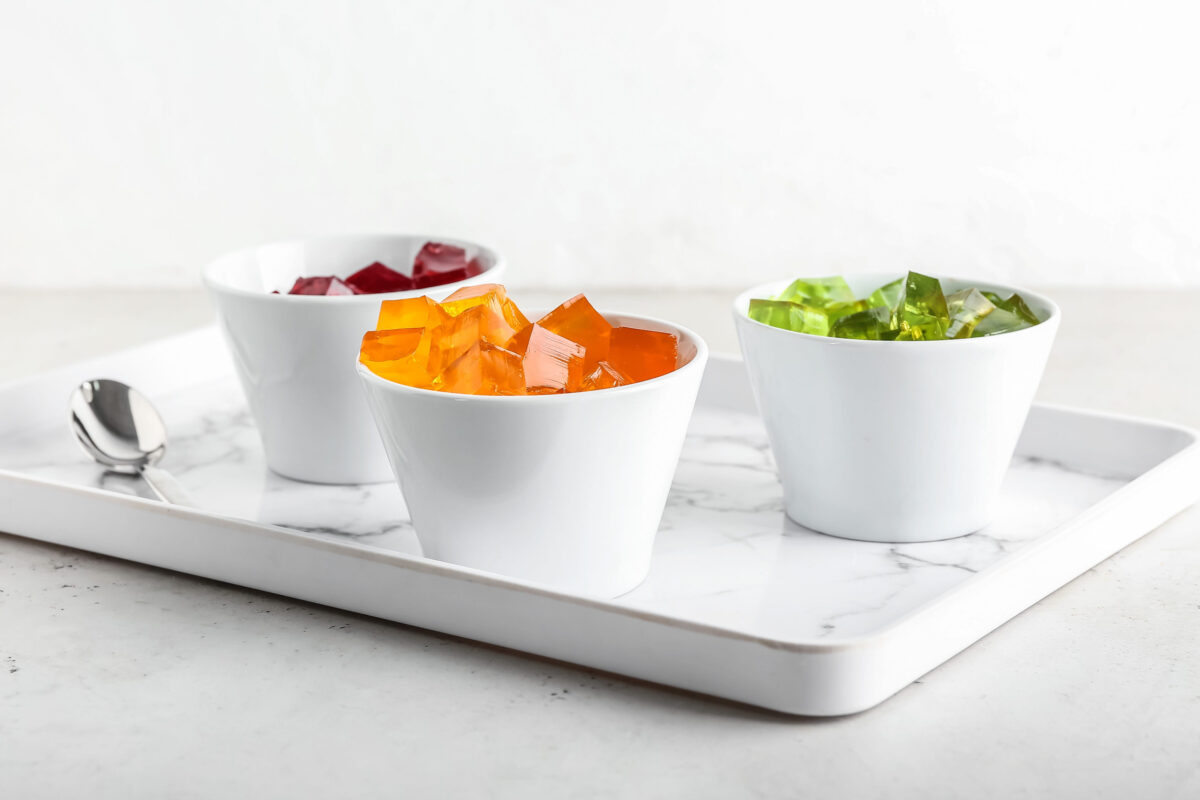
The word “salad” becomes extremely flexible when Jell-O is involved.
During the 20th century, American cooks produced molded gelatin dishes containing combinations of fruit, vegetables, mayonnaise, cheese, seafood, eggs, and other ingredients. Some were sweet, while others were unmistakably savory.
These dishes became especially prominent during the mid-20th century, when molded foods were fashionable and packaged gelatin made elaborate-looking dishes easier to prepare at home. Historical recipes include combinations that sound startling today, including gelatin with tuna, beets, sauerkraut, or hard-boiled eggs.
Although far less dominant today, Jell-O salads remain part of family and regional food traditions.
Ambrosia Salad
Ambrosia stretches the definition of “salad.”
Early versions were relatively simple combinations of ingredients such as oranges, coconut, and sugar. Recipes appeared in American cookbooks during the 19th century. Over time, variations introduced pineapple, cherries, whipped cream, sour cream, and miniature marshmallows.
That means a bowl of ambrosia can resemble fruit salad, dessert, or a creamy confection depending on the family recipe. It is particularly associated with Southern celebrations and holiday meals.
Frito Pie
Despite its name, Frito pie does not have to involve pastry or even a pie dish.
The basic idea is corn chips topped with chili, often with cheese, onions, or other additions. One especially memorable version is served directly inside a small bag of Fritos, turning the package itself into the bowl.
Fritos originated in Texas in the 1930s, and recipes using the chips as ingredients appeared early in the brand’s history. The exact origin of Frito pie is disputed, with competing stories surrounding its development.
Whatever its precise birthplace, eating chili from a bag of corn chips remains wonderfully confusing to the uninitiated.
Corn Dogs
A sausage coated in cornmeal batter, deep-fried, and served on a wooden stick sounds more like fairground engineering than conventional cooking.
That is the charm of the American corn dog.
Several businesses have claimed roles in inventing or popularizing it, so assigning a single inventor is difficult. Records show that Fletcher’s began selling its famous Corny Dogs at the State Fair of Texas in 1942, helping establish the food as a classic American fairground snack.
The stick makes the entire battered sausage portable, which is ideal when walking around a crowded fair.
The Fluffernutter
Take two slices of bread. Spread peanut butter on one side and marshmallow creme on the other. Put them together.
That is a Fluffernutter, a sandwich strongly associated with New England, particularly Massachusetts.
Marshmallow Fluff itself has roots in Massachusetts. Archibald Query was producing a marshmallow creme in Somerville by 1917, and H. Allen Durkee and Fred L. Mower later purchased his formula and developed the Marshmallow Fluff business.
The combination of sticky marshmallow creme and salty peanut butter may sound more like cake filling than lunch, but that contrast is exactly the point.
American Cheese
Visitors sometimes find “American cheese” confusing because the name doesn’t refer to one traditional cheese variety the way cheddar or Parmesan does.
Under U.S. regulations, certain pasteurized process cheeses made from cheeses including cheddar, Colby, washed curd cheese, or granular cheese can be labeled “pasteurized process American cheese.”
The familiar individually wrapped slices are prized largely for consistency and easy melting, which explains their frequent appearance on cheeseburgers and grilled cheese sandwiches.
Cheese From a Can
If processed cheese slices seem unusual, aerosol-style cheese takes convenience one step further.
Easy Cheese is a pasteurized cheese snack dispensed from a can through a nozzle. Its current ingredient list includes whey, canola oil, milk protein concentrate, cheddar cheese, milk, and other ingredients used for texture, preservation, and flavor. The manufacturer markets it for crackers, pretzels, nachos, and other snacks.
For people accustomed to cutting cheese from a wheel or block, drawing a cheese spiral directly from a can can be an unforgettable introduction to American snack-food culture.
Deep-Fried Butter
American state fairs have developed a reputation for asking a dangerous culinary question: “Can we deep-fry it?”
Butter eventually received the treatment.
At the 2009 State Fair of Texas, vendor Abel Gonzales Jr. introduced deep-fried butter and won the fair’s Most Creative award. The preparation involved freezing butter, enclosing it in dough or batter, and frying it to create a crisp exterior around melted butter.
It was never intended to replace an everyday meal. Deep-fried butter belongs to the tradition of extravagant fair food, where spectacle is almost as important as flavor.
American Food Is Supposed to Be Complicated
What makes these foods interesting is not simply that they seem strange. Each reflects a piece of American food history. Some developed from economical working-class meals, some grew through advertising and industrial food production, and others emerged from regional traditions or the anything-goes atmosphere of state fairs.
To someone raised with them, biscuits and gravy or a peanut butter and jelly sandwich can feel completely ordinary. To someone encountering them for the first time, they may require an explanation.
That difference is part of what makes exploring another country’s food so interesting. One culture’s bizarre combination is another culture’s comfort food.
Other articles you may like:
– no-tillamook-didnt-just-make-its-cheese-halal-it-always-was/
– 10-delicious-cheese-types-perfect-for-boards-and-cooking/
– 7-best-things-to-put-in-a-salad-for-flavor-and-nutrition/