Michelle Obama Apple Pay backlash reveals a deeper battle over privacy, privilege, and digital trust
A single comment about a smartphone payment method has sparked a national conversation about technology, wealth, and personal privacy. The Michelle Obama Apple Pay backlash began after the former first lady said she avoids using Apple Pay because she does not want to be tracked, but the reaction quickly moved beyond digital wallets. The debate now reflects a larger American concern about how much personal information people surrender in exchange for convenience.
During a conversation with Amy Poehler on the Good Hang podcast, Michelle Obama explained that she remains cautious about relying too heavily on her phone. She expressed concerns about personal information being collected and shared, adding that she prefers keeping cash available as a backup. What appeared to be a simple personal preference became a broader argument about privacy, privilege, and whether powerful public figures understand everyday experiences.
The Michelle Obama Apple Pay backlash reveals a growing tension in modern society. Consumers depend on digital systems for banking, shopping, communication, and identity verification, yet many remain uncertain about who controls their data. The controversy has become a symbol of a much larger debate about trust in technology.
A casual podcast comment turned into a national privacy debate
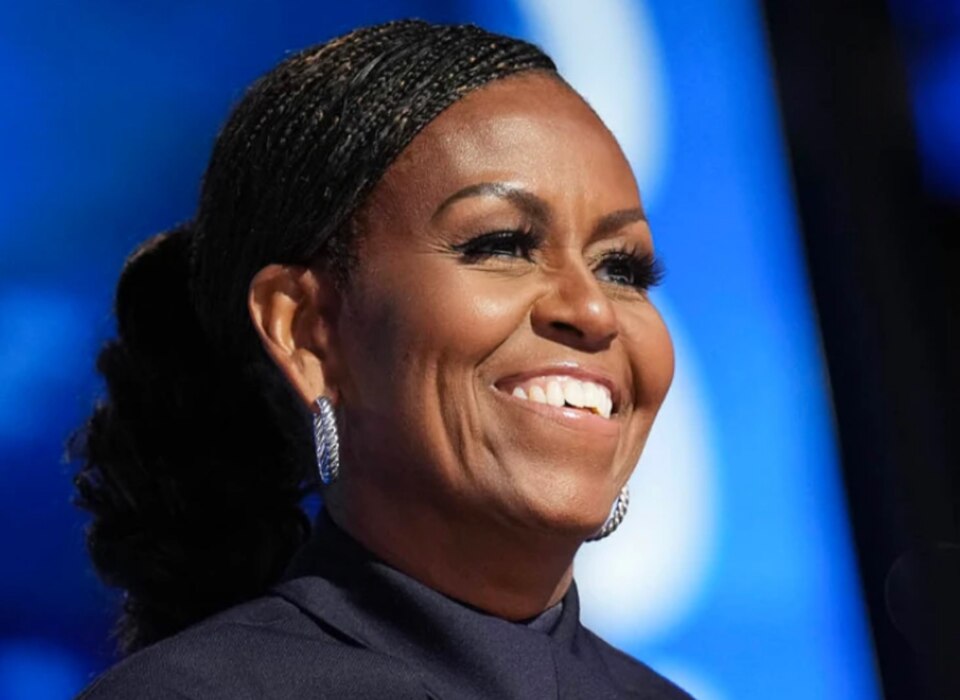
The discussion began when Michelle Obama appeared on Amy Poehler’s podcast in 2025. During the conversation, Poehler mentioned the growing popularity of phone-based payments and noted that many people now use digital wallets instead of traditional cards. Obama responded by explaining that she avoids some digital habits because she worries about being tracked.
Her remarks were not presented as a detailed criticism of Apple Pay itself. Instead, they reflected a broader concern about the amount of personal information generated through smartphones. For many consumers, that concern is familiar because phones now record everything from shopping activity to location data and online behavior.
However, the Michelle Obama Apple Pay backlash quickly shifted away from technology and toward questions about her lifestyle. Critics focused on her admission that she rarely shops and sometimes struggles with modern payment habits. They argued that someone with significant wealth and security resources experiences privacy differently from ordinary Americans.
The reaction highlights a challenge faced by many public figures. Personal choices that would normally remain private can become symbols of larger cultural disagreements. A decision about how to pay for groceries suddenly became connected to debates about wealth, politics, and trust.
The controversy also demonstrates how quickly online discussions can transform. A short podcast clip can become a national conversation when audiences attach broader meanings to a celebrity’s words. In this case, the payment method became less important than the questions surrounding it.
The privilege question changed how Americans heard Michelle Obama’s message
The strongest criticism against Michelle Obama focused on the gap between her experience and that of average consumers. Critics argued that privacy concerns sound different when they come from someone with financial security, professional assistance, and protection that most Americans do not have.
Millions of Americans use digital payments because they need convenience. Mobile banking, contactless payments, and online transactions are not simply lifestyle choices for many households. They are practical tools that help people manage work, bills, transportation, and daily expenses.
This difference explains why the Michelle Obama Apple Pay backlash became so emotional. Some people heard a reasonable warning about technology. Others heard a wealthy public figure expressing concern about a problem that ordinary citizens cannot easily avoid.
The criticism reflects a broader distrust toward celebrities and politicians discussing common struggles. Public figures often face questions about whether they truly understand issues affecting families who live with tighter budgets and fewer options.
Yet wealth does not automatically make a privacy concern invalid. A person’s financial situation does not determine whether companies collect data or whether digital systems create risks. Privacy questions remain relevant regardless of who raises them.
The deeper issue is perception. When influential people discuss technology, security, or finances, audiences often judge the message through the lens of the speaker’s personal circumstances. That dynamic shaped much of the reaction to Michelle Obama’s comments.
Apple Pay became the target, but the real issue is digital dependence
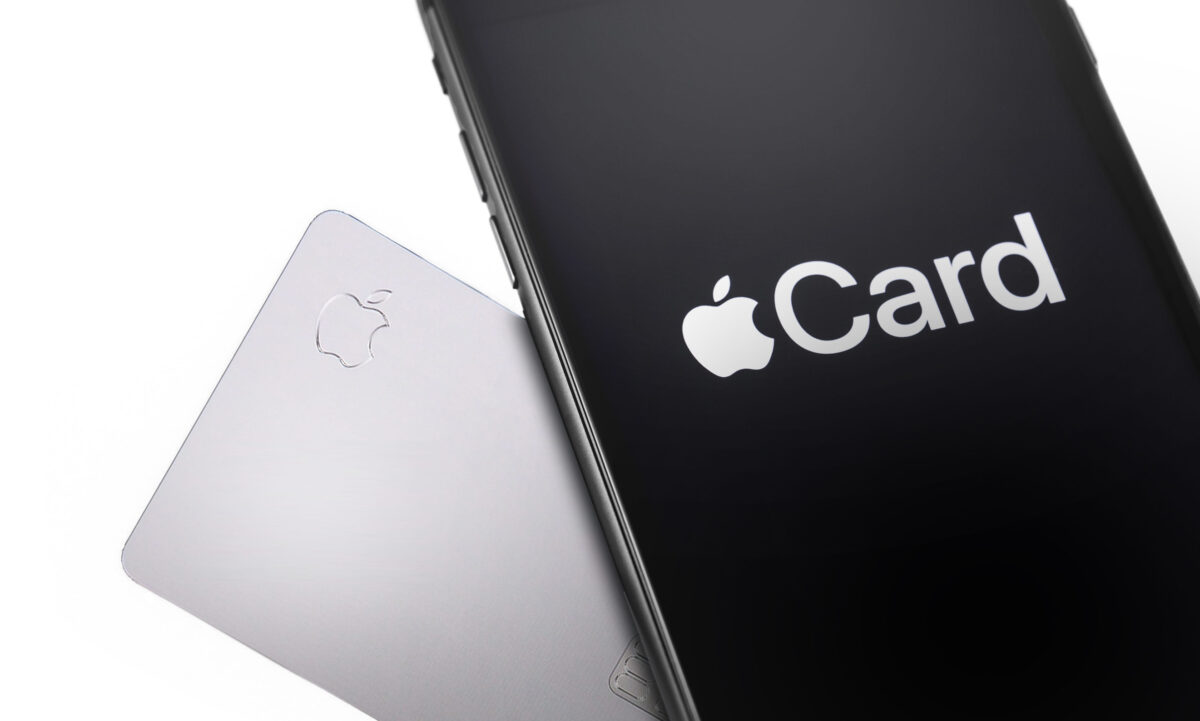
Much of the criticism surrounding the Michelle Obama Apple Pay backlash focused on whether Apple Pay actually tracks users. The answer is more complicated than either supporters or critics suggest.
Apple Pay uses security features designed to protect payment information. Instead of sharing a user’s actual card number during transactions, the system relies on a device-specific account number and transaction-specific security codes. This process reduces the risk of criminals obtaining reusable payment details.
However, privacy experts often point out that payment security and digital privacy are different issues. A transaction can be protected while still becoming part of a larger digital record involving banks, merchants, payment networks, and consumer platforms.
This distinction explains why many people remain uneasy about digital payments. Their concern is not always that one company has unlimited access to everything. Instead, they worry about the complicated ecosystem of organizations that collect, process, and analyze personal information.
The modern consumer leaves behind a digital trail almost everywhere. Grocery purchases, online searches, location services, loyalty programs, and banking activity can all contribute to a detailed picture of personal behavior.
The challenge is that many consumers do not fully understand how these systems connect. Privacy agreements are often lengthy and complicated, making it difficult for ordinary users to know exactly what information they are sharing.
The Apple Pay debate therefore represents a much larger issue. The question is not simply whether one payment method is safe. The question is whether people feel they still have meaningful control over their own information.
Michelle Obama’s cash comment exposed America’s fear of system failure
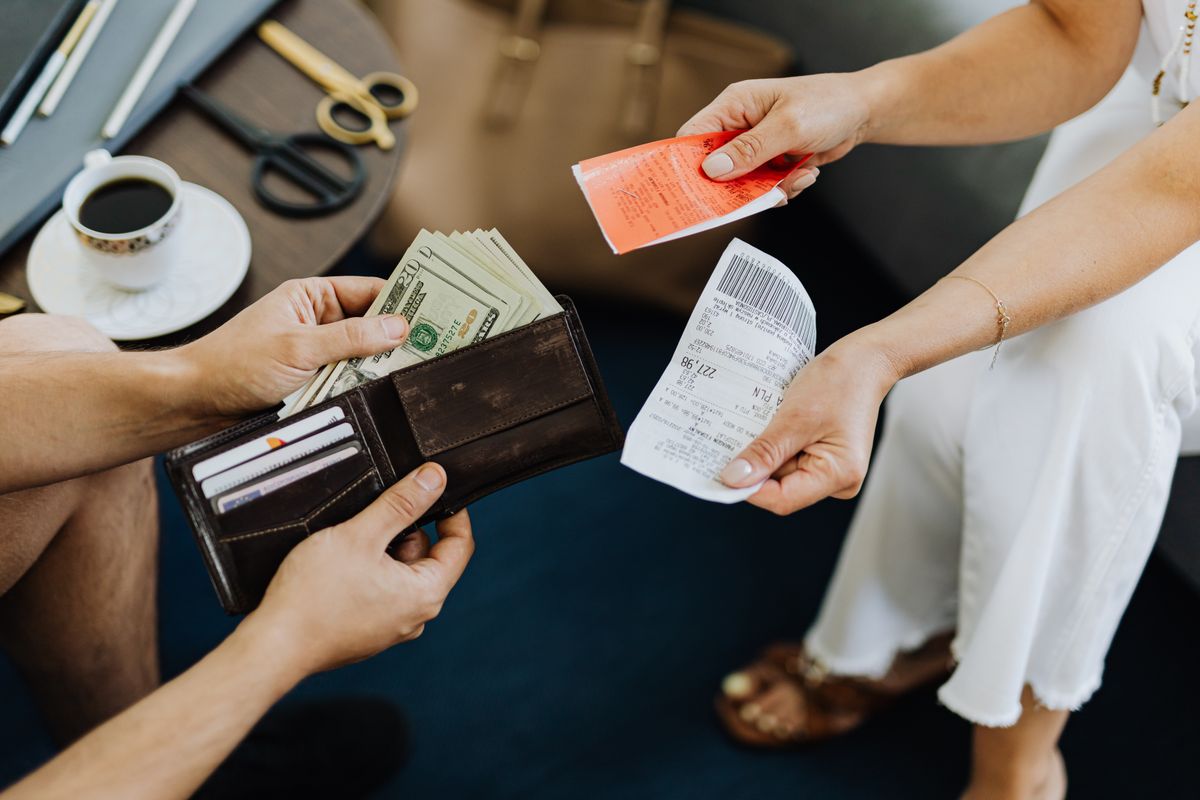
Another major part of the controversy came from Michelle Obama’s statement that she keeps cash available and has carried money in her wallet for years without using it. Critics viewed the comment as evidence that she was disconnected from everyday shopping habits.
However, the popularity of cash during emergencies shows why some people continue to value physical currency. Cash does not depend on internet connections, mobile networks, bank systems, or device batteries. During outages or technical failures, physical money can still function.
Recent disruptions affecting payment systems and financial services have reminded consumers that digital infrastructure is not immune to problems. Even advanced systems can experience failures caused by cyberattacks, technical errors, or network disruptions.
At the same time, cash has clear limitations. It can be lost, stolen, or difficult to use for online transactions. Most modern consumers cannot completely avoid digital payments because so many services now require electronic systems.
The debate is therefore not about choosing cash over technology. It is about maintaining balance. Many financial experts recommend having multiple payment options rather than depending entirely on one system.
The Michelle Obama Apple Pay backlash revealed a larger concern about dependence. As society becomes more digital, people are increasingly asking what happens when technology fails or when access to digital accounts is interrupted.
Secret Service protection created another layer of criticism
The controversy expanded when critics pointed to Michelle Obama’s security arrangements. Some argued that someone protected by armed Secret Service personnel has a different understanding of safety and privacy compared with ordinary Americans.
The criticism connects to a broader debate involving public figures who support stronger firearm regulations while receiving professional protection. Opponents argue that powerful individuals often experience security differently from the citizens affected by their policies.
Supporters of the Obamas respond that Secret Service protection exists because of the unique risks associated with former presidential families. Federal security personnel operate under strict training and legal authority, making their role different from ordinary private firearm ownership.
Still, the criticism reveals why public figures often struggle to communicate effectively about security issues. People who live with professional protection may find it difficult to convince others that they understand the fears of those without similar resources.
The same pattern appeared in the Michelle Obama Apple Pay backlash. Critics did not only challenge the facts of her argument. They questioned whether her personal circumstances allowed her to relate to the concerns of average Americans.
That distinction matters because public debates are often shaped by emotion as much as evidence. A message can be technically accurate but still face resistance if audiences believe the speaker does not share their reality.
Obama-era surveillance debates returned after the controversy
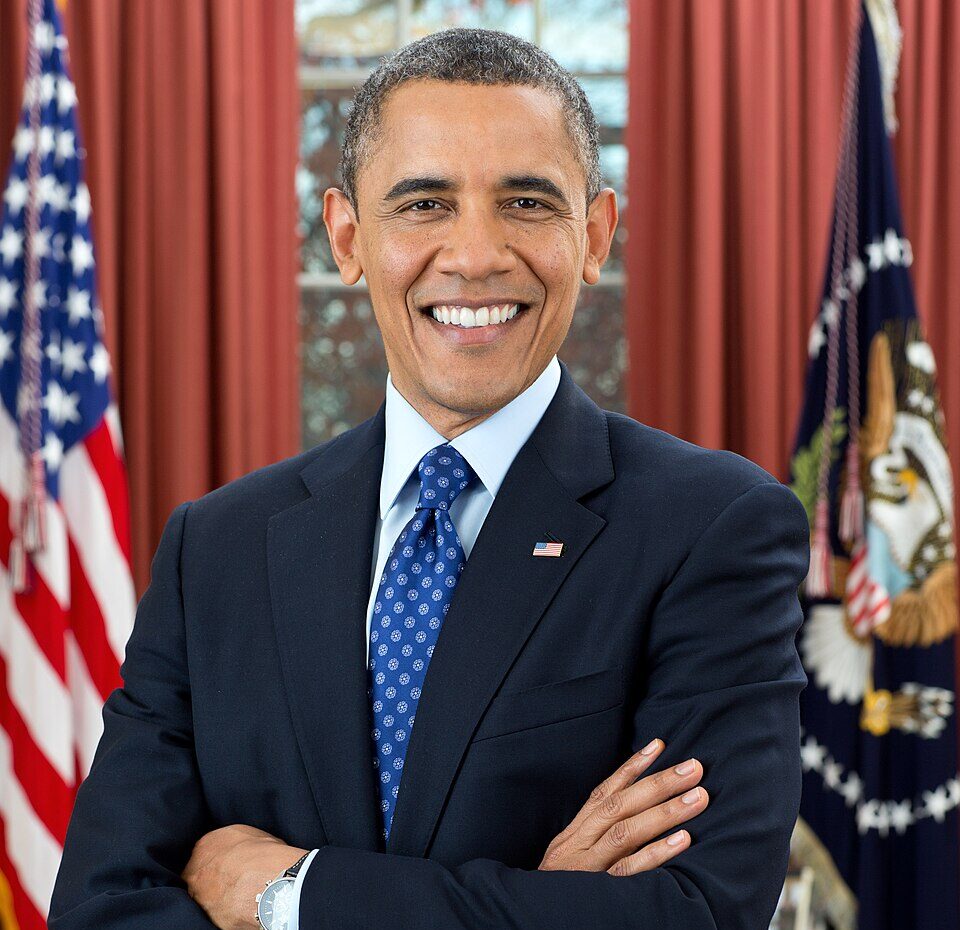
The discussion also revived criticism connected to Barack Obama’s presidency and government surveillance programs. Some critics argued that Michelle Obama’s concerns about tracking appeared inconsistent with surveillance policies supported during her husband’s administration.
The debate references controversies surrounding the Foreign Intelligence Surveillance Act and National Security Agency programs. Edward Snowden’s 2013 disclosures increased public awareness about government surveillance and created a major national discussion about privacy and security.
The history, however, is complex. Surveillance authorities existed before Barack Obama entered the White House and continued after his presidency. The debate involved difficult questions about protecting national security while preserving civil liberties.
The Michelle Obama Apple Pay backlash shows how personal comments from political families often become connected to broader historical debates. A statement about personal technology can quickly become linked to government policy and ideological arguments.
Critics may see a contradiction between concerns about tracking and previous support for surveillance programs. Supporters may argue that personal privacy concerns remain valid regardless of political history.
The issue reflects a long-running American tension between security and freedom. Citizens often want protection from threats while also wanting limits on government and corporate access to personal information.
The real conflict is between convenience and control
The strongest lesson from the Michelle Obama Apple Pay backlash is that Americans are struggling with a fundamental question about modern life. Technology provides speed and convenience, but it also creates new concerns about control and transparency.
Digital wallets, smartphones, and online services have improved daily life in countless ways. They make payments faster, reduce fraud risks, and allow consumers to manage finances from almost anywhere.
Yet convenience can create dependence. When people rely on digital systems for essential activities, they become more vulnerable to outages, security breaches, and decisions made by companies they cannot directly control.
This is why privacy remains such a powerful issue. People do not necessarily want to abandon technology. They want clearer information about how their data is collected, stored, and used.
The debate surrounding Michelle Obama’s Apple Pay comments became larger because it touched on a concern shared across generations and political groups. Americans may disagree about the solution, but many recognize that digital trust has become one of the defining issues of modern life.
The controversy will likely fade from headlines, but the question behind it will remain. As technology becomes more deeply connected to everyday existence, society must decide how much convenience is worth and how much control people are willing to give away. The Michelle Obama Apple Pay backlash was never only about a payment app. It was about a growing struggle over privacy, power, and trust in a digital age.