14 Grocery Store Staples That Instantly Take You Back to the 1980s
Walk into an American supermarket in the 1980s, and you’d find plenty that feels familiar today: cereal boxes, canned soup, peanut butter, frozen vegetables, soda, crackers, and enough ketchup to rescue even the driest hamburger.
But the grocery store was changing.
By 1987, supermarkets accounted for only a little more than 20% of grocery-store outlets, yet they drove roughly 80% of grocery-store sales. Bigger stores added departments and services, though the experience varied considerably by chain and region.
So what might actually have landed in a shopper’s cart?
Here are 14 wonderfully ordinary grocery staples that help recreate the flavor of an ’80s supermarket trip.
Kellogg’s Corn Flakes
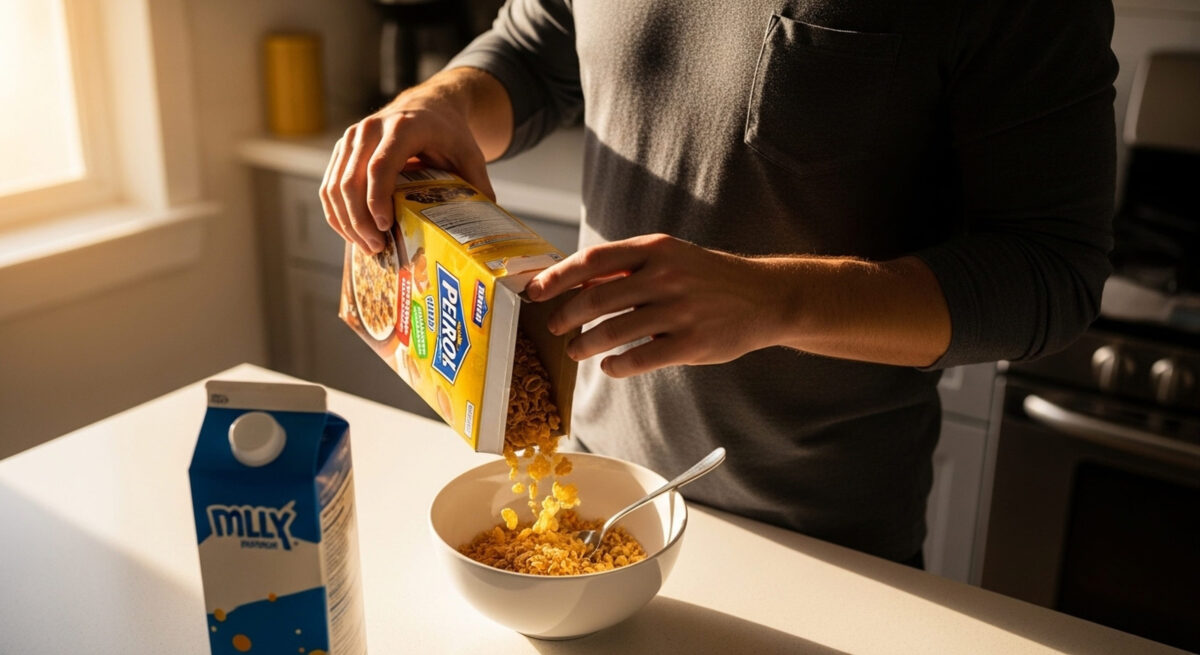
No complicated breakfast strategy required: pour cereal, add milk, eat.
Corn Flakes were already an old-timer by the 1980s. Kellogg’s traces commercial production to 1906, but they were still showing up in grocery advertising decades later. A 1985 New Jersey price collection listed an 18-ounce box for $1.
Not a national average, mind you. Just a fascinating little window into what one shopper might have encountered.
Campbell’s Condensed Soup
Few pantry items feel more classic than a stack of Campbell’s cans.
A 1985 listing offered three 10-ounce cans for 99 cents. Campbell’s condensed soup dates back to the 1890s, but the company wasn’t coasting on nostalgia. During the ’80s, its advertising included network prime-time television, strategically timed radio spots and regional marketing.
Soup wasn’t just lunch, either. It could become a sauce, casserole ingredient, or emergency dinner when nobody felt like cooking.
Kraft Singles
Individually wrapped cheese slices were practically engineered for busy sandwiches.
Kraft Singles had been appearing in stores since the 1960s, and a six-ounce package was advertised for 99 cents in the 1985 records.
Their biggest advantage was obvious: unwrap, place on bread or burger, done.
Ritz Crackers
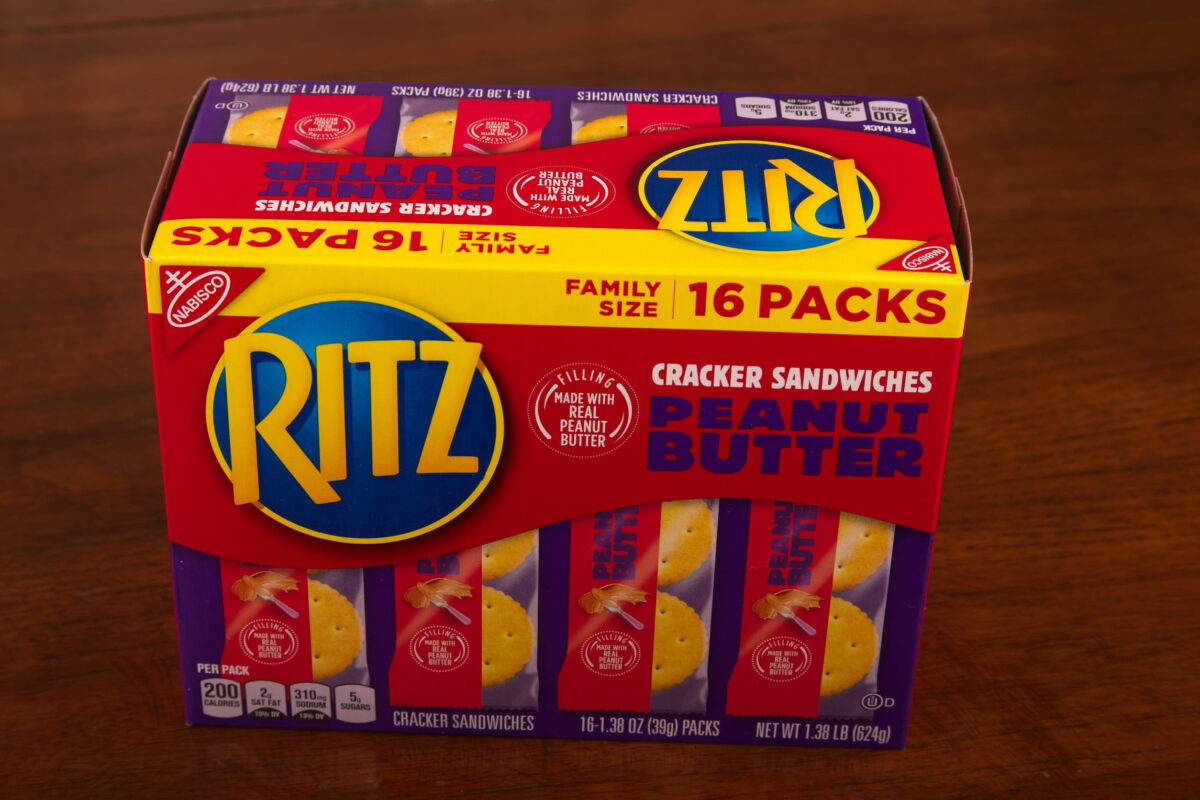
Ritz had already been around for decades, but its role was timeless: snack food, lunchbox filler, party tray companion and edible delivery system for cheese.
A one-pound box appeared for $1.39 in the same 1985 collection.
That’s also a good reminder that many “’80s foods” weren’t actually invented during the decade. They were older products that remained firmly planted in everyday grocery shopping.
Heinz Tomato Ketchup
Burgers? Ketchup.
Hot dogs? Ketchup.
Fries? Obviously ketchup.
A 28-ounce bottle of Heinz was advertised for $1.59 in 1985. Heinz tomato ketchup itself dated back more than a century by then, making it less of an ’80s novelty and more of a permanent refrigerator resident.
Skippy Peanut Butter
For families packing lunches, peanut butter was about as practical as groceries got.
An 18-ounce jar of Skippy appeared at $1.49 in the 1985 records. Add bread and jelly, and you had a school lunch with approximately zero culinary drama.
Pepsi
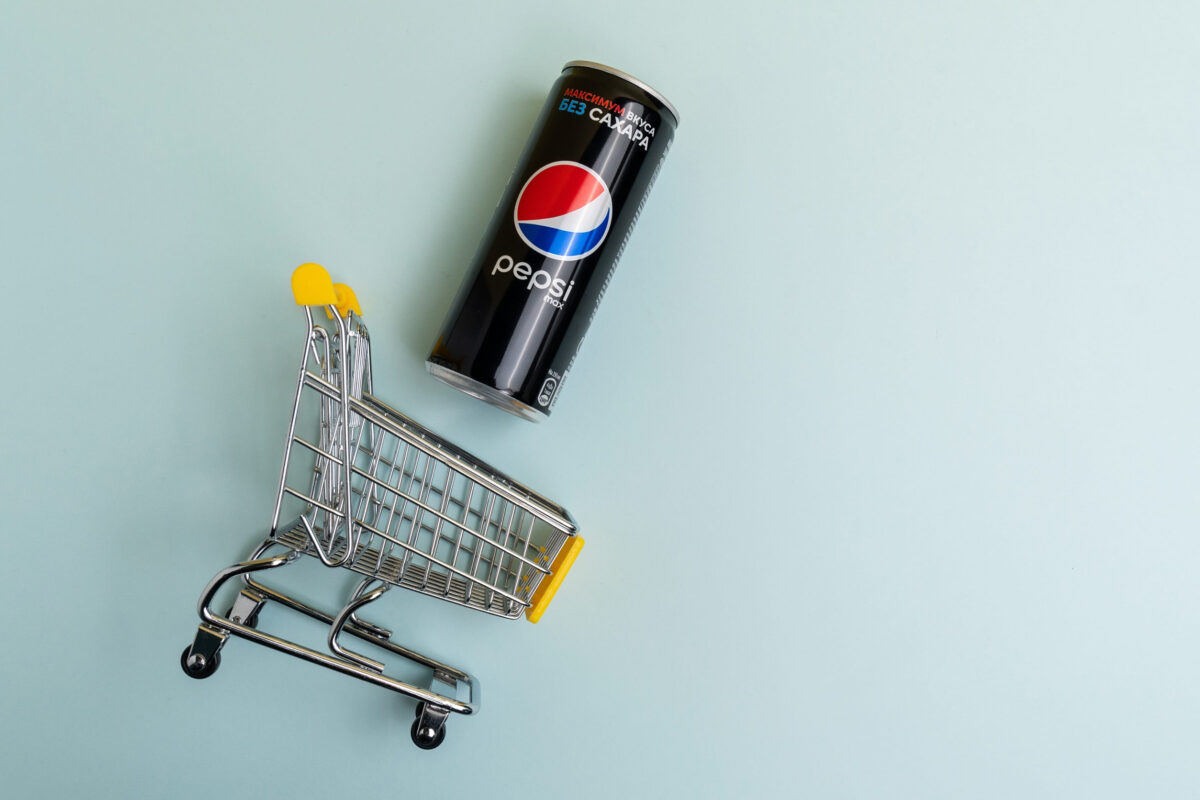
Now things get considerably more pop-culture-heavy.
A two-liter bottle of Pepsi cost 89 cents in 1985, while the brand’s advertising worked hard to connect cola with youth culture. Its 1984 “Choice of a New Generation” campaign famously featured Michael Jackson and music adapted from “Billie Jean.”
That doesn’t prove everybody bought Pepsi, of course. But it does show how grocery products and mass entertainment were increasingly sharing the same cultural stage.
Chicken of the Sea Tuna
A 6.5-ounce can for 59 cents gave shoppers an easy ingredient for tuna sandwiches, salads and casseroles.
It’s the sort of product that captures an important side of ’80s convenience: not everything came as a frozen dinner.
Some convenience foods were shelf-stable ingredients that could turn into lunch in five minutes.
Pillsbury Flour
Yes, people still baked.
A five-pound bag of Pillsbury flour was listed for just 69 cents in the 1985 collection.
Its inclusion matters because an accurate ’80s grocery cart shouldn’t look like nothing but soda, frozen meals, and brightly branded snack boxes. Traditional baking ingredients were still very much part of supermarket life.
Tropicana Orange Juice
Breakfast wasn’t complete without something cold from the refrigerated case.
A 1985 promotion listed two 64-ounce Tropicana containers for $3. The research doesn’t confirm whether those particular containers were bottles or cartons, so it’s best not to get overly specific when recreating the scene.
The important part: chilled branded orange juice was firmly in the mix.
Lean Cuisine
Now we get to something genuinely new for the decade.
Stouffer’s Lean Cuisine launched in 1981, making it a particularly useful example of the changing frozen-food aisle.
Frozen meals were evolving rapidly during the decade, with Banquet introducing Light & Elegant in 1983 and other microwave-suitable packaging appearing later. But there’s an important historical catch: don’t imagine every frozen dinner in 1980 as a modern microwave meal.
Hamburger Helper
The appeal was practically built into the concept.
Buy the boxed mix, add ground beef, and suddenly dinner looked a lot more manageable.
Hamburger Helper had existed before the ’80s, but it nicely represents a form of convenience that sat somewhere between scratch cooking and a fully prepared meal.
Birds Eye Frozen Vegetables
Frozen vegetables deserve a place in the freezer aisle, but there’s an interesting twist: famous national brands weren’t the whole story.
Researchers found that store brands accounted for 65% of sales of frozen green and wax beans in the category examined in 1989. That statistic doesn’t apply to all frozen foods, but it’s a useful reminder that a historically believable ’80s freezer shouldn’t be filled exclusively with famous logos.
Kraft Macaroni & Cheese Dinner
Few boxed foods scream “easy dinner” quite like macaroni and cheese.
Kraft’s boxed dinner was already well established before the decade began. Available research doesn’t confirm a specific 1980s package design or price, so treat memories of the exact box carefully unless backed by a dated ad.
Still, as a quick meal or side dish, it fits comfortably into the broader story of packaged convenience.
The Checkout Was Changing Too
Even paying for groceries could feel increasingly futuristic.
The first supermarket UPC scan actually happened back in 1974, not the 1980s. By January 1985, one study cited in the research reported that about 29% of U.S. supermarkets were using scanners.
In other words, that familiar “beep” at checkout was spreading, but it still wasn’t universal.
And that may be the best way to picture the 1980s supermarket overall: familiar, but in transition.
You could still fill your cart with soup, flour, crackers and peanut butter, while nearby frozen dinners, celebrity advertising and barcode scanners hinted at where grocery shopping was headed next.
Other Posts You May Like
- The Grocery Store Switch That Could Help Americans Cut Food Costs Without Giving Up Dinner at Home in 2026
- 8 Grocery Store Tricks Nutritionists Use to Shop Smarter
If you like what you just read, then subscribe to our newsletter and follow us on social media.