12 Restaurant Orders You Might Want to Think Twice About
Eating out is supposed to be fun. You sit down, somebody else does the cooking, and best of all, you don’t have to stare at a sink full of dishes afterward.
But experienced chefs and food safety experts will tell you that not every menu choice deserves the same level of enthusiasm.
That doesn’t mean you should walk into your favorite restaurant suspicious of everything from the bread basket to the cheesecake. Many famous “never order this” rules are exaggerated, outdated, or based on one chef’s personal experience rather than hard evidence. The more useful approach is knowing which foods come with genuine safety considerations, which deserve a quick question, and which are simply questionable value.
Here are 12 orders worth thinking twice about.
Raw oysters
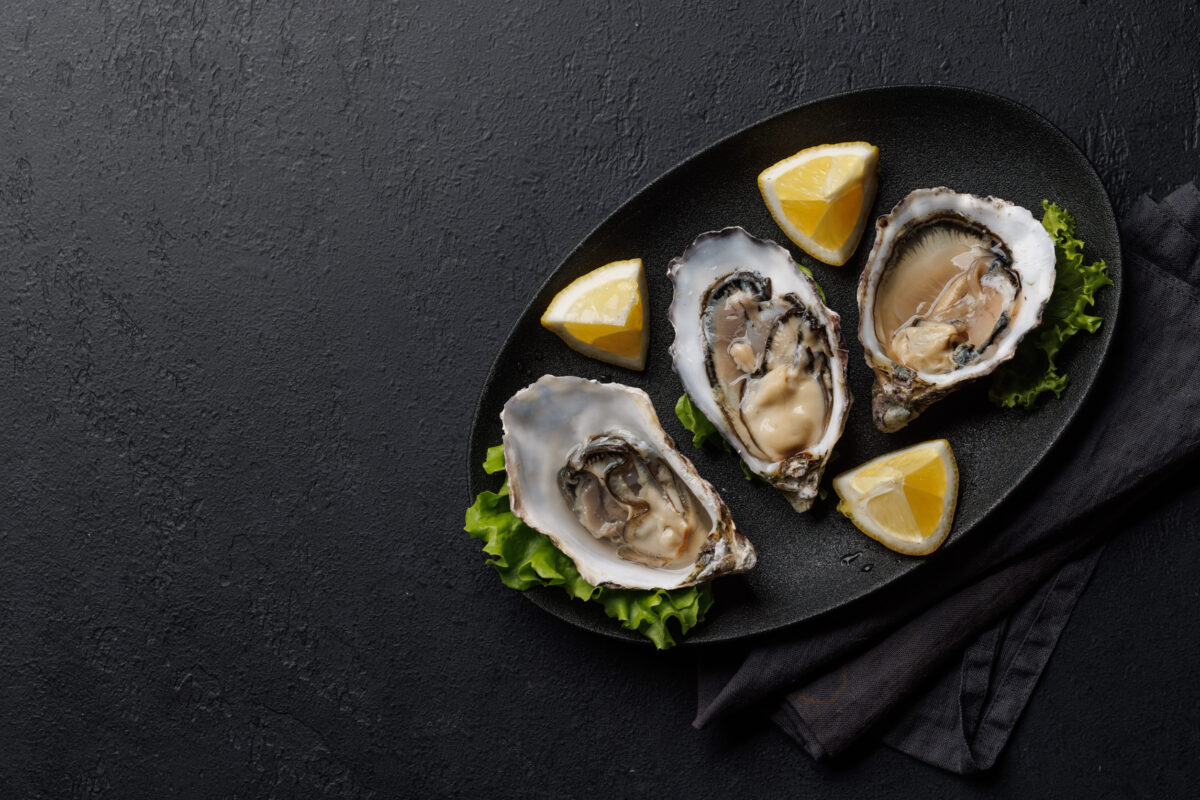
Raw oysters can be fantastic, but they come with a real risk that no amount of lemon juice or hot sauce can eliminate. The CDC warns that raw oysters may carry Vibrio bacteria, and cooking, not alcohol, citrus, or condiments, is what kills the organism.
The risk matters especially for people with liver disease or weakened immune systems, although anyone can become ill. A reputable oyster bar can provide better sourcing, storage, and traceability, but raw oysters are never completely risk-free.
A rare burger
Ordering steak rare and ordering a burger rare are not quite the same thing.
Grinding meat can distribute contamination throughout it, which is why USDA guidance recommends cooking ground meat to 160°F. Whole beef steaks, chops, and roasts have a different recommendation: 145°F followed by a three-minute rest.
So if you love a pink steak, great. Just don’t assume the same food safety logic automatically applies to a pink burger.
Raw sprouts
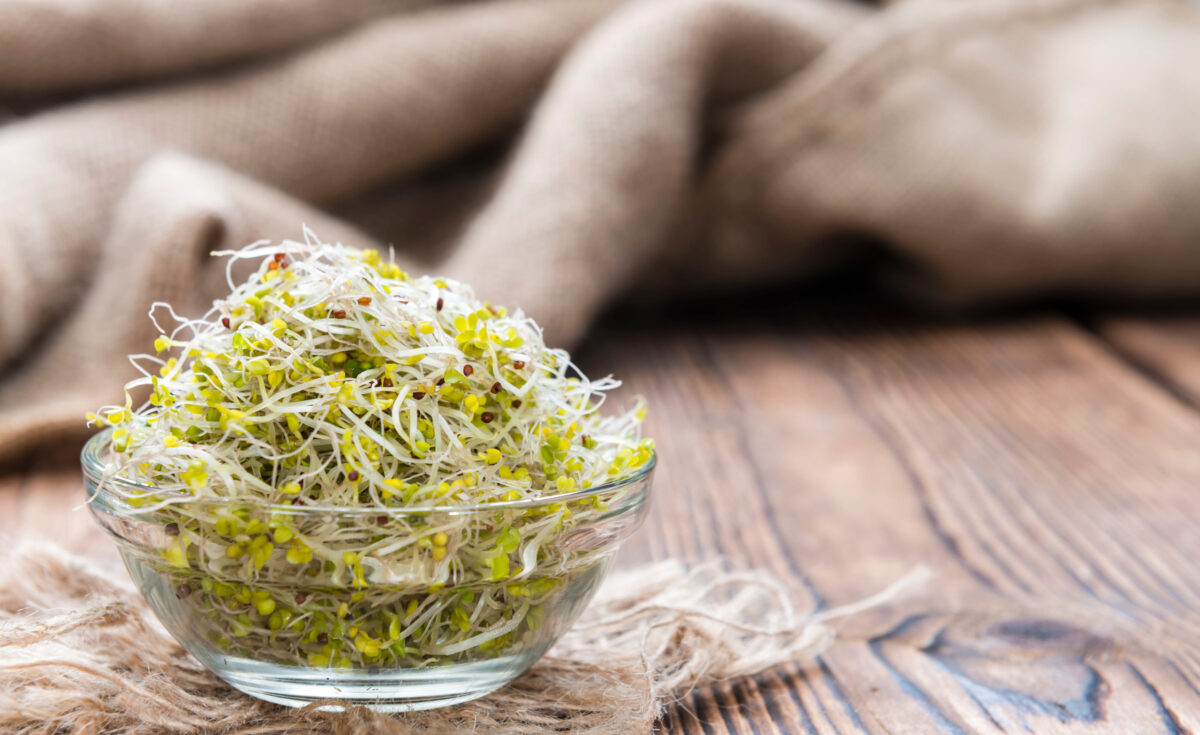
That innocent-looking pile of sprouts on your sandwich can carry more risk than you might expect.
CDC guidance identifies raw or undercooked sprouts as a higher-risk food, particularly for people more vulnerable to serious foodborne illness. The important point is that this isn’t necessarily a sign of a dirty restaurant. Contamination can occur before the sprouts ever reach the kitchen.
Sushi from a place that barely serves sushi
Sushi, sashimi, poke, and ceviche all involve raw or lightly processed seafood, meaning there is no full cooking step to kill every potential pathogen.
Specialist sushi restaurants may have strong sourcing, fast turnover, and careful handling. That is very different from ordering raw fish at a restaurant where seafood seems like an afterthought.
FDA freezing procedures can control certain parasites, but freezing does not eliminate every possible bacterial hazard. Citrus-marinated ceviche is not magically “cooked” into complete safety either.
Buffet food that looks like it has been sitting there forever
A buffet itself isn’t dangerous. A badly managed buffet is another story.
FDA consumer guidance says hot buffet foods should generally stay at 140°F or above, while cold foods should remain at 40°F or below. Perishable foods left at room temperature too long can become a problem.
Instead of judging the restaurant by price or appearance, look at the food. Are cold dishes actually chilled? Are hot trays steaming? Are foods being replenished and handled properly? Those clues are more useful than assuming every buffet is risky.
Fish that smells aggressively “fishy”
Fresh fish should smell mild.
A sour, ammonia-like, or unusually strong fish odor is a much more useful warning sign than an old rule such as “never order fish on Monday.” Government seafood guidance specifically identifies these odors as reasons not to eat seafood.
One important catch: smell cannot prove food is safe. Dangerous contamination does not always announce itself with a terrible odor.
Seafood at a restaurant with little seafood turnover
This is less of a hard safety rule and more of a sensible quality question.
Chef William Milian has said he is cautious about seafood at restaurants that are not known for it because fish is sensitive to time and temperature. But that does not mean a neighborhood restaurant automatically serves bad fish. It may have excellent suppliers and storage.
The practical move? Consider the restaurant’s specialty and, if you are unsure, ask what came in fresh.
The mysterious seafood special
“Special” can mean several things.
It might be a chef showing off a fantastic seasonal ingredient. It might also be a smart way for the kitchen to use inventory before its quality declines. Chefs interviewed in the research described both possibilities.
So don’t automatically avoid the special. Ask the useful question: “What makes it special today?” If the answer is that the fish arrived that morning, you may have found the best dish in the restaurant.
Hollandaise made with questionable egg handling
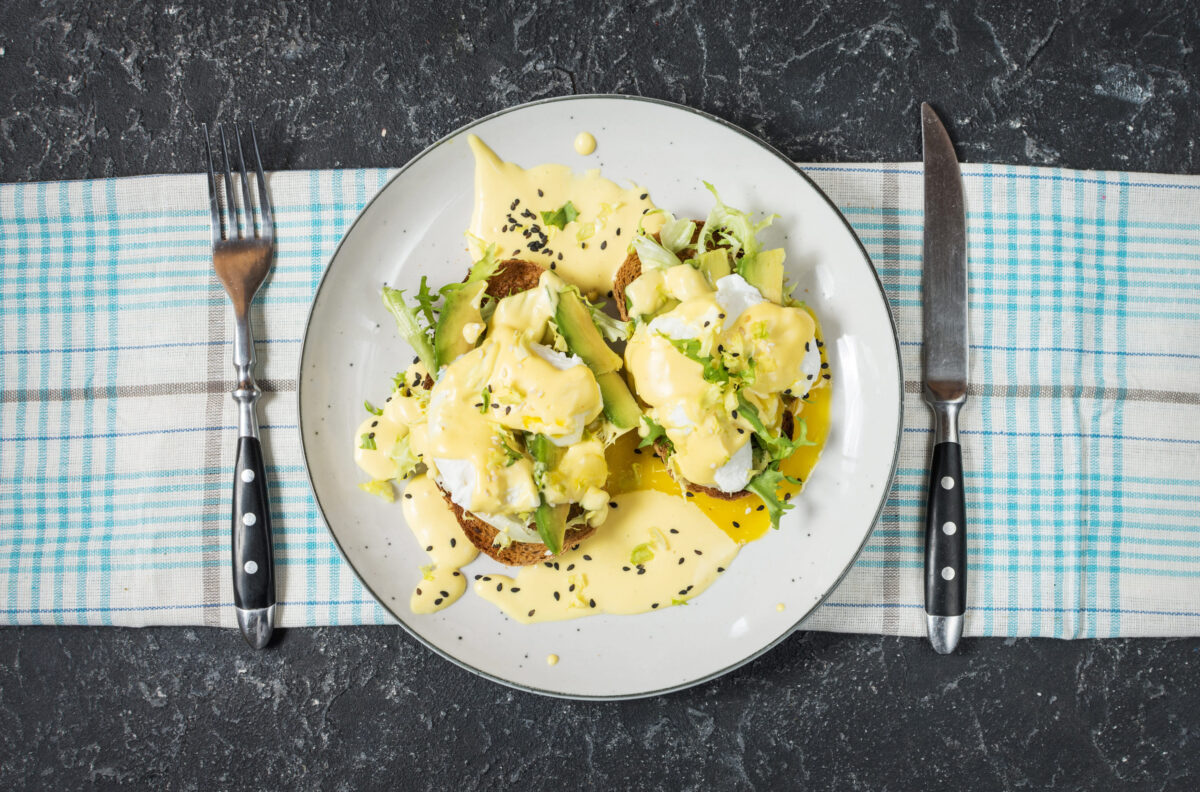
Eggs Benedict fans do not need to panic.
The real issue is how the sauce is prepared and held. FDA guidance recommends pasteurized eggs or egg products for preparations such as hollandaise, béarnaise, Caesar dressing, and mayonnaise when they will not be thoroughly cooked.
One chef in the research specifically warned about hollandaise held lukewarm for extended periods. That is a handling problem, not proof that every brunch kitchen is serving dangerous sauce.
Runny eggs if you’re in a higher risk group
For many diners, runny eggs are a calculated preference. For others, they deserve more caution.
CDC guidance identifies raw or undercooked eggs as a higher-risk food, particularly for pregnant people, young children, adults 65 and older, and people with weakened immune systems. Pasteurized eggs can change that risk equation.
Unpasteurized dairy in an uncooked dish
The key word here is unpasteurized.
You do not need to fear every soft cheese on a menu. Instead, find out whether the milk was pasteurized, especially if you are pregnant or otherwise at higher risk of serious foodborne illness.
The research specifically cautions against turning evidence about raw milk into a blanket claim that restaurant cheese is unsafe.
The wildly overpriced “luxury” dish
Finally, a warning that has nothing to do with food poisoning.
Several chefs in the research questioned the value of heavily marked-up dishes involving ingredients such as truffle oil, luxury burger toppings, or expensive twists on basic comfort food.
That’s personal judgment, not a safety rule. If you adore truffle oil mac and cheese, order it proudly. Just remember that words like “luxury,” “truffle,” and “premium” do not automatically mean you are getting better cooking.
And while we’re killing restaurant myths, the famous “never order fish on Monday” rule deserves to be retired. Anthony Bourdain’s original warning came from a particular kitchen and delivery system he described in 1999, not a universal restaurant law. The better question today is about sourcing, turnover, storage, and handling, not what day appears on the calendar.
The smartest diner, then, isn’t the person who memorizes a giant “never order” list. It’s the person who knows when to look, when to ask a question, and when to simply order what sounds delicious.
Other Posts You May Like
- 8 Things You Do at Restaurants That Servers Say Make Their Job Harder
- 7 Restaurant Habits That Reveal Your Dining Experience and Social Confidence
If you like what you just read, then subscribe to our newsletter and follow us on social media.