10 Kitchen Organization Ideas That Make Everyday Cooking Feel Easier
It is late on a weeknight. Something is already sizzling on the stove, the counter is disappearing beneath ingredients, and the lid you need has vanished into a cabinet full of other lids. You know it is there. You cannot find it without pulling out half the shelf.
That small frustration can make cooking feel far harder than it needs to be. The problem is not always a lack of square footage. More often, it is a kitchen built from loose systems: utensils stored wherever they fit, pantry items stacked without a plan, and counters that have become permanent drop zones.
A more useful kitchen begins with a simple shift. Organize around how you actually cook, clean, and move through the room, rather than how a showroom says things should look. You do not need to tackle every cabinet in one weekend. Start with what irritates you most, then let the changes build.
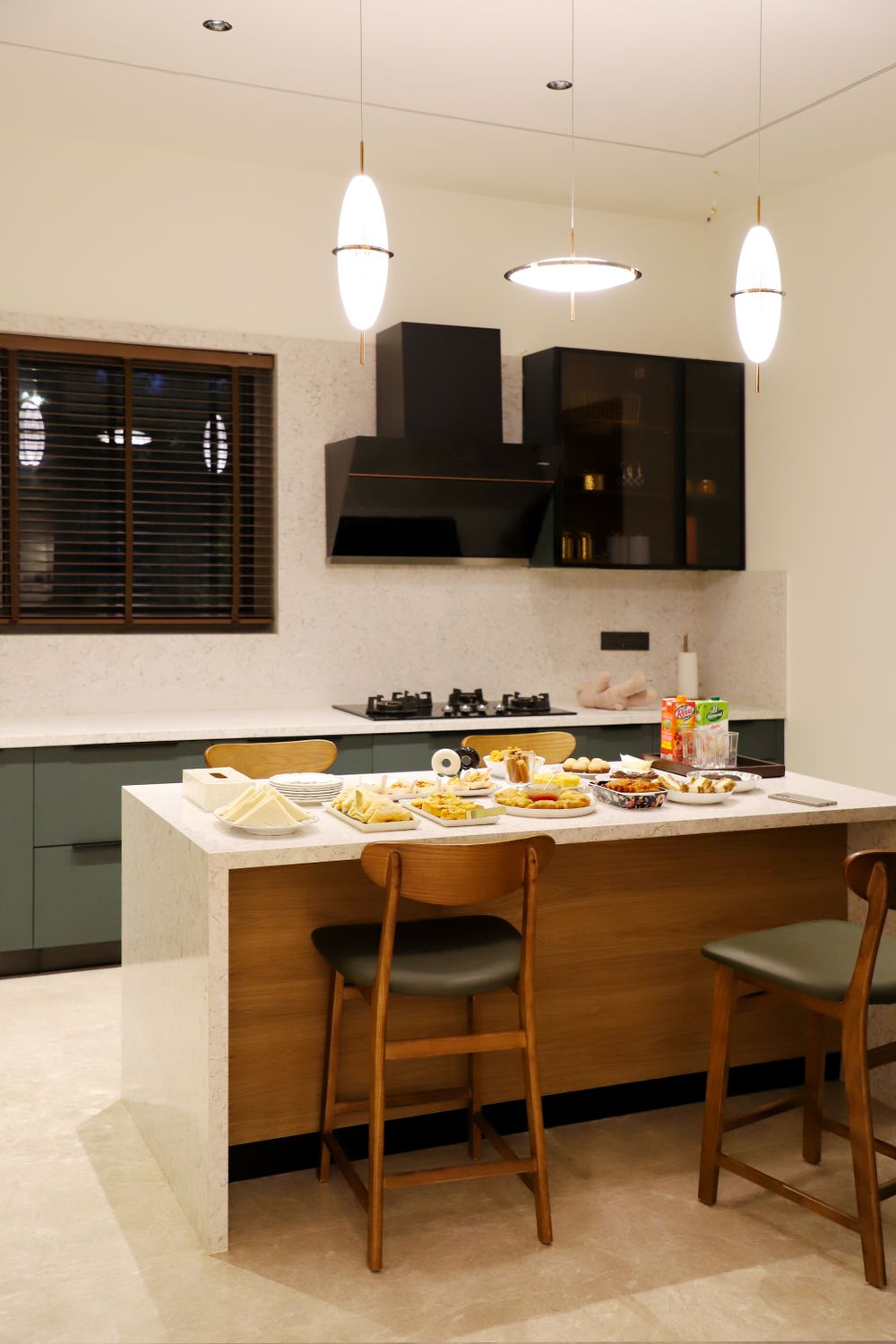
Give Every Kitchen Zone a Job
Before buying baskets or matching containers, pay attention to how you use the kitchen. Where do groceries land? Which counter becomes the prep space? Use those answers to guide your layout: keep knives and cutting boards near the prep area, and pots and oils close to the stove.
The goal isn’t a strict formula. It’s cutting down on unnecessary back-and-forth. A kitchen feels easier when you store items that work together, especially in smaller kitchens where every cabinet has to earn its place.
Use Drawer Dividers for Everyday Tools
A utensil drawer can look neat for a day or two before it becomes a tangle of spatulas, whisks, and gadgets nobody remembers buying. Drawer dividers create separate sections for the tools you use most, so you don’t have to sort through a pile every time.
Adjustable dividers help most, since kitchen needs change. Group long-handled utensils in one section, measuring tools in another, and move duplicates to a less convenient drawer.
Related: 16 Kitchen Organization Ideas to Help You Declutter Your Space
Add a Turntable to Deep Cabinets
Deep cabinets hold plenty, but they hide what you need most. Oils, sauces, and jars get pushed to the back, so you have to remove half the shelf for one bottle. A turntable, often called a lazy Susan, brings items forward without requiring a full shelf rearrangement, and it works especially well in corners.
Use Clear Containers for Pantry Staples
A pantry is easier to manage when you can see what’s inside. Clear containers work well for pasta, rice, flour, and cereal, helping you spot what’s running low. If you transfer food from its original package, label the container clearly.
Per USDA’s shelf-stable food safety guidance, follow original storage instructions, like labels reading “Keep Refrigerated,” and never use food from containers that are leaking, bulging, or damaged. A pretty pantry setup shouldn’t replace those basics.
Store Baking Sheets Vertically
Baking sheets, cutting boards, and serving trays tend to become unstable stacks in lower cabinets, and the one item you need is always at the bottom. Vertical dividers turn that stack into a filing system, letting you slide out one sheet pan without moving everything else. Leave enough room between items so removing one doesn’t cause a loud clatter.
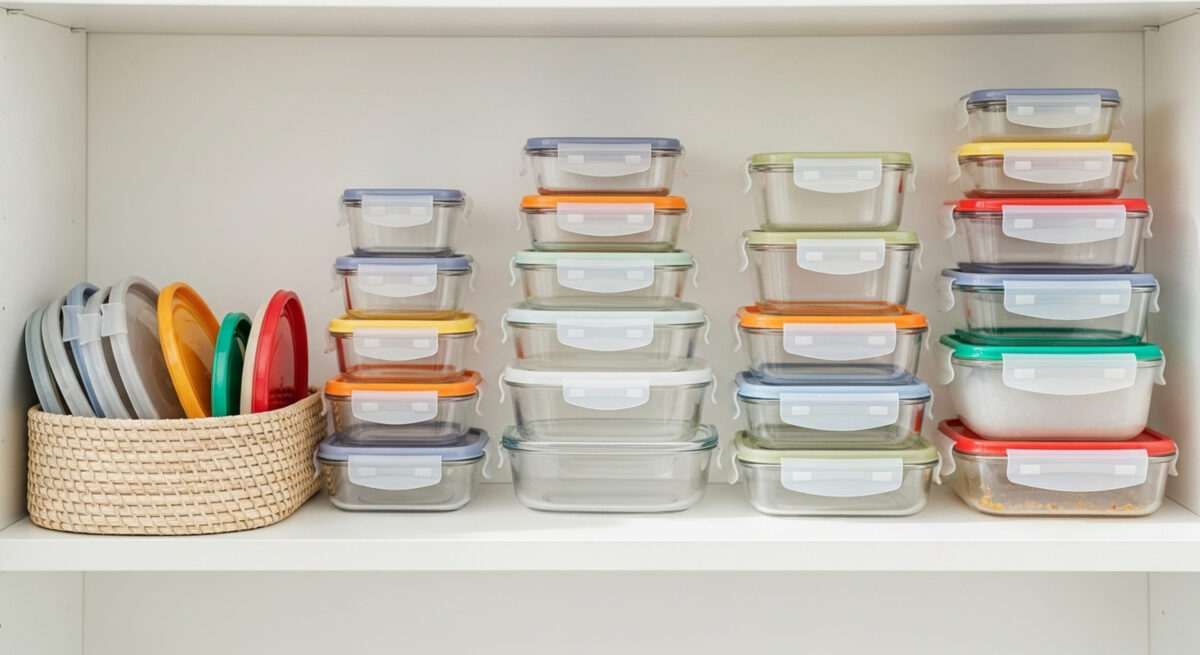
Create a Grab-and-Go Shelf
Mornings reveal every weak spot in kitchen storage. Someone needs a travel mug, someone else is hunting for a lunch container. A dedicated shelf or basket for items that routinely leave the house- mugs, snack bars, water bottles- makes that rush calmer. The point is consistency: one predictable home means fewer cabinets opened on the way out the door.
Make Under-Sink Storage Easier to Reach
The cabinet under the sink often becomes a catch-all for cleaning supplies and sponges, until you need one bottle and have to crouch, move several others, and hope nothing tips over. Pull-out trays bring frequently used supplies to the front. Measure first, since plumbing varies and any organizer needs to fit around pipes.
Label the Places That Cause Confusion
Labels aren’t just for picture-perfect pantries. They help in places where people regularly put things back in the wrong spot, especially in a shared kitchen where more than one person unloads groceries or empties the dishwasher. Removable tape and a marker do the job.
It’s also worth noting that most dates on packaged foods are for quality, not federal safety deadlines, per USDA’s food product dating guide, which is useful context once dry goods get moved into unlabeled containers.
Use a Narrow Rolling Cart
When cabinets are full, a narrow rolling cart creates storage without a renovation. It can fit beside the fridge or in another underused gap, holding coffee supplies, baking tools, or small appliances. Give the cart one job; a cart filled with random items creates a different kind of clutter.
Keep an Out-of-Place Basket
Kitchen counters collect everything: mail, keys, receipts, chargers. A small basket near the entrance or on a lower shelf can contain that overflow before it spreads. It’s not permanent storage; it’s a temporary landing spot that keeps prep surfaces clear.
Let the Kitchen Work With You
A better-organized kitchen doesn’t need matching bins or a dramatic makeover. It needs to work on a busy weeknight, when dinner is late, the dishwasher is full, and someone is packing lunch for the next morning.
Start with the friction you notice most: the overfilled drawer, the crowded shelf, the counter that catches everything. Fix one area, live with the change for a few days, then move to the next. The best kitchen system isn’t the one that looks untouched in a photograph. It’s the one that makes everyday cooking feel calmer and more manageable.