Iran Pushes the U.S. Toward a Dangerous Escalation Trap as a Shadow War Over the Strait of Hormuz Threatens to Shatter the Fragile Ceasefire
The Strait of Hormuz has always been more than a narrow stretch of water. It is a pressure point, a global energy artery, and one of the few places on earth where a single miscalculation can send shockwaves from the Persian Gulf to gas stations, shipping companies, military command centers, and political capitals thousands of miles away. Now, that pressure point is heating up again.
Iran appears to be testing how far it can push the United States without triggering a full-scale war. The result is a dangerous new phase in the shadow conflict over the Strait of Hormuz, where drones, missiles, tankers, naval escorts, sanctions, and diplomacy are all colliding at once. The ceasefire between Washington and Tehran may still exist on paper, but the waterway tells a different story. This is no longer just a dispute over ships. It is a fight over control, leverage, and credibility.
At the heart of the crisis is a brutal strategic question: can Iran make the Strait of Hormuz so risky, so uncertain, and so politically expensive that the United States is forced to choose between escalation and retreat? That is the escalation trap.
Iran does not need to completely close the Strait to shake the world. It only needs to make shipping companies, insurers, oil buyers, and Gulf governments believe the route is no longer safe. In a waterway that carries a major share of the world’s oil flows, fear can become a weapon almost as powerful as a missile.
For Washington, the challenge is equally severe. If the United States responds too aggressively, it risks widening the conflict and destroying what remains of the ceasefire. If it responds too weakly, it risks allowing Iran’s Islamic Revolutionary Guard Corps to tighten its grip over one of the world’s most vital maritime corridors.
That is exactly the dilemma Tehran seems to want.
The Strait of Hormuz Has Become the Real Battlefield
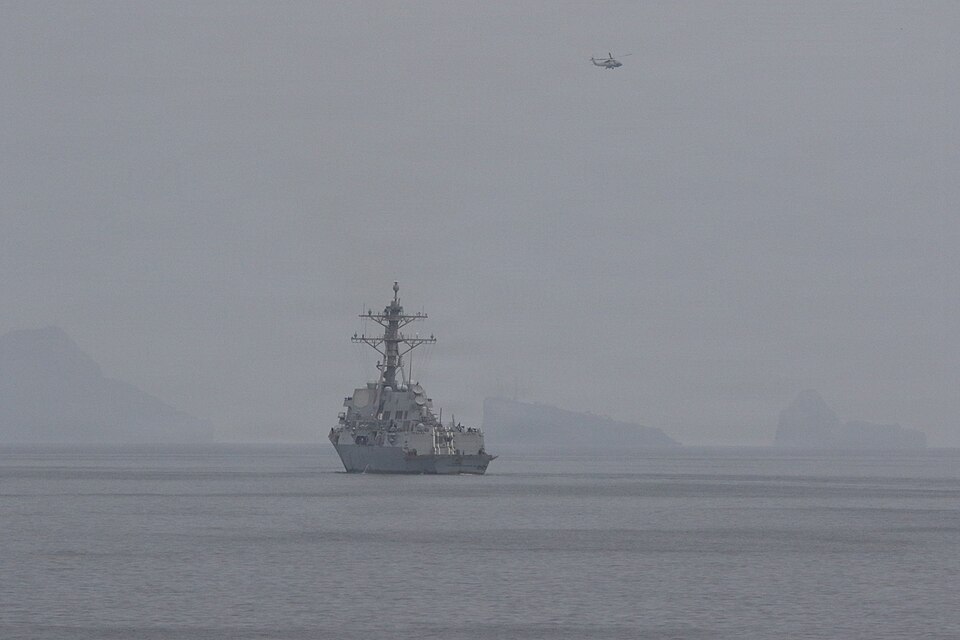
The latest tensions show why the Strait of Hormuz remains one of the most dangerous geographic chokepoints in global politics. The waterway sits between Iran and Oman, linking the Persian Gulf to the Gulf of Oman and the Arabian Sea. Oil from Saudi Arabia, Kuwait, Iraq, Qatar, the United Arab Emirates, and Iran depends heavily on this route to reach global markets.
When Hormuz is calm, the world often forgets how much it depends on it. When it is threatened, everyone remembers at once.
Iran’s recent actions appear designed to challenge an alternate shipping route near the Omani coast, a route protected by the United States and intended to reduce Tehran’s leverage over commercial traffic. By threatening or targeting vessels that use this path, Iran is not just harassing shipping. It is trying to shape the rules of passage.
That matters because whoever controls the practical flow of shipping through Hormuz controls a powerful bargaining chip. Iran knows this. Washington knows it. Gulf states know it. Energy markets know it.
This is why the conflict has shifted into a shadow war. It is not always declared. It is not always clean. It happens through drone attacks, naval escorts, tanker diversions, transponders going dark, sanctions threats, military warnings, and carefully worded diplomatic statements.
The battlefield is the sea, but the real target is decision-making.
Iran’s Strategy Is Built on Pressure, Not Peace
Iran’s logic is cold but clear. If it cannot win a direct military confrontation with the United States, it can still create enough instability to raise the cost of American policy. Tehran can pressure shipping companies. It can frighten insurers. It can force Gulf allies to question whether Washington can protect them. It can make oil markets nervous. It can turn every tanker movement into a political signal.
That is why the ceasefire feels so fragile.
A true ceasefire reduces tension. This one appears to have become another arena for competition. Each side is trying to preserve the appearance of restraint while preparing for the possibility of renewed confrontation. Iran is testing boundaries. The United States is trying to defend freedom of navigation without being dragged into a larger war. Gulf states are watching nervously as their ports, oil infrastructure, and security partnerships are drawn into the pressure campaign.
The danger is that shadow wars can quickly escape the shadows.
A drone strike can become a retaliatory airstrike. A damaged tanker can become a naval crisis. A missile fired near a U.S. base can become a domestic political test for the White House. A single death can transform careful deterrence into open conflict.
That is why the phrase “escalation trap” is so powerful. It captures the central danger of this moment. Iran may be trying to force the United States into a position where every option carries a cost. Escalate, and Washington risks another Middle East war. Hold back, and it risks looking like it has surrendered control of Hormuz to Tehran.
Commercial Ships Are Caught in the Middle
The shipping industry is facing its own impossible choice. A vessel that uses the U.S.-protected alternate route could become a target for Iranian pressure. A vessel that uses a route favored or controlled by Tehran could face the risk of Western sanctions, especially if transactions involve entities tied to the IRGC. Some ships may keep their transponders on to show confidence. Others may go dark to avoid detection. Either way, the message is clear: normal shipping has become abnormal. That uncertainty is exactly what makes the situation so dangerous.
Modern energy markets depend on predictability. Ships need insurance. Buyers need schedules. Ports need security. Governments need confidence that supply lines will hold. If Hormuz becomes unpredictable, the economic effect can spread far beyond the Gulf.
Oil prices do not wait for formal declarations of war. They respond to risk. They respond to fear. They respond to the possibility that millions of barrels per day could be delayed, diverted, or trapped.
Iran understands this. It does not need to stop every ship. It only needs to make enough shipowners hesitate.
Trump Faces a Credibility Test
President Donald Trump has threatened severe consequences if Iran continues violating the ceasefire, but he has also shown reluctance to plunge the United States back into another major conflict. That tension sits at the center of the crisis.
Iran may believe Washington wants out more than it wants escalation. If Tehran reaches that conclusion, it may keep pushing until the United States either strikes harder or accepts a new reality in which Iran has more influence over Hormuz traffic. That is the credibility test.
For the United States, protecting the Strait of Hormuz is not just about oil. It is about alliance confidence. Bahrain and Kuwait host critical U.S. interests. Gulf partners depend on American security guarantees. Commercial shipping companies depend on U.S. naval power to keep sea lanes open. If Iran can challenge that system without paying a meaningful price, the entire regional balance begins to shift.
But the opposite risk is just as real. If the United States responds with overwhelming force, Iran could expand the conflict across the Gulf, Iraq, Lebanon, Syria, or the Red Sea. A limited maritime crisis could become a regional firestorm.
That is why this moment is so unstable. Both sides have reasons to avoid a full war. Both sides also have reasons to keep pushing.
The Ceasefire Is Alive, But Barely
The most dangerous ceasefires are the ones that neither side fully trusts. That appears to be where the U.S. and Iran now stand. Diplomacy continues, but the military facts at sea are changing. Talks may resume. Temporary pauses may be announced. Public statements may insist that both sides want calm. Yet the underlying conflict over Hormuz remains unresolved.
Iran does not want to return to a pre-conflict status quo that weakens its leverage. The United States does not want to accept a maritime system where Tehran decides which ships move safely and which do not. Gulf states do not want their economies held hostage. Shipping firms do not want to gamble with crews, cargo, and insurance costs.
So the crisis keeps circling the same question: who sets the rules in the Strait of Hormuz?
Until that question is answered, the ceasefire will remain fragile. The shadow war will continue. Every tanker route, every drone launch, every naval escort, and every warning from Tehran or Washington will carry more weight than usual.
The Strait of Hormuz is narrow, but the consequences are enormous.
Iran’s gamble is that it can use the waterway to force America into a corner. America’s challenge is to avoid that trap without allowing Tehran to rewrite the rules of global energy security. Between those two ambitions lies the danger now facing the Gulf.
The world should not mistake this for a distant maritime dispute. Hormuz is where diplomacy, oil, military power, and political nerve meet. If the ceasefire collapses there, it may not collapse quietly. It could break with fire on the water, panic in the markets, and a new regional conflict that neither side claims to want, but both sides may be walking toward.