16 Famous Fish Dishes Around the World Worth Trying
Fish may be one of the most universal foods on the planet, but no one cooks it the same way.
In Senegal, fish lands on a mountain of deeply seasoned rice. In Iraq, carp slowly roasts beside an open fire. In Fiji, fresh fish meets citrus and creamy coconut milk. And in Britain? Well, somebody gets out the deep fryer and starts cutting potatoes.
That variety is exactly what makes fish such a brilliant way to explore the world through food. Here are 16 fish dishes that show how geography, history, preservation techniques, spices and local traditions can turn the same basic ingredient into something completely different.
Thieboudienne, Senegal
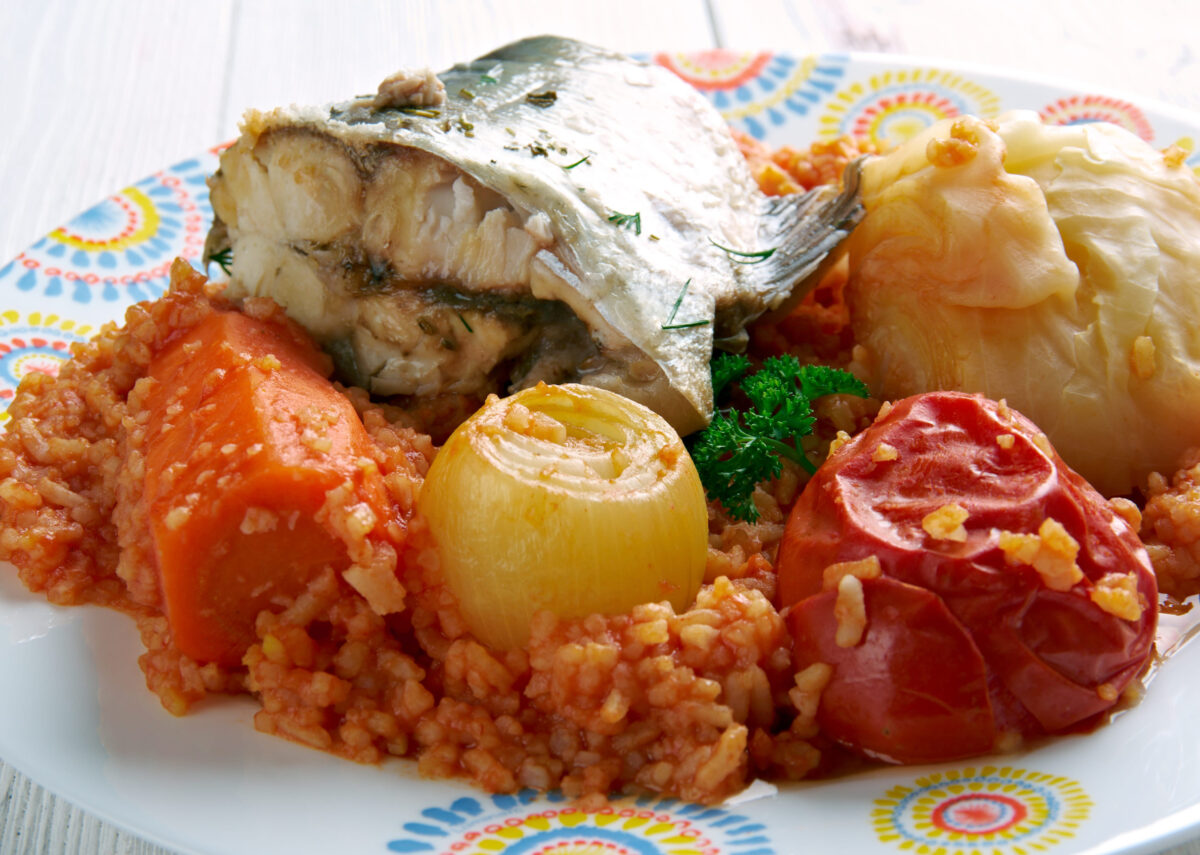
If you like one-pot meals, Senegal has a serious contender for your dream dinner. Thieboudienne, also called ceebu jën, combines fish, broken rice, tomato, herbs, and vegetables such as cabbage, carrot, and cassava.
The fish is often seasoned with an aromatic herb paste before cooking, while the rice absorbs the intensely flavored broth. It is commonly served from a large shared platter, making this celebrated Senegalese dish as much about eating together as eating well.
Moroccan Fish Tagine With Chermoula, Morocco
The star here is chermoula, a punchy mixture commonly made with coriander, parsley, garlic, cumin, paprika, lemon and olive oil.
Marinate the fish in it, layer it with vegetables such as potatoes, tomatoes, and peppers, then gently cook until tender. Add crusty bread to scoop up the sauce, and suddenly cutlery feels unnecessary.
Fish Nigiri, Japan
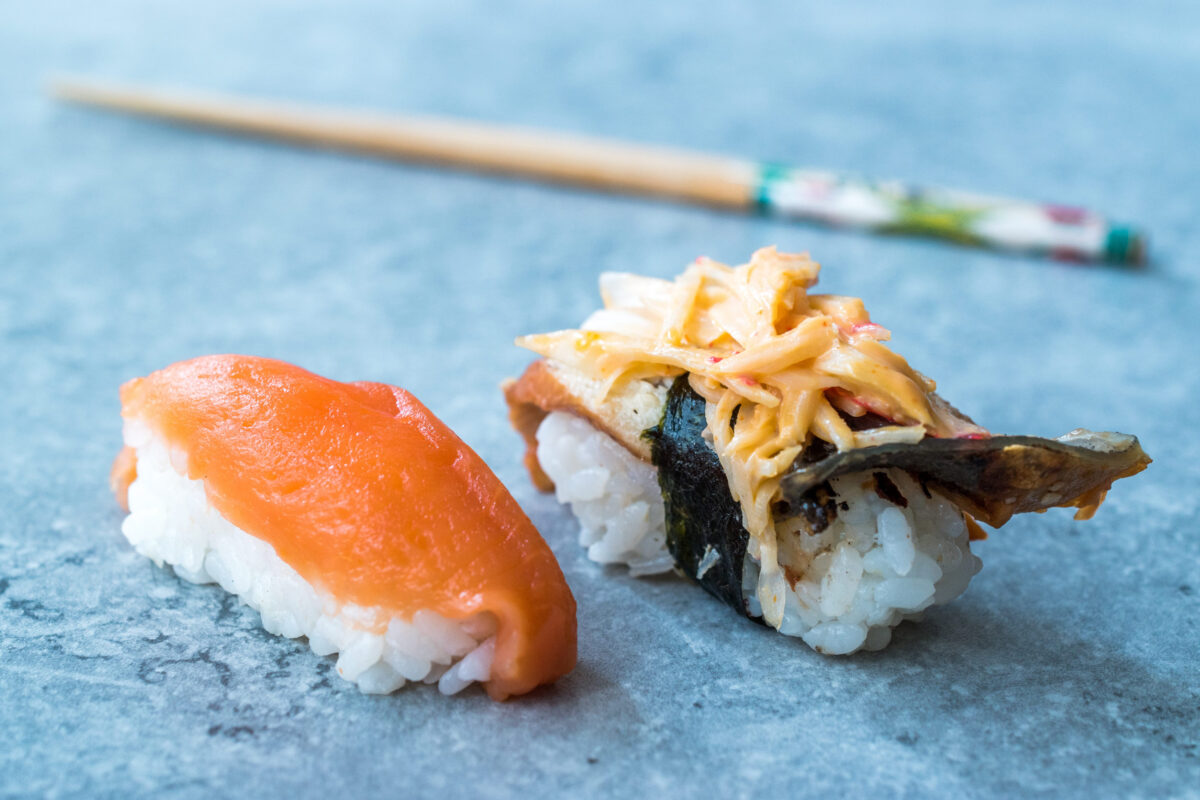
First, an important correction: sushi does not simply mean raw fish.
Sushi’s foundation is vinegared rice, and the topping can be raw, cured, grilled, simmered, or something other than fish entirely. In nigiri, a small hand-shaped mound of seasoned rice is topped with prepared fish.
Modern Edo-style nigiri became associated with Tokyo during the 19th century, while sushi’s deeper history reaches back to older fish-and-rice preservation methods.
Chả Cá Lã Vọng, Vietnam
Few fish dishes announce themselves quite like this Hanoi specialty.
Fish is seasoned with turmeric and other aromatics, then grilled or seared before being finished in a sizzling pan with an enthusiastic amount of dill and scallions. Diners typically eat it with rice vermicelli, herbs, peanuts, and dipping sauce.
Turmeric plus dill may sound like an unusual partnership. Here, it absolutely works.
Pempek, Indonesia
Imagine a fish cake with some serious bounce.
Pempek, a specialty of Palembang in South Sumatra, traditionally combines ground fish, often Spanish mackerel, with sago or tapioca starch. The dough is shaped, boiled, and often fried before being served with cuko, a dark, sweet, sour, and spicy sauce.
One famous version, kapal selam, even hides an egg inside.
Bengali Macher Jhol, Bengal
Not every curry needs to be thick, creamy or restaurant-heavy.
Macher jhol, found across Bengal in eastern India and Bangladesh, is often a lighter fish curry built around freshwater fish, turmeric, mustard oil, chilies and a thin, flavorful gravy.
It is everyday comfort food designed to be eaten with steaming rice, and that simplicity is part of its charm.
Sayadieh, The Levant
Sayadieh brings fish and rice together in particularly satisfying fashion.
Associated especially with Lebanese coastal cooking but found more broadly across the Levant, it features fish served over rice flavored with fish stock, deeply browned onions, and warm spices. Nuts and herbs may finish the dish.
Even its name has a maritime connection. It comes from the Arabic sayyad, meaning fisherman or hunter.
Masgouf, Iraq
Masgouf is dinner and theatre in one.
Traditionally made with freshwater carp, the fish is butterflied and positioned beside an open wood fire, where it slowly cooks from radiant heat rather than sitting directly over flames.
The technique gives it smokiness and a crisp exterior and has become strongly associated with Baghdad and Iraq’s river culture.
Bacalhau à Brás, Portugal
Portugal has turned preserved cod into an art form, and bacalhau à Brás is one of its most comforting examples.
Desalted salt cod is shredded and cooked with onions and olive oil, mixed with thin fried potatoes, then brought together with softly scrambled egg. Parsley and black olives finish the job.
It is salty, rich, crispy and soft all at once.
Fish and Chips, Britain
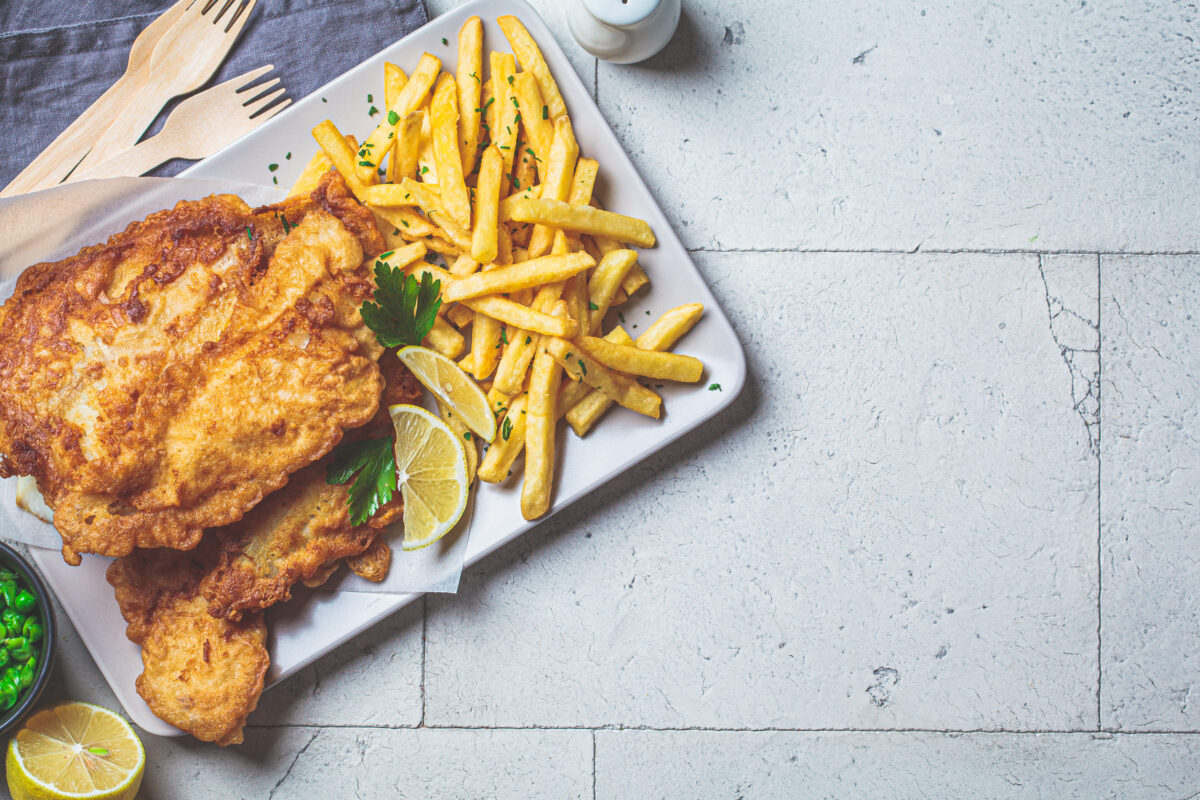
Simple? Yes. Boring? Absolutely not.
Cod or haddock is battered and fried until crisp, then paired with thick chips and typically plenty of salt and malt vinegar. Mushy peas, tartar sauce, curry sauce and lemon can join the party depending on where you are.
The dish also has a fascinating migration story. The fried-fish tradition in Britain has historical links to Sephardic Jewish cooking.
Baja-Style Fish Tacos, Mexico
Take battered fish, put it in a warm corn tortilla, add crunchy cabbage, lime, salsa, and creamy sauce, and you have one of coastal Mexico’s greatest contributions to handheld eating.
The modern Baja-style fish taco is strongly associated with Baja California. Both Ensenada and San Felipe appear in stories about its development, so declaring one an unquestioned birthplace oversimplifies a messier, more interesting food history.
Cedar-Plank Salmon, Pacific Northwest
Salmon cooked with wood is far more than a trendy restaurant presentation.
Salmon holds deep dietary, cultural, and ceremonial importance for many Indigenous peoples of the Pacific Northwest. Traditional salmon cookery includes roasting near a fire, smoking and drying, among other techniques.
Modern cedar-plank versions may add glazes and contemporary seasonings, but the deeper food traditions deserve recognition rather than being reduced to a grilling trick.
Peruvian Ceviche, Peru
Fresh fish, citrus, chili, onion, and salt. The ingredient list sounds straightforward. The cultural story is anything but.
Peruvian ceviche is tied to fishing, farming, markets, restaurants, family knowledge and regional identity. In 2023, UNESCO added the practices and meanings surrounding its preparation and consumption to its Representative List of the Intangible Cultural Heritage of Humanity.
And no, citrus does not make raw fish identical to heat-cooked fish, so safe handling still matters.
Moqueca de Peixe, Brazil
Brazil’s moqueca de peixe is a gently cooked fish stew with tomatoes, onions, peppers, coriander, and other aromatics.
But there is an important regional twist. Bahian versions are particularly associated with coconut milk and dendê palm oil, while Espírito Santo’s moqueca capixaba follows a lighter tradition without the same coconut-and-dendê profile.
In other words, no single universal moqueca exists.
Ackee and Saltfish, Jamaica
Jamaica’s famous national dish combines flaky salt cod with soft, buttery ackee, plus aromatics such as onion, thyme, peppers, and Scotch bonnet.
It also has a remarkably international backstory. Ackee has West African origins, while preserved cod arrived through Atlantic trade networks.
Often eaten at breakfast with dumplings, breadfruit, yam, or green bananas, it proves breakfast deserves bigger ambitions.
Kokoda, Fiji
Kokoda finishes our trip somewhere sunny.
Fresh firm fish is marinated in citrus, then mixed with coconut milk or cream, chilies, onion and vegetables. The result is cool, bright, creamy and distinctly Fijian.
It may remind you of ceviche, but calling it simply “Fijian ceviche” misses the point. Across the Pacific, communities have their own citrus-cured fish traditions, ingredients and identities.
One Ingredient, Thousands of Stories
What makes these dishes fascinating isn’t simply that they contain fish. It is what each culture does with it.
Fish can be cured in Scandinavia, simmered with rice in Senegal, folded into tacos in Baja California, roasted beside a fire in Baghdad or surrounded by coconut and citrus in Fiji. Sometimes the important ingredient is a spice mixture. Sometimes it is a preservation technique. Sometimes it is the particular way a meal is shared.
So if your usual fish routine begins with “season fillet” and ends with “put it in the oven,” consider this your invitation to travel a little farther, at least from the dinner table.
Other Posts You May Like
- 10 Best Seafood That Isn’t Fish, Ranked
- 10 Foods You Should Never Wash, According to Food-Safety Experts
f you like what you just read, then subscribe to our newsletter and follow us on social media.