If You’re Still Freezing These 10 Foods, You May Be Ruining Their Texture
The freezer is one of the most useful tools in the kitchen, until it turns a fresh ingredient into something barely recognizable.
A crisp cucumber becomes limp. Creamy pasta turns grainy. A potato salad that looked perfectly fine on Tuesday comes back watery by Friday. And mayonnaise can thaw looking like it has decided to quit altogether.
The problem is not the freezer itself. It is the kind of food going into it.
When water inside food freezes, it forms ice crystals that can change delicate structures. Once that food thaws, moisture may escape, leaving it soft, watery, or uneven. North Dakota State University’s Food Freezing Guide identifies fresh produce such as lettuce, tomatoes, celery, cucumbers, and radishes among foods that do not retain their original quality well after freezing.
That does not mean the freezer is off-limits for storing items. It simply means some foods are better used quickly, turned into another dish, or stored in the refrigerator instead.
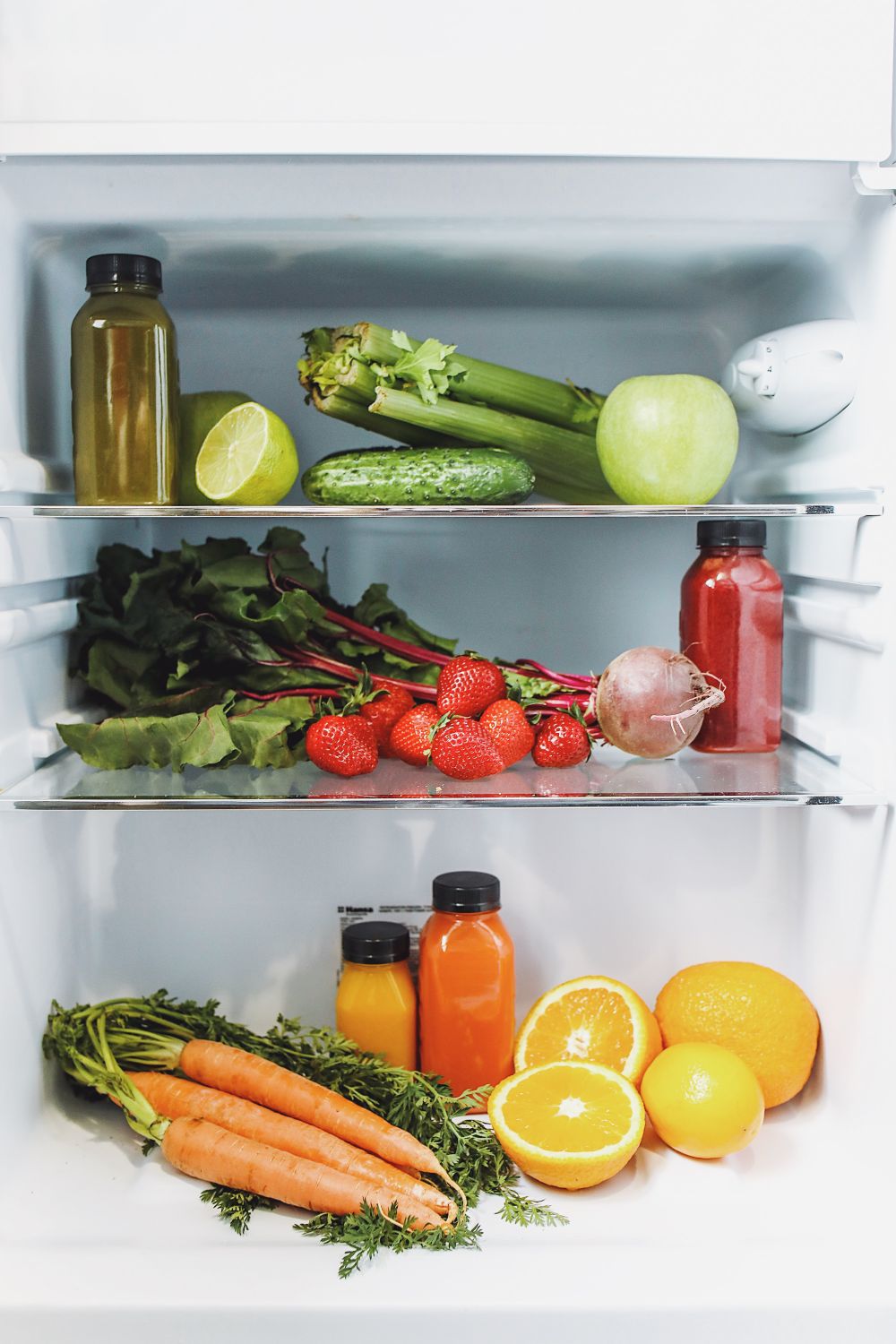
Here are 10 foods that usually aren’t worth freezing if you want them to keep their original texture.
Lettuce and Tender Salad Greens
A freezer can preserve many vegetables, but fresh salad greens are not among them. Lettuce, arugula, and other tender leaves should be crisp. Once frozen and thawed, they usually become limp and wet, making them a poor fit for salads, sandwiches and wraps.
If you have more lettuce than you can use, turn it into a large salad, add it to sandwiches or use it as a quick side before it loses freshness.
Heartier greens are a different story. Kale and spinach can still work after freezing if they are headed for soups, sauces, or cooked dishes. Just do not expect them to return as salad greens.
Cucumbers, Celery and Radishes
These vegetables bring crunch to a plate. That is exactly what the freezer takes away. Cucumbers, celery and radishes contain plenty of water, so they tend to thaw soft and waterlogged. They may still have flavor, but the crisp bite that makes them useful in salads and snack trays is gone.
Use celery in stuffing, soup, or stock before it turns. Make refrigerator pickles with cucumbers. Slice radishes into tacos, grain bowls, or a quick salad while they are still firm.
Freezing is not the right rescue plan for vegetables whose best quality is their snap.
Mayonnaise
Mayonnaise is built for the refrigerator, not the freezer. Its smooth texture can separate after freezing, leaving a watery, uneven mixture that isn’t especially appealing in sandwiches, dips, or salads.
If you are making sandwiches ahead, freeze the bread, meat, or cooked filling separately. Add mayonnaise after thawing. The same rule applies to chicken salad, tuna salad, and other mayonnaise-based dishes.
This small change can prevent a meal-prep plan from ending in a soggy lunch.
Related: Organizing Your Freezer: 5 Easy Steps
Cream Sauces
A creamy sauce can look glossy and smooth one day, then grainy and broken after a stay in the freezer.
Sauces made with cream, milk, butter, or cheese can separate as they thaw. A gentle reheat may improve the texture, but it may not fully return it to how the sauce looked when it was fresh.
For freezer meals, keep the sauce separate when possible. Freeze the cooked chicken, vegetables, or pasta base, then make the cream sauce when you are ready to serve.
That approach requires one extra step later, but it keeps the finished meal closer to what you intended.
Cooked Pasta
Cooked pasta is not always a freezer failure, but it can be disappointing when frozen plain.
Perfectly tender noodles can thaw soft, clumpy, and a little tired. They hold up better in lasagna, baked ziti, casseroles, and soups, where a softer texture blends into the dish.
For a freezer-friendly pasta dinner, cook the noodles just short of done and freeze them with sauce. Save pasta salad for the refrigerator, especially if it includes crisp vegetables or a creamy dressing.
The freezer is kinder to pasta when the noodles have a job to do beyond sitting alone in a container.
Cooked Rice
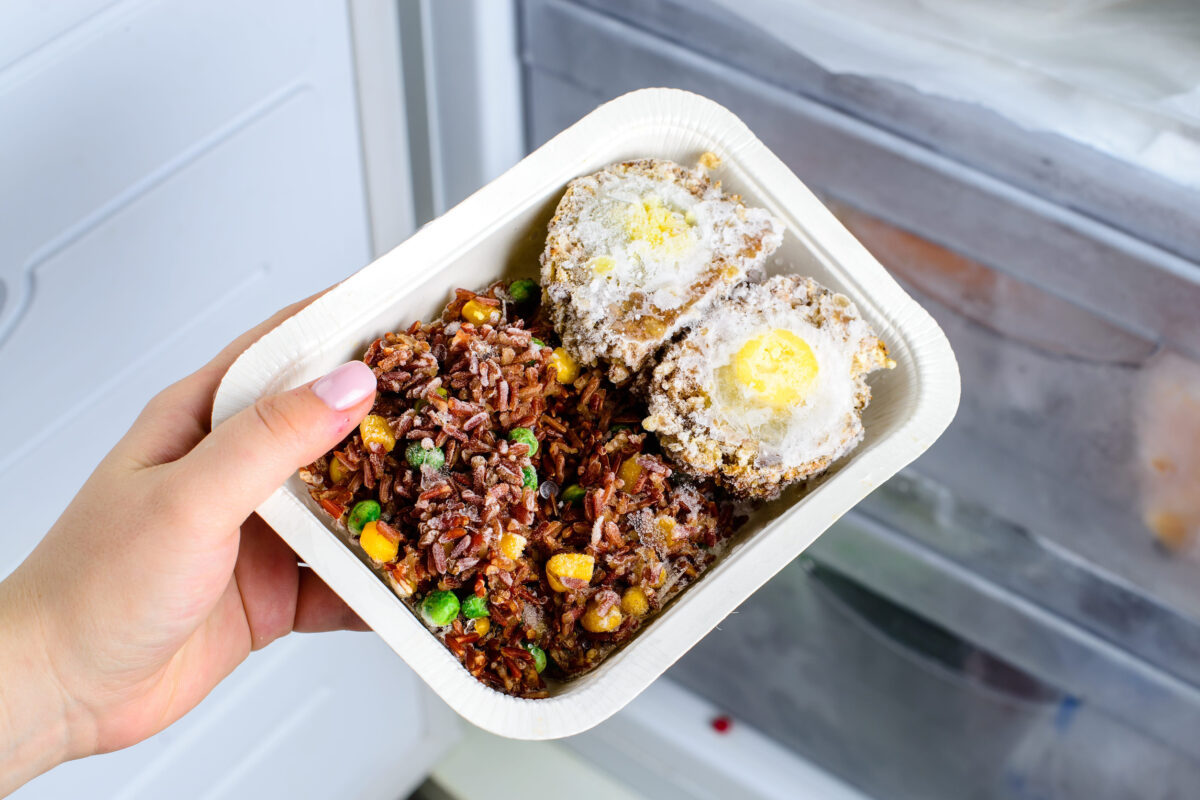
Cooked rice can become dry, clumpy or overly soft after freezing and reheating. That doesn’t necessarily mean you should throw it away. Rice can still be useful in fried rice, soups, stuffed peppers and casseroles, where small texture changes are less obvious.
But if you want a fluffy side of rice to serve beside dinner, freshly cooked is usually the better choice.
If you do freeze it, divide it into small portions. Adding a little water or broth during reheating can help it loosen up.
Baked or Boiled Potatoes
Potatoes can be unpredictable after freezing.
Baked or boiled potatoes may thaw crumbly, grainy, or waterlogged, especially when served as a simple side dish. The change is even more obvious in potato salad, where the potatoes and creamy dressing can both lose their ideal texture.
For soups and stews, freeze the broth, meat and vegetables that hold up well. Add fresh potatoes when you reheat the meal.
Mashed potatoes may work better when folded into a casserole or shepherd’s pie, where the texture doesn’t have to be perfectly fluffy on its own.
Fried Foods
Fried foods are all about contrast: a crisp outside and a tender center.
Freezing can soften that crust. A hot oven or air fryer may bring back some crunch, but home-fried leftovers rarely taste exactly like they did when they were cooked.
Commercial frozen French fries are different because they are designed for freezer cooking. But a leftover fried chicken cutlet, onion ring, or breaded fish fillet is usually best eaten soon after.
When the crunch is the point, the freezer is rarely the best plan.
Hard-Cooked Eggs
Hard-cooked eggs do not thaw gracefully.
The whites can turn tough and rubbery, making deviled eggs, egg salad, and sliced eggs poor freezer candidates. If you have extra hard-cooked eggs, keep them in the refrigerator and plan meals around them over the next few days.
Use them for salad toppings, breakfast toast, sandwiches or a quick snack plate.
They are useful leftovers. They are just not freezer leftovers.
Sour Cream and Creamy Dressings
Sour cream, creamy dressings and mayonnaise-based salads can all lose their smooth texture after freezing.
They may thaw separated, thin or watery, especially in potato salad, macaroni salad, coleslaw and dips.
The better approach is to freeze the cooked base ingredients, then add sour cream, dressing or mayonnaise after thawing. The meal will take only a few extra minutes to finish, but it will taste more like something you meant to serve.
Freeze Smarter, Not Less
The lesson is not to stop using the freezer. Bread, broth, berries, cooked beans, soups, stews, and many sauces are excellent candidates for freezing. The goal is to choose foods that can handle a change in texture and save delicate ingredients for the refrigerator.
Use airtight freezer-safe containers, freeze meals in portions you can use easily, and avoid letting food sit in the freezer indefinitely. The U.S. Department of Agriculture’s freezing guide notes that some items, including mayonnaise, cream sauces, and lettuce, do not freeze well when quality is the priority.
A freezer should make dinner easier, not leave you with a container of watery leftovers you no longer want to eat.