10 Essential Herbs and Spices Every Kitchen Should Have
Open your spice cupboard. Go on, have a look.
If you see seventeen tiny jars, three mystery blends, and a container of oregano you’re fairly sure moved house with you twice, you’re not alone. Building a useful spice collection can quickly turn into collecting ingredients you rarely use.
The good news? You don’t need an entire supermarket aisle in your kitchen.
A small, smart collection of herbs and spices can take you from bland eggs to brilliant roast vegetables, comforting soups, fragrant curries, pasta sauces, marinades, and even desserts. Here are ten versatile seasonings worth keeping in your cupboard.
Black Pepper

If your black pepper comes from a dusty shaker that has been sitting around forever, your first kitchen upgrade is simple: get a pepper grinder.
Freshly ground black pepper is sharper, warmer, and far more aromatic than stale pre-ground pepper. It works almost everywhere, including eggs, potatoes, meat, fish, pasta, soups, salads, beans, and vegetables.
Add it during cooking for a mellow background warmth, then grind a little more over the finished dish for a brighter kick.
Try freshly ground pepper on scrambled eggs and compare it with the old stuff. You may never go back.
Garlic Powder
Fresh garlic is wonderful, but garlic powder is the dependable friend who is always available and never needs peeling.
It’s especially handy for dry rubs, roasted vegetables, burgers, chicken, beans, sauces, fries, and homemade seasoning mixes. Because it distributes evenly, it’s also excellent when you want garlic flavor without little pieces of garlic.
One warning: garlic powder and garlic salt are not the same thing. Swap one for the other carelessly, and dinner can become a salt lick.
Cumin
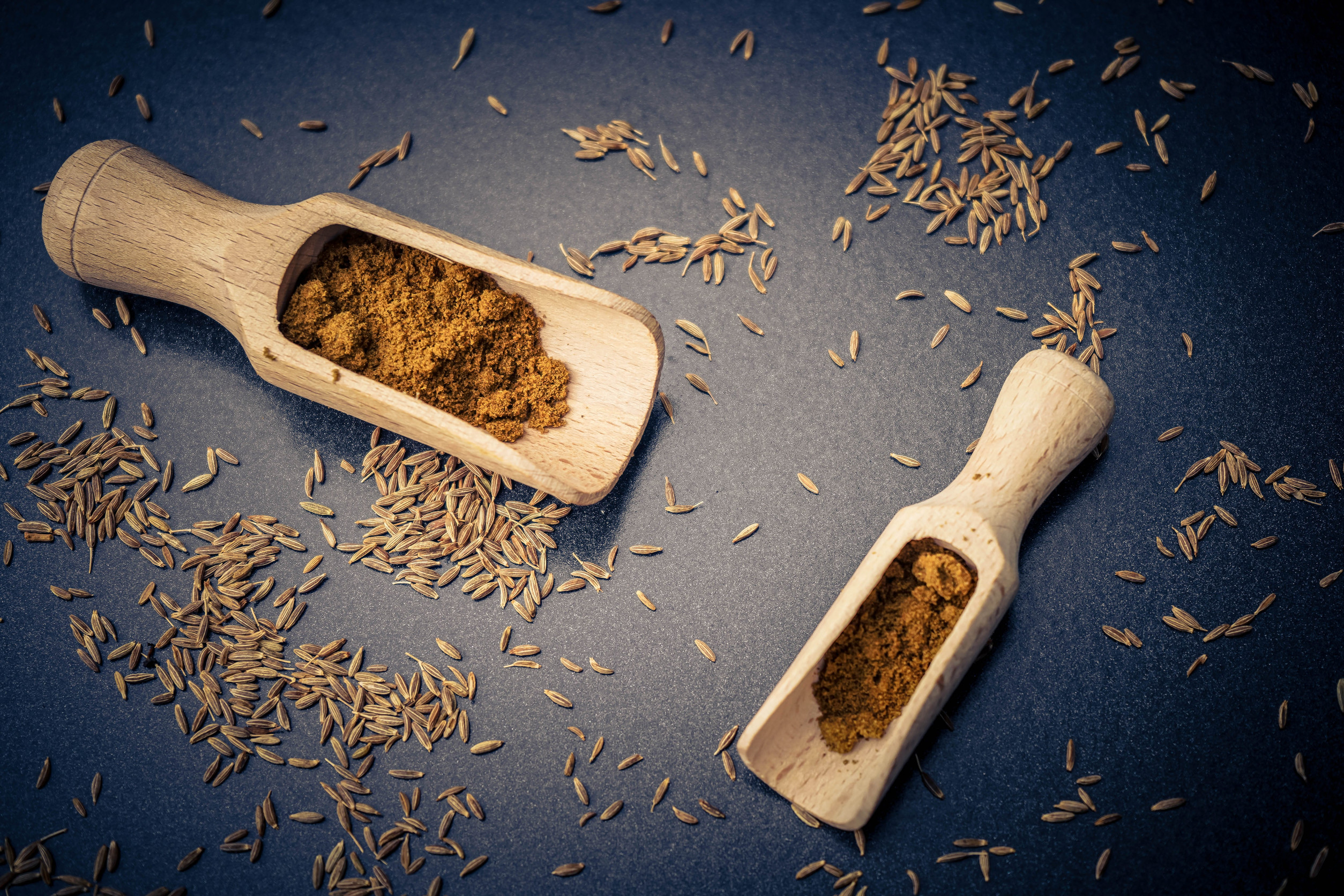
Cumin brings warm, earthy, slightly nutty flavor to the party.
It’s at home in curries, lentils, beans, chili, tacos, rice, hummus, kebabs, soups, and roasted vegetables. If a pot of beans tastes technically fine but somehow boring, cumin may be exactly what it needs.
For even better flavor, briefly toast cumin seeds or warm ground cumin in a little oil before adding the rest of your ingredients. Keep things moving, because burnt cumin goes from fragrant to unpleasant remarkably fast.
Paprika
Paprika deserves more respect than being sprinkled decoratively over potato salad.
Several types exist, and each does a different job. Sweet paprika is mild and fruity. Smoked paprika adds deep, smoky flavor. Hot paprika brings actual heat.
Use paprika with potatoes, chicken, eggs, beans, rice, soups, stews, and roasted vegetables.
When adding paprika to warm oil, stir briefly, then add your liquid or other ingredients. Paprika burns easily, and burnt paprika is not the culinary adventure you’re looking for.
Cinnamon
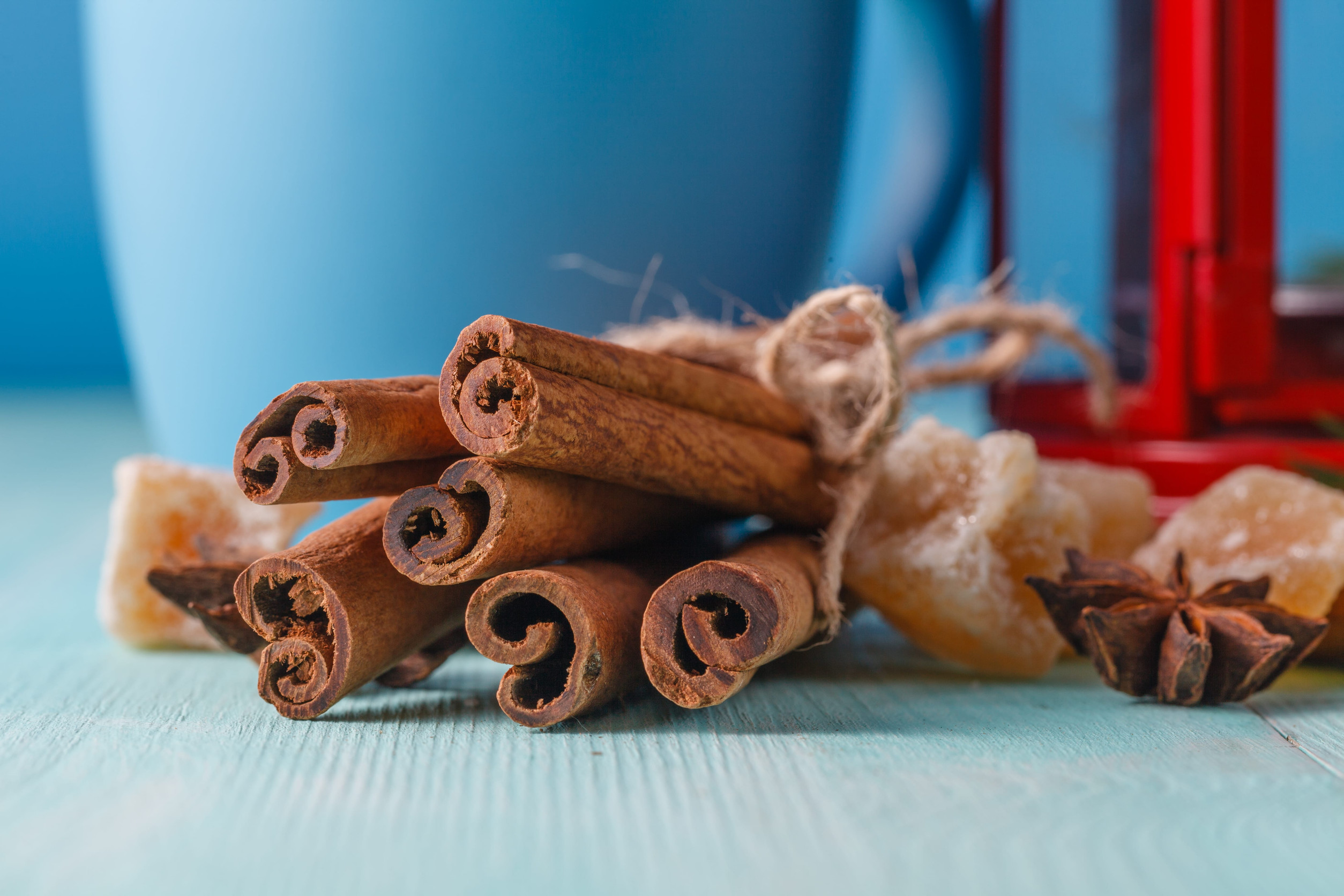
Cinnamon is not just for cookies and oatmeal.
Yes, it belongs in breakfast foods, cakes, fruit desserts, coffee, and tea. But small amounts can also add warmth and complexity to curries, stews, rice dishes, squash, sweet potatoes, and even chili.
The trick in savory cooking is restraint. You’re aiming for “What makes this taste so interesting?” rather than “Why does my stew taste like a cinnamon roll?”
Ginger
Fresh ginger and ground ginger share a name, but they behave like two different ingredients.
Fresh ginger is juicy, bright, citrusy, and fiery. It’s great in stir-fries, curries, soups, marinades, tea, and sauces. Ground ginger is warmer and sweeter-smelling, making it particularly useful in baking and dry spice blends.
A fantastic kitchen shortcut is to freeze fresh ginger. You can grate it straight from frozen whenever you need some, without watching another forgotten knob of ginger slowly shrivel in the fridge.
Oregano
Oregano is bold, earthy, slightly bitter, and incredibly useful.
It loves tomatoes, which is why it works so well in pizza sauce, pasta sauce, soups, and Mediterranean-style dishes. It’s also great with beans, grilled meat, mushrooms, roasted vegetables, marinades, and salad dressings.
Dried oregano is particularly useful because its flavor holds up beautifully during cooking. Rub it between your palms before adding it to a dish to help release its aroma.
Thyme
Thyme is one of those quiet ingredients that makes food taste more complete without shouting.
Its woodsy, lightly lemony flavor works beautifully in soups, stews, stocks, beans, roast chicken, fish, mushrooms, potatoes, root vegetables, and pan sauces.
It’s also forgiving, which makes it great for beginners. Add dried thyme early, so it has time to soften and release its flavor. Fresh thyme sprigs can simmer in soups or braises. Just remember to remove the woody stems before serving.
Basil
Basil brings sweetness, freshness, and that unmistakable “something smells amazing” quality.
Fresh basil shines in pesto, tomato salads, pasta, pizza, sandwiches, and dishes where you can add it near the end. Long cooking destroys much of its fresh aroma, so save those beautiful leaves for the final minutes.
Dried basil is useful too, especially in sauces and seasoning blends, but don’t expect it to taste exactly like fresh basil. Think of them as relatives, not twins.
Coriander Seed
Coriander seed often gets confused with cilantro, but they taste surprisingly different.
The seeds are warm, citrusy, floral, slightly sweet, and wonderfully versatile. They appear in curries, lentils, spice rubs, soups, pickles, breads, roasted vegetables, and marinades.
For maximum flavor, toast whole coriander seeds until fragrant, let them cool, then crush or grind them.
A Few Spice Cupboard Rules Worth Remembering
Good seasonings are only half the battle. Treat them well.
Keep herbs and spices tightly sealed somewhere cool, dry, and dark, not above the stove, where heat and steam slowly destroy their flavor. Don’t shake jars directly over steaming pots either, because moisture can sneak inside and cause clumping.
Whole spices generally keep their aroma longer than ground ones because their flavorful oils stay protected until you crush them.
And forget obsessing over exact expiration dates. Instead, use your nose. Rub dried herbs between your fingers or crush a whole spice and smell it. If you get almost nothing, or it smells dusty and stale, it’s probably time to replace it.
Most importantly, start small. Pick one main flavor and one or two supporting seasonings. Taste as you cook. You can always add more.
Because great seasoning isn’t about owning fifty jars.
It’s about knowing what to do with ten good ones.
Other Posts You May Like
- 5 Easy Herbs That May Help Keep Fruit Flies Away Plus the One Cleanup Step That Actually Works
- How to Dry Fresh Herbs at Home (Step-by-Step Guide)
If you like what you just read, then subscribe to our newsletter and follow us on social media.