10 Things You Should Never Store Above the Stove
That little cabinet above your stove can seem like prime kitchen real estate. It is close to where you cook, it keeps clutter off the counter, and it may be one of the few empty spaces left in a small kitchen.
But there is a catch. The area around a stove regularly deals with heat, steam, humidity, grease, and changing temperatures. Those conditions can shorten the useful life of some foods and household products. In other cases, storing the wrong item too close to a cooking surface may create a fire or safety problem.
The USDA even specifically warns against storing shelf-stable foods above or beside the stove.
Before filling that cabinet again, here are 10 things that are better stored somewhere else.
Canned Foods
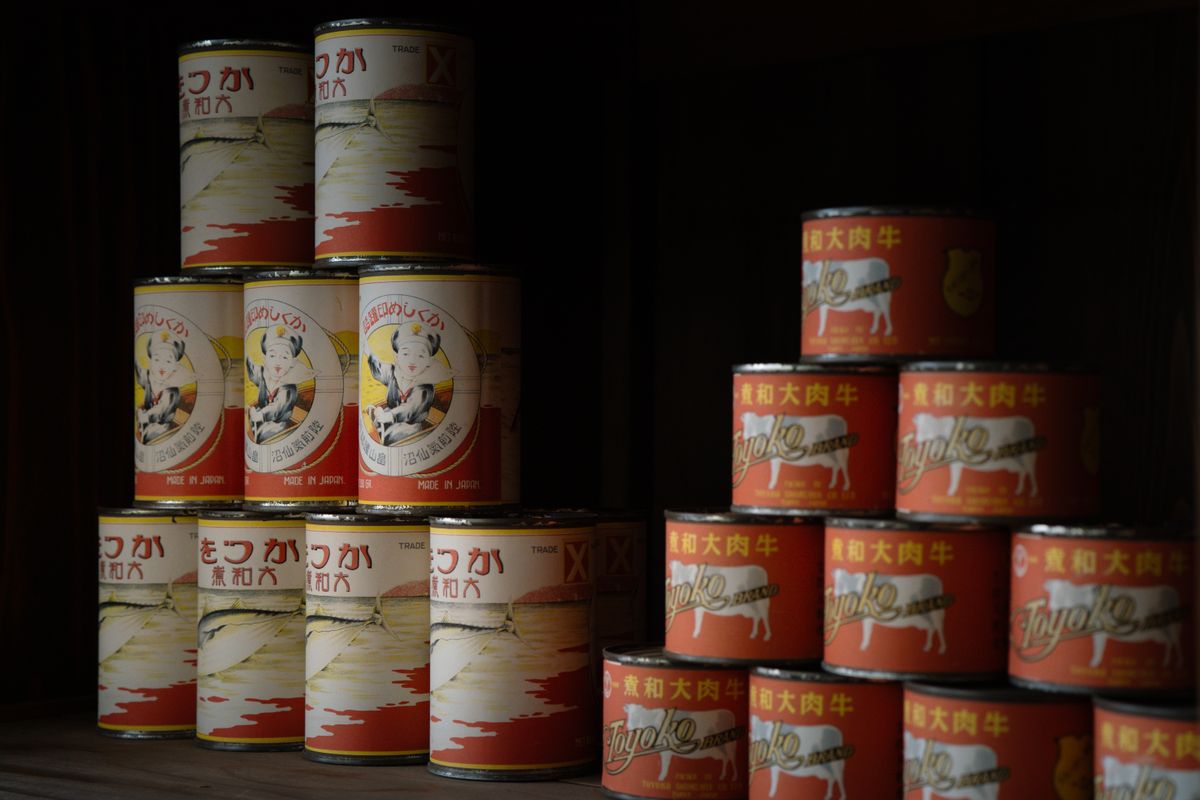
Canned soup, vegetables, beans, and other pantry staples might seem perfect for an upper kitchen cabinet, but the cabinet directly above the stove is a poor choice.
The USDA says commercially canned foods should be kept in a cool, dry location and specifically advises against storing them above the stove. Temperatures below 85 degrees Fahrenheit are preferred for shelf-stable foods.
Heat can reduce food quality over time, even when the can remains unopened.
Move canned goods to a pantry, lower cabinet, or another cupboard that stays relatively cool and dry. Also check cans before using them. Do not eat bulging, leaking, heavily rusted, or badly dented cans.
Home-Canned Jars
Those carefully preserved tomatoes, jams, vegetables, and sauces deserve better than the hottest cabinet in the kitchen.
Home-canned foods should generally be stored somewhere cool, dry, and dark. Penn State Extension recommends keeping canned goods away from excessive heat and says temperatures between 50 and 70 degrees Fahrenheit are ideal for storage.
High heat can also hurt the color, texture, and flavor of preserved foods.
A pantry, basement storage area that stays dry, or cool interior cupboard is a much better home for those jars.
Cooking Oils
Keeping olive oil or vegetable oil within arm’s reach of the stove is convenient, but constant heat is not good for its quality.
Penn State Extension recommends storing vegetable oil in a cool, dark location. Oils stored too long or under poor conditions can eventually become rancid, leading to unpleasant smells and flavors.
Heat and light are especially important considerations for oils. Penn State guidance on infused oils also recommends protecting oil from both.
Keep your everyday oil in a dark cabinet away from the stove, not directly above it.
Spices and Dried Herbs
The cabinet over the stove might seem like the logical home for paprika, garlic powder, oregano, and cinnamon.
Unfortunately, it is one of the worst spots for keeping them fresh.
McCormick advises storing herbs and spices away from heat, moisture, and direct sunlight. The company specifically recommends avoiding storage above the stove, dishwasher, or sink.
Heat can reduce quality, and moisture can cause clumping.
Instead, put your spice collection in a cool cupboard, drawer, or rack positioned away from the cooking area.
Dried Foods and Pantry Staples
Rice, pasta, grains, dried fruit, powdered foods, and similar pantry items generally last best under cool, dry conditions.
The University of Minnesota Extension recommends storing dried foods in cool, dry, dark areas, noting that moisture can work its way back into improperly stored products.
Steam rising during cooking can make the space above your stove warmer and more humid than another cupboard.
An airtight container in a cooler pantry cabinet is a better option, especially for foods that you intend to keep for several months.
Medicines

A kitchen cabinet can sometimes be an acceptable location for medicine, but the FDA says it should be away from hot appliances and the sink.
Changes in temperature and humidity may affect medications, and some medicines have specific storage requirements.
That means you should rule out the cabinet directly over the stove.
Read each medication’s label and follow its storage instructions. For medicines that can be kept at ordinary room temperature, the FDA recommends a cool, dry location such as a dresser drawer, closet shelf, storage box, or suitable cabinet away from heat.
Paper Towels, Napkins, and Food Packaging
That stack of paper plates or extra roll of paper towels may fit neatly above the range, but combustible materials shouldn’t be near cooking heat.
The U.S. Fire Administration advises keeping anything that can catch fire away from the stovetop. Examples include paper towels and food packaging.
This matters because cooking remains a major source of residential fires. The U.S. Fire Administration reports that cooking is the leading cause of home fires and home fire injuries.
Store paper products in a pantry or cabinet farther away.
Related: things-professional-organizers-say-everyone-keeps-too-many-of/
Oven Mitts, Dish Towels, and Wooden Utensils
These tools are used around the stove every day, but that does not mean they should be stored directly above it.
The U.S. Fire Administration specifically identifies oven mitts, wooden utensils, and towels as combustible objects that should be kept away from the stovetop.
The biggest concern is anything falling, hanging, or being accidentally placed too close to a burner or flame.
A nearby drawer, utensil crock positioned safely away from burners, or side cabinet offers convenient access without putting combustible materials directly over the cooking zone.
Household Cleaners and Chemicals
The cabinet above your stove should not be used as overflow storage for bleach, disinfectants, oven cleaners, pesticides, or other chemicals.
The EPA recommends following manufacturers’ storage instructions and keeping household hazardous products in their original containers. Some products need to be kept away from heat, sparks, or flames.
Another reason to move cleaners elsewhere is food safety. The FDA says not to store food near household cleaners or chemicals.
If you keep chemicals in the kitchen, use a separate, secure cabinet and follow the directions on each label.
Anything Labeled “Keep Away From Heat or Flame”
Aerosol products, solvents, pesticides, certain cleaners, and other household products may carry warnings telling you to keep them away from heat, sparks, or open flames.
Those instructions should override convenience.
The EPA advises consumers to read and follow storage directions on household chemical labels because improper handling can create risks including leaking, ignition, or other dangerous reactions.
A cabinet sitting above a gas or electric stove is clearly not the ideal place for a product whose own label warns against heat.
What Should Go Above the Stove Instead?
The safest answer may be to keep very little, especially if the cabinet gets noticeably warm when you cook.
If you need the space, consider using it for heat-tolerant, nonflammable kitchen items you don’t use often, such as certain empty cookware or serving pieces, as long as it doesn’t conflict with your stove or range manufacturer’s instructions.
The bigger lesson is simple: being close to the stove does not automatically make a cabinet good kitchen storage.
Heat, steam, and cooking activity can turn an otherwise useful cupboard into a bad location for food, medicine, chemicals, and anything that can easily catch fire. Moving those items just a few feet away can help protect their quality and make your cooking area safer.
Other articles you may like:
– extreme-heat-continues-across-parts-of-the-u-s-as-fall-approaches/
– 6-essential-canned-foods-every-chef-swears-by-for-effortless-cooking/
– 10-powerful-cooking-tricks-that-instantly-improve-your-meals/