9 Restaurant Customs From the ’70s That Would Surprise Diners Today
A restaurant night in the 1970s could involve more than choosing an entrée. At some establishments, your clothing and even your hairstyle could determine whether you got a table. Elsewhere, diners built towering salads, ordered cocktails with elaborate presentations, or ate dinner surrounded by manufactured antiques. American restaurants offered a mixture of fading formality and increasingly theatrical fun, according to restaurant historian Jan Whitaker’s research.
These nine customs were documented in U.S. restaurants during the decade, but they were not universal. A formal hotel dining room operated differently from a suburban steakhouse, and the early ’70s didn’t look like the late ’70s. Some practices were already losing ground, while others were becoming fixtures. The surprise is not that everything has disappeared; it is how differently restaurants once handled familiar parts of a night out.
Getting Through the Door
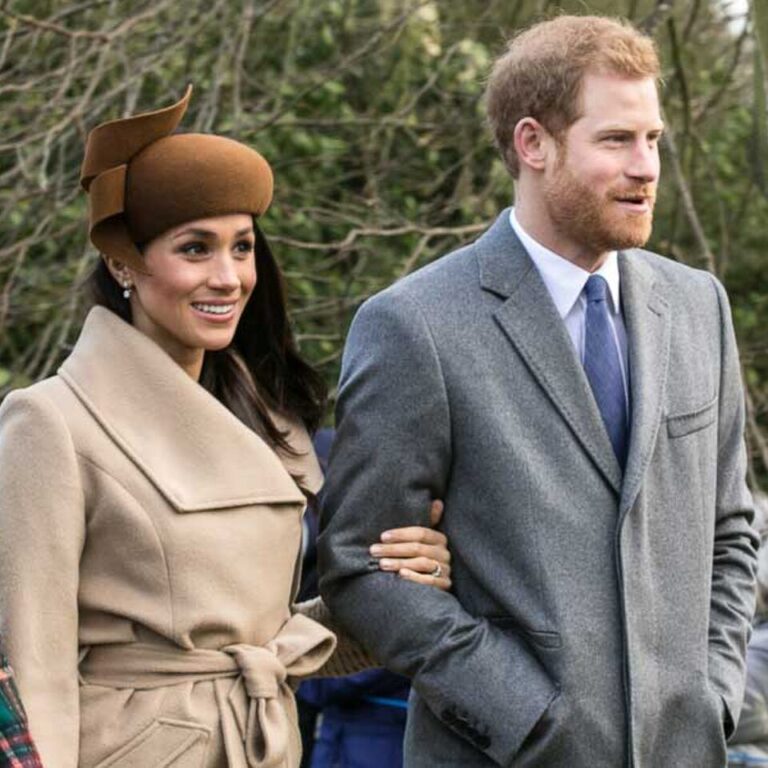
Your hairstyle could count against you. At San Francisco’s Clift Hotel, conservative grooming rules extended beyond clothing to men’s hair. In 1971, actor Burt Lancaster and his long-haired son were refused admission to the Redwood Room, an incident that attracted national newspaper coverage. The hotel advertised that it could refuse service to men with “unconventional hair styling.” After the hotel president’s death in 1973, the policy softened, welcoming well-dressed men whose hair extended below their collars. Dinner reservations apparently were not the only thing worth checking.
A missing necktie could earn you a loaner. Some established fine-dining restaurants struggled with men arriving in turtlenecks or without ties during the 1960s and 1970s. At New York’s “21,” Whitaker documents a maître d’ who supplied necktie-less customers with conspicuously garish ties. The borrowed accessory served as both admission equipment and a pointed reminder of the house rules. Other restaurants relaxed their standards instead, accepting dressy casual clothing. This was a period of negotiation, not a decade when every dinner required a tuxedo.
Women wearing pants were still breaking barriers. Pants might seem an unremarkable dinner choice, but their acceptance in luxury New York restaurants was still changing in the early 1970s. Whitaker notes that women wearing trousers gained entry as informality spread and restaurants faced economic pressure. By the late ’70s, many upscale establishments accepted dressy casual outfits, including designer jeans and collared shirts. The important distinction is that these restrictions belonged to particular formal dining settings, not every café or family restaurant.
Settling Into Your Seat
Smoking was part of the dining-room arrangement. Restaurants supplied ashtrays and branded matches, and efforts to separate smokers from nonsmokers gathered momentum during the ’70s. Denny’s announced in 1977 that it would set aside 25% of its dining areas for nonsmoking customers, with other chains joining the trend. Minnesota’s 1975 Indoor Clean Air Act also restricted restaurant smoking to designated areas. A nonsmoking section represented a policy change, rather than the entirely smoke-free dining room many diners expect now.
The salad bar could be a main attraction. Self-service salad bars became restaurant fixtures in the 1970s, spreading beyond the inexpensive steakhouses strongly associated with them. Customers assembled plates from ingredients such as cherry tomatoes, bacon bits, and dressings, rather than receiving a pre-composed salad from the kitchen.Some restaurants made the display part of their theme: Victoria Station locations used vintage baggage carts, while other establishments incorporated barrels. It was dinner with a little build-your-own engineering and occasionally a theatrical serving station.
Dinner came with an antique-store atmosphere. Theme restaurants flourished, filling dining rooms with stained glass, old photographs, vintage-looking fixtures and elaborate names. Demand for decorative telephone booths and barber chairs became strong enough that suppliers manufactured reproduction antiques. Not everyone found the effect charming: Whitaker records a Columbia, Missouri, reviewer complaining in 1978 about familiar brick floors, Tiffany lamps and stained-glass details. Nostalgia was not merely something customers brought to dinner. Restaurants were actively selling it back to them.
Related: Small-Town Restaurant Becomes Community Gathering Place as Local Dining Scene Evolves
When the Food Arrived
A garnish might be there purely for looks. Decorative parsley, lettuce, citrus and carved vegetables could occupy considerable space on a restaurant plate. Whitaker documents how garnishing gained importance around 1970 as restaurants sought to enliven the appearance of prepared and frozen entrées. Hospitality writer Bruce H. Axler explained the visual pressure in his 1974 book: “The dramatic four-color, full-spread photos of food appearing in magazines have set visual standards for the restaurateur.” The plate needed to look impressive, even before anyone considered photographing it themselves.
The excess did not impress every food authority. James Beard, the influential cookbook author and culinary teacher, objected to elaborate garnishes, including tomato flowers and strawberries placed inside grapefruit halves. Whitaker describes his frustration with decoration that seemed disconnected from the dish. The lesson is not that every ’70s chef prioritized appearance over flavor. It is that decorative plating was already contentious, and even a seemingly innocent strawberry could become the subject of a culinary argument.
A cocktail could arrive with a performance. At Columbus, Ohio’s Kahiki, an elaborate Polynesian-themed restaurant, drink presentation was part of the entertainment. Whitaker records a Mystery Drink served with four straws and a presentation involving a gong, a lei and a kiss. Other drinks produced theatrical fumes using dry ice, while the setting featured simulated thunder and lightning. These were American fantasy-themed restaurant experiences, not evidence of authentic Polynesian dining customs. The spectacle mattered at least as much as what was in the glass.
Crêpes could carry the whole evening. During the decade’s crêperie boom, thin pancakes were not confined to dessert or breakfast. Restaurants served savory versions filled with creamed chicken or ratatouille, alongside sweet options, making crêpes a lunch, dinner or late-night meal. The Magic Pan helped popularize the format, combining French-inspired surroundings with moderately priced food and, at many locations, service as late as midnight. Ordering crêpes could mean a full restaurant outing, not merely something sweet after the main course.
Together, these examples reveal a decade pulling in two directions: away from restrictive formality and toward casual dining with plenty of entertainment. Some restaurants loosened clothing rules while others doubled down on elaborate surroundings and presentations. The ’70s dining room was not one uniform place frozen in amber. It was changing quickly, and sometimes the strangest part of dinner happened before the food arrived.
Other Posts You May Like
7 Different Dining Customs From Around The Globe
Americans Are Fed Up With The Cost Of Living: 9 Things They Can No Longer Afford
12 Things Millennials Are Leaving Behind—And Why It’s for the Best