From Crispy Breakfast Wraps to Stuffed Mussels: 5 Street Foods to Try
Some of the best food experiences happen nowhere near a white tablecloth. They happen beside a sizzling griddle, at a roadside grill, in a busy market, or from a vendor handing over something wrapped in paper. Street food can tell you as much about a place as its restaurants, especially when the preparation, flavors, and serving style are part of the experience.
These five street foods stand out because each offers something different. One is a griddled Chinese breakfast wrap. Another combines fried bread and curried chickpeas in Trinidad and Tobago. The others include smoky, spice coated meat from Nigeria, freshly fried bread from Hungary, and rice stuffed mussels from Türkiye.
Jianbing, China
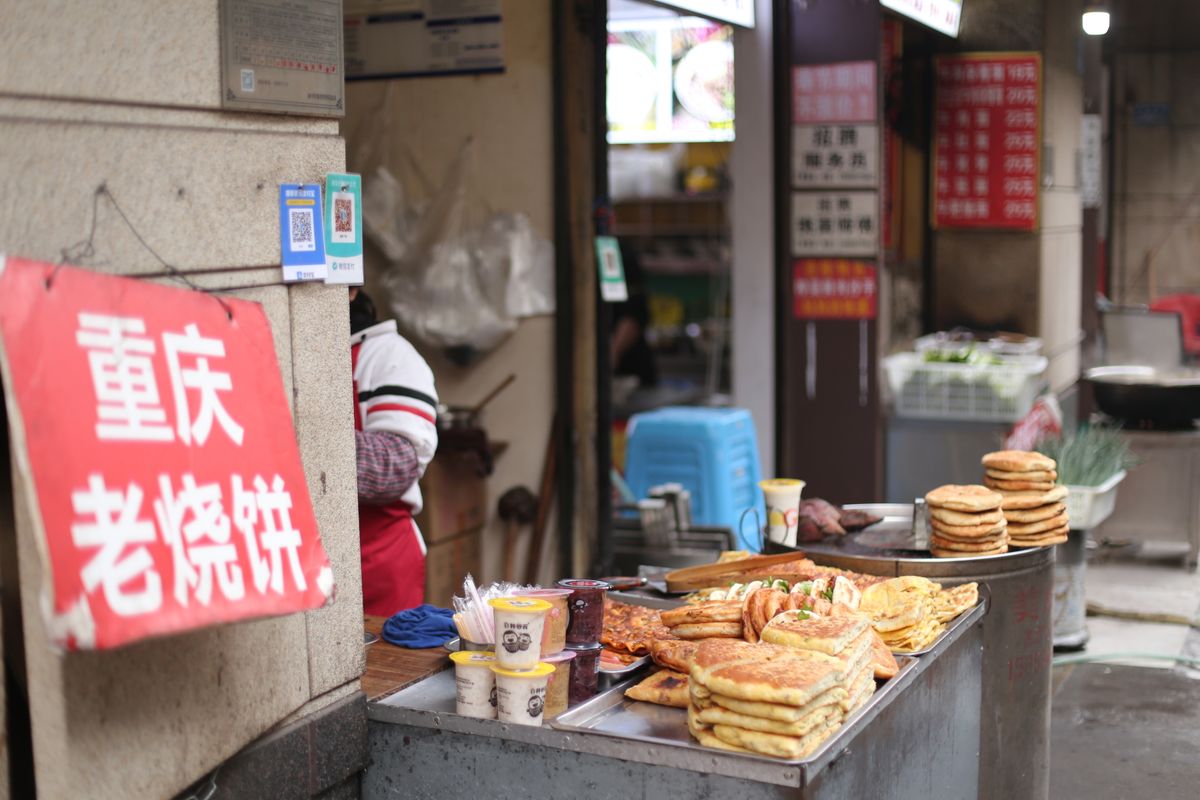
If you enjoy watching food being made right in front of you, jianbing deserves a place near the top of your list. This Chinese street breakfast begins with a thin layer of batter spread across a circular griddle. An egg is spread over the surface, then topped with sauces, scallions, and a crisp fried element or dough stick, depending on the regional style. The result is folded into a handheld parcel. That combination of textures is what makes it so appealing. The wrapper is soft and thin, while the center can provide a distinctly crisp contrast. Tianjin is particularly associated with jianbing guozi, a regional preparation that uses its own combination of batter and fried filling.
The research identifies Xibeijiao in Tianjin as the strongest destination lead and notes recent 2025 reporting on active vendors there. It also cautions against repeating old legends about a specific ancient inventor because the exact origin story has not been securely established. For travelers, part of the attraction is the preparation itself. Watching the batter spread, the egg cook, and the finished pancake fold together makes this much more than a quick breakfast.
Related Post: 6 Incredible Street Food Dishes to Add to Your Bucket List
Doubles, Trinidad and Tobago
The name might sound simple, but doubles is anything but an ordinary sandwich. A serving consists of two pieces of bara, or soft fried flatbread, filled with channa, curried chickpeas that form the dish’s heart. Tamarind, pepper sauce, herbs, and other condiments add layers of tart, sweet, and spicy flavor. The texture is also distinctive. Instead of a crunchy shell, you get soft fried bread surrounding tender, saucy chickpeas. People commonly eat it by hand, making it well suited to the roadside food culture doubles is known for.
Trinidad’s Indo-Trinidadian community played an important role in developing the dish. Research links doubles to Princes Town and the 1930s, but competing family accounts make it better to avoid naming a single undisputed inventor. For a traveler, Debe is the strongest destination lead in the research. The street food experience matters as much as the ingredients: vendors assemble the food, and customers can customize the sauces and toppings. It is a good reminder that street food does not have to be complicated to be memorable. Fried bread, chickpeas, and the right combination of condiments can create an experience all its own.
Suya, Nigeria
Few foods capture the atmosphere of an evening street grill quite like suya. Strongly associated with northern Nigerian and Hausa culinary traditions, suya consists of thinly sliced meat seasoned with yaji, a distinctive spice mixture, before being threaded onto skewers and grilled over direct heat. The seasoning is central to its identity. The research describes its flavor as smoky, nutty, and chile-hot, with the groundnut based spice coating helping distinguish suya from other grilled-skewer dishes. In Lagos, suya is closely associated with evening street eating. Reporting from Saveur notes that grills become active after 5 p.m., while more recent international coverage from Food & Wine and CNN has brought Nigerian suya to a wider audience.
Raw onion and tomato can accompany the meat, adding a fresh contrast to the smoky, heavily seasoned skewers. One detail to remember: suya isn’t limited to one type of meat or one fixed spice formula. The research specifically warns against reducing yaji to ordinary peanut butter or assuming every vendor uses the same seasoning blend. For food lovers, that variation is part of the fun. The basic idea is recognizable, but the character can change from one grill to another.
Midye Dolma, Türkiye
Mussels might not be the first thing you think of when you hear “street food,” but Istanbul has a memorable way of serving them. Midye dolma consists of mussels stuffed with seasoned rice, cooked, and then served. The rice can include onions, spices, herbs, dried fruit, or nuts, depending on the preparation. Then comes the part that makes the eating experience particularly memorable: lemon. The vendor presents the mussel, opens the shell, adds lemon, and serves it. The loose shell can even serve as a scoop, letting diners lift the rice and mussel out together.
Istanbul is the strongest destination in the research, with Taksim and Beyoğlu specifically identified as areas associated with the street-food experience. Official Turkish tourism material also describes vendors selling the mussels from street corners and carts, including late-night settings. Unlike jianbing or suya, midye dolma is not necessarily cooked in front of you. Much of the preparation happens before the vendor begins serving. That difference matters because it makes the experience less about watching the cooking and more about the ritual of opening, seasoning, and eating each mussel. Don’t confuse it with midye tava, which refers to fried mussels. They are different preparations.
Lángos, Hungary
Lángos proves that fried bread can be destination-worthy. This Hungarian specialty starts with leavened dough that is stretched or flattened and deep-fried. The finished bread has a crisp browned exterior and a soft, airy interior. The classic combination highlighted by Hungary’s official tourism material is garlic, sour cream, and grated cheese. People add the toppings after frying, creating a contrast between hot, crisp bread and cool, tangy dairy, pungent garlic,, and salty cheese. Budapest is the strongest destination choice in the research, with Rákóczi Square Market Hall identified as a useful market setting in 2025 local food coverage. Freshness is part of the appeal. Lángos is meant to be eaten hot, when the contrast between its crisp exterior and soft interior is at its best.
It is tempting to describe it as Hungarian pizza, but that comparison can obscure what makes the food interesting. Lángos is fried dough with its own preparation and topping traditions, not simply a Hungarian version of pizza. The research also cautions against making overly specific claims about its ancient origins because the exact chronology has not been firmly established.
Street Food Is About More Than the Food
These five are worth seeking out for more than what is on the plate. Jianbing offers the spectacle of batter, egg and crisp filling being layered and folded on a griddle. Doubles brings together soft fried bread, curried chickpeas and contrasting sauces. Suya turns an evening charcoal grill into part of the experience. Lángos is about hot fried dough and immediate toppings. Midye dolma adds an unusual serving ritual, with the shell becoming part of the way you eat.
That is the real appeal of street food. The setting, preparation, and serving style become part of the meal. Sometimes, that is what makes a quick bite the kind of food experience you remember long after the last bite.