Boomers Are Calling Out the Once-Cheap Grocery Staples That Now Cost a Small Fortune
There is a familiar grocery-store conversation that starts with, “I remember when this was cheap.” Ground beef, coffee, sugar, and even a simple restaurant meal can certainly look different on today’s receipt than they did decades ago.
But the story is more complicated than nostalgia alone. U.S. food-at-home prices were 2.2% higher in August 2026 than they were a year earlier, according to the Bureau of Labor Statistics, while the USDA forecasts food-at-home prices to rise another 2.4% in 2026. Restaurant-menu prices are forecast to rise 3.5%.
That does not mean every grocery staple is getting more expensive at the same pace. In fact, eggs were 23% cheaper in August 2026 than a year earlier. Here are some of the familiar foods and everyday purchases that help explain why grocery bills can feel so different.
Ground Beef
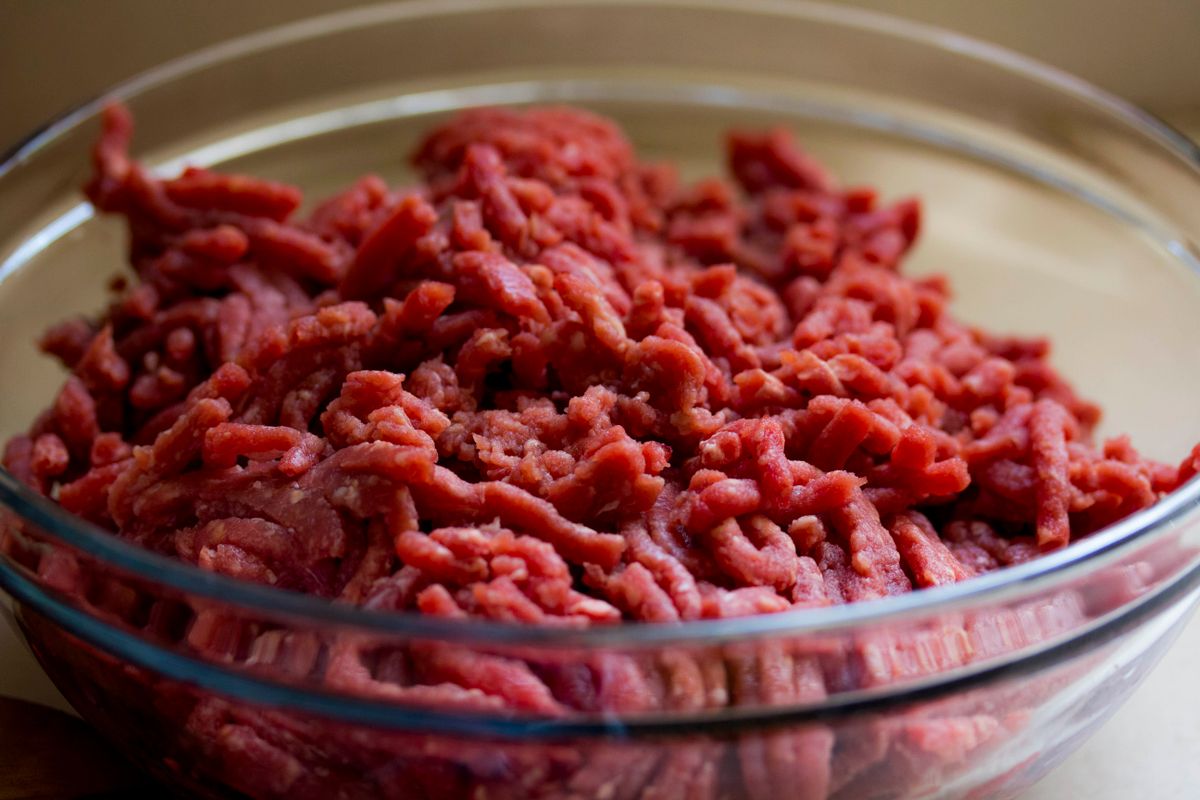
Ground beef may be one of the clearest examples of a food once associated with economical family meals. It has long been used for burgers, meatloaf, tacos, and other everyday dinners, but its current price is considerably higher than many shoppers remember.
Regular ground beef averaged $6.92 per pound in August 2026, up 9.6% from a year earlier. That makes it a particularly useful example of how the price of a familiar grocery staple can change over time.
Related: 8 Things Boomers Could Be Priced Out of in the Next Decade
Ground Coffee
For people who drink coffee every day, even a modest change in the price of a bag can become noticeable over the course of a year. That makes coffee an especially relatable example when older shoppers compare grocery receipts across different eras.
Ground coffee averaged $9.30 per pound in August 2026, while the BLS coffee index was 6.1% higher than it was a year earlier. The numbers do not explain every reason behind the increase, but they do show that the familiar morning staple has not been immune to changing prices.
Sugar
Sugar has the ultimate pantry-staple reputation. It shows up in everything from iced tea and homemade desserts to birthday cakes and holiday baking, which makes its price especially noticeable when the grocery bill starts climbing.
The USDA recorded a 5.1% increase in the sugar-and-sweets category in 2025 and projected that the category would grow faster than its 20-year historical average in 2026. That does not provide a single current price for a bag of sugar, but it does show why the category belongs in the conversation.
Bacon
Bacon is another food that can trigger memories of inexpensive breakfasts, but the latest numbers provide an important twist. Sliced bacon averaged $6.61 per pound in August 2026, yet that was actually 8.4% cheaper than a year earlier.
So bacon works better as a reminder that grocery prices do not all move in one direction at the same time. A food can feel expensive in raw dollars compared with decades ago while still becoming cheaper over the previous year.
Fresh Fruit
Fresh fruit can seem like one of the simplest things to put in a grocery cart, but produce prices can vary considerably depending on the product, season, store, and location. That makes broad statements about every fruit becoming more expensive difficult to support.
The USDA forecasts fresh-fruit prices to rise faster than the category’s 20-year historical average in 2026. It is a useful category-level signal, but it does not mean every apple, berry, grape, or citrus fruit is following the same price pattern.
Fresh Vegetables
Vegetables have a similar place in the everyday grocery budget. Potatoes, onions, carrots, and salad ingredients are familiar parts of family meals, yet shoppers can see different prices depending on what they buy and where they shop.
For 2026, the USDA forecasts fresh-vegetable prices to grow faster than their 20-year historical average. That is a category forecast, not a prediction that every vegetable will cost more at every store.
A Family Restaurant Meal
The changing cost of food is not limited to the supermarket. Older shoppers may also notice the difference when paying for a diner breakfast, a burger-and-fries outing, or a family steak dinner.
The USDA expects food-away-from-home prices to increase 3.5% in 2026, compared with a 2.4% forecast increase for food at home. That helps explain why eating out can feel like a noticeably bigger part of the household budget.
Packaged Drinks
Coffee is not the only beverage category worth watching. Juice, soda, and other nonalcoholic drinks are recurring purchases, so even category-level price changes can add up across repeated grocery trips.
Non-alcoholic beverage prices increased 3.8% in 2025, and the USDA forecasts the category to grow faster than its 20-year historical average in 2026. That does not mean every type of drink moved at the same rate, but it does show that beverages belong in the wider grocery-price conversation.
Eggs, the Reality Check
Eggs are where the simple “everything costs more” story falls apart. Their prices have been a major source of grocery-price anxiety, but the latest BLS figures show that the egg index was 23% lower in August 2026 than in August 2025, even after rising 3.5% from July to August.
That is an important reminder when looking at grocery prices: one month, one food, or one personal shopping trip cannot tell the entire story. Prices vary by product, region, retailer, and time, which is why comparable official data matter.
The next time an old grocery receipt sparks a “when did this get so expensive?” conversation, the answer may depend on exactly what is in the cart.