8 Things People Commonly Steal From Grocery Stores (And Some Might Surprise You)
You walk into a grocery store planning to buy milk, bread, and maybe a few snacks. Everything seems normal until you notice that your favorite detergent is missing or the liquor bottles are locked behind glass.
Ever wondered why?
Grocery store theft isn’t always about expensive products. Sometimes, the biggest headaches for retailers come from ordinary household essentials like razor blades, laundry detergent, and even energy drinks.
According to the National Retail Federation (NRF), organized retail thieves often target products that can be resold for cash. That means everyday supermarket items can become surprisingly attractive targets.
Here are eight grocery store products that have been identified as frequent theft targets in retail industry reports. While no reliable nationwide ranking shows which items get stolen most, some of these documented targets might genuinely surprise you.
Packaged Fresh Meat
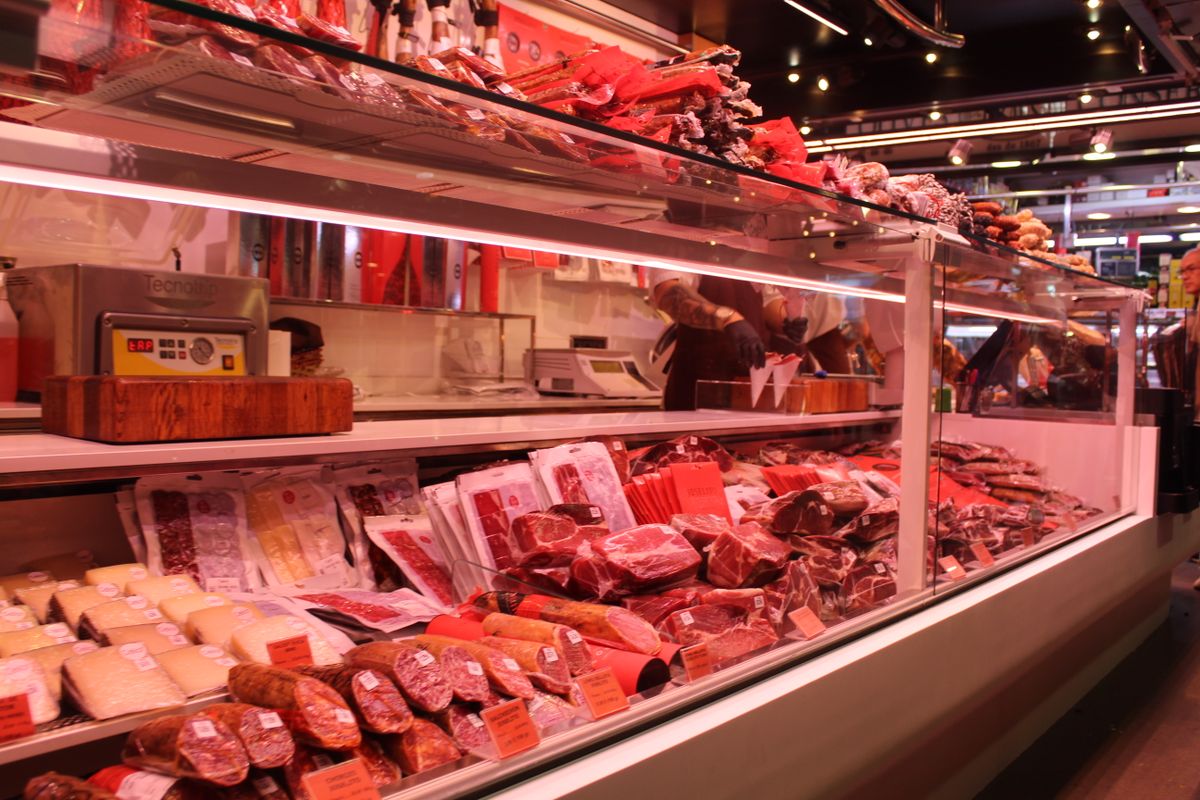
That expensive steak sitting in the refrigerated section might be getting more attention than you think.
Fresh meat is one of the grocery categories identified in organized retail theft reports. In a 2023 Food Industry Association (FMI) survey, 70% of participating food retailers said protecting meat was a major concern.
Why meat? Its retail value and resale potential make it attractive to organized thieves.
Interestingly, retailers expressed considerably more concern about meat theft than theft involving produce or frozen foods.
Think about it. While you’re standing there deciding whether chicken or beef is the better deal, store employees are worrying about entire packages disappearing without payment.
For supermarkets, the problem isn’t just losing one expensive cut. Repeated incidents can create substantial inventory losses over time.
Bottled Liquor

Ever noticed how some grocery stores keep their expensive alcohol locked behind glass?
There’s a reason for that.
Bottled liquor is a documented target for retail thieves, particularly when organized groups are involved.
In July 2025, California authorities recovered 71 allegedly stolen liquor bottles, mostly tequila, valued at more than $3,000.
Another investigation reported in December 2025 connected six suspects to 26 alleged Safeway theft incidents involving approximately $52,000 in merchandise.
Some of those incidents involved alcohol taken from locked displays and storage areas.
And here’s the surprising part: security measures don’t always stop determined thieves.
For shoppers, that can mean waiting for an employee to unlock a cabinet just to buy a bottle.
Infant Formula
Infant formula might be one of the most unexpected products on this list.
But according to the Loss Prevention Research Council (LPRC), organized retail criminals target it.
A September 2026 Florida investigation connected an alleged resale operation to more than 150 formula thefts across multiple retailers between 2024 and 2026.
Investigators reported that the operation generated more than $1.1 million in sales revenue during part of that period.
That’s an astonishing figure for a product most shoppers associate with an ordinary family shopping list.
The alleged operation involved shoplifters supplying merchandise to people who bought it to resell.
It also demonstrates something important: not every formula theft involves someone taking a product for personal use. Some documented cases involve organized commercial operations.
Branded Laundry Detergent
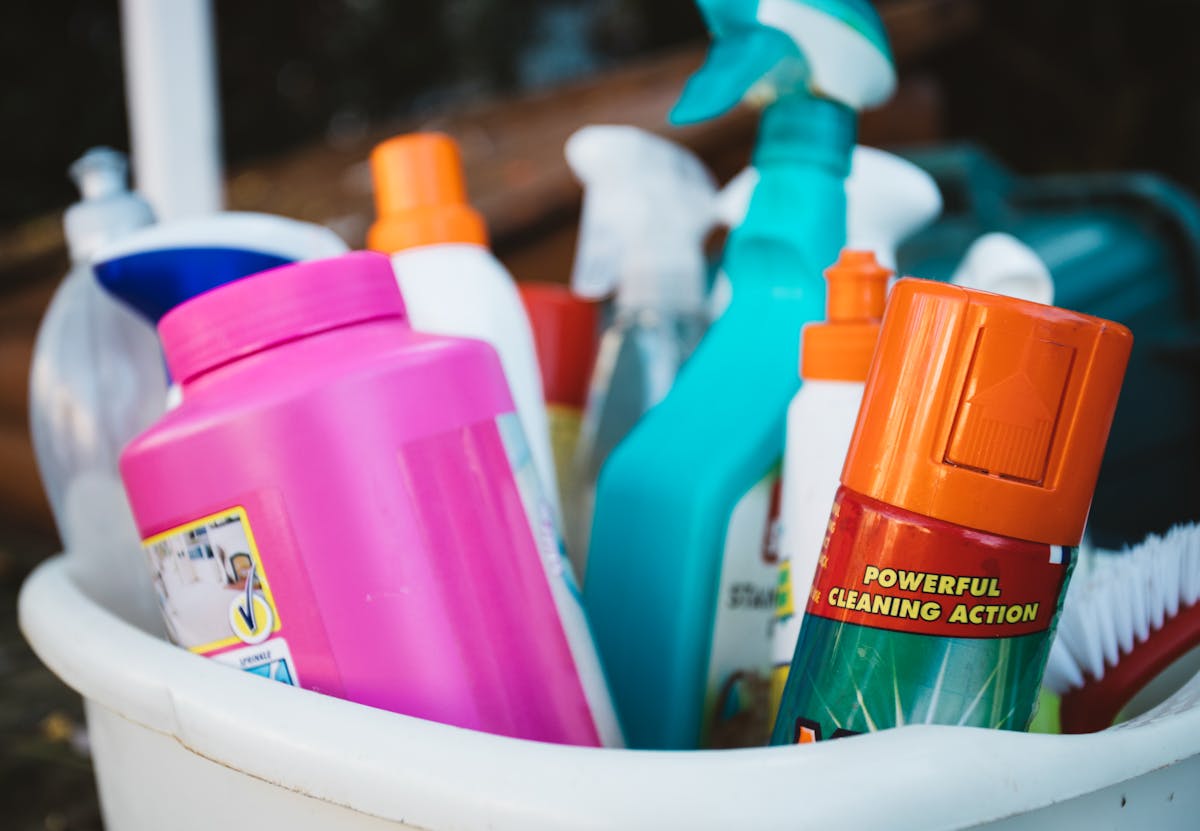
Imagine walking into your regular supermarket to buy Tide, only to discover the store has stopped selling it because of theft concerns.
That actually happened.
In 2023, a Giant Food store in Washington, D.C., removed certain national brands, including Tide, and, where possible, replaced them with private-label alternatives.
According to the retailer’s president, they targeted recognizable national brands partly because of their resale value and ease of theft.
Who would have thought laundry detergent could become valuable merchandise in an organized theft operation?
The interesting part is how the supermarket responded.
Instead of simply putting everything behind locked cabinets, it changed which products customers could purchase.
So, if your favorite brand suddenly disappears from the shelf, theft prevention could be one possible explanation.
Related: 8 Old-Fashioned Cleaning Tricks That Still Work
Energy Drinks
Those colorful cans sitting in the beverage aisle aren’t just popular refreshments.
They’re also documented targets of retail theft.
Energy drinks appeared on NRF lists of products targeted by organized retail criminals.
Why would someone steal beverages instead of something more expensive?
One explanation involves resale. Products that are easy to transport and can sit on shelves for extended periods may appeal to people looking to turn stolen merchandise into cash.
In October 2026, investigators in Colonie, New York, reported that a deli allegedly purchased shoplifted energy drinks, beauty products, and cleaning supplies for resale.
The investigation showed how ordinary supermarket products can become part of a much larger alleged operation.
Suddenly, that single can in the refrigerator doesn’t seem quite so ordinary.
Razor Blades and Replacement Cartridges
You may have noticed that razor blades are sometimes stored in locked cabinets or displayed with security packaging.
Retail theft concerns help explain why.
NRF reports identify razors and shaving products as targets for organized theft.
In 2023, Schick razor blades were among the branded products removed from one Giant Food store in Washington, D.C., as part of its theft-prevention response.
The retailer planned to offer store-brand alternatives where possible.
What makes this especially interesting is that razor blades take up relatively little shelf space, yet they can still become a significant concern for supermarkets.
And for customers, the consequences can be frustrating.
Instead of grabbing your usual replacement cartridges and heading to checkout, you might find yourself searching for another brand.
Cosmetics and Makeup
A little lipstick, mascara, or foundation might not seem like a major target for retail thieves.
But those small purchases can add up to surprisingly large amounts of merchandise.
In January 2025, authorities in Harris County, Texas, accused four people of stealing approximately $4,000 worth of makeup from a Kroger store.
Deputies reportedly recovered the merchandise and returned it to the retailer.
Cosmetics and beauty products also appear in national industry reports that identify retail merchandise commonly targeted.
Their resale potential may be one reason organized thieves find them appealing.
And unlike large household products, individual makeup items can be relatively small.
For shoppers, this helps explain why some stores place additional security measures around beauty products.
That innocent-looking cosmetics aisle can be a much bigger retail security concern than you might expect.
Candy and Chewing Gum
Now, this one might genuinely surprise you.
Candy and chewing gum appeared on NRF food-and-beverage theft target lists in both 2022 and 2023.
Yes, the same little treats sitting near the checkout counter.
Unlike expensive liquor or higher-priced personal-care products, candy and gum usually come with relatively modest individual price tags.
So why would they appear in industry theft reports?
The NRF lists these products as targets for financial gain, though the available evidence doesn’t show how often candy theft involves resale rather than personal consumption.
Still, it’s fascinating that such ordinary products appear alongside much more expensive merchandise.
It shows supermarkets must protect products across their stores, not just those with expensive price tags.
Why Grocery Store Theft Matters More Than You Think
Grocery store theft isn’t just about a few missing products. It can influence how supermarkets operate, which brands they stock, and how customers shop.
Some retailers respond by introducing locked displays, increasing security, or replacing frequently targeted national brands with store-brand alternatives.
However, not every missing product is stolen. Retail inventory losses can also result from spoilage, damage, and operational mistakes.
And despite the attention retail theft receives, the latest NRF survey reported that average shoplifting incidents among participating retailers declined 12.4% between 2024 and 2025.
The real surprise is that thieves don’t always target luxury products. Sometimes, everyday essentials are attractive precisely because they resell well.
So, the next time you’re walking through the grocery store and notice a locked cabinet or a familiar brand missing from the shelves, remember that there’s sometimes a bigger story behind those ordinary shopping aisles.
Related: 10 Grocery Items Americans Are Cutting Back On Due to Inflation