7 Foods Immigrants Helped Make Part of American Cuisine
Think about the last time you grabbed a slice of pizza, ordered a hamburger, or picked up a bagel for breakfast. These foods feel so familiar that it is easy to forget how far their stories stretch beyond American kitchens.
Many dishes Americans enjoy today have been shaped by immigrants who brought cooking traditions with them, opened neighborhood restaurants, and adapted recipes to new ingredients and customers.
Some foods arrived with established histories, while others developed into something different in the United States. Either way, the people behind them helped shape American food culture.
Here are seven familiar foods with immigrant stories worth knowing.
Pizza
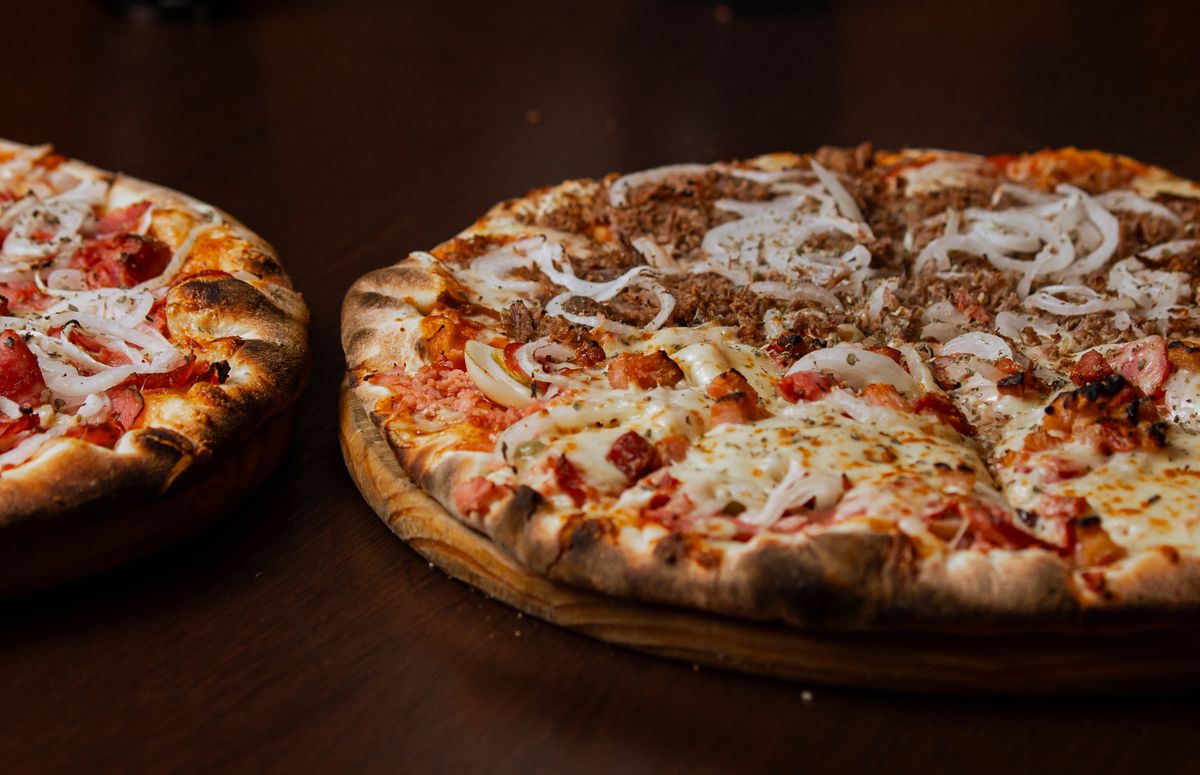
Before pizza became a familiar American takeout favorite, it was closely associated with Naples, Italy.
Southern Italian immigrants brought their pizza-making traditions to American cities during the late 19th and early 20th centuries. In neighborhoods such as Manhattan’s Little Italy, small pizzerias introduced customers to a food that was already part of everyday life back home.
American kitchens also influenced how pizza was made. As the Museum of the City of New York explains in its history of New York pizza, local pizza makers used commercial bread ovens, whose larger capacity and coal-fired heat helped produce bigger pies than those traditionally associated with Naples.
Over time, neighborhood pizzerias became gathering places and familiar businesses in American cities.
The pizza Americans recognize today reflects both Italian culinary traditions and the changes those traditions underwent in a new environment.
Bagels
A toasted bagel with cream cheese might seem like a typical American breakfast, but its history reaches back centuries.
Bagels were part of Jewish food traditions in Poland, with written records mentioning them in Kraków as early as 1610, according to Smithsonian Magazine’s brief history of the bagel.
Eastern European Jewish immigrants brought bagel-making traditions to the United States during the late 19th and early 20th centuries.
Neighborhood bakeries and street vendors helped establish bagels in American Jewish communities, particularly in cities with large immigrant populations.
Their popularity eventually spread beyond those neighborhoods. The Lender family’s frozen-bagel business played an important role by making bagels available in supermarkets.
What began as an established cultural food became increasingly accessible to American shoppers who had never visited a traditional Jewish bakery.
Hot Dogs
Few foods are more closely associated with American baseball games and summer outings than hot dogs.
However, their story has strong connections to European sausage-making traditions.
Names such as frankfurter and wiener reflect associations with Frankfurt and Vienna. German immigrants helped bring these sausage traditions into American urban food culture.
One important figure was Charles Feltman, a German immigrant associated with Coney Island. He helped popularize serving sausages in rolls, making them convenient for customers who wanted something easy to eat while walking.
Street vendors, amusement destinations, and eventually sporting events helped introduce hot dogs to wider audiences.
Although the exact inventor of the modern hot dog remains disputed, German immigrant contributions to its development are well documented.
Related: 8 Cheap Fast-Food Meals That Could Be Costing You More Than You Think
Chop Suey
Chop suey tells a particularly interesting story about how immigrant cooking changes when cultures meet.
Its exact beginnings remain debated, but the dish has connections to Cantonese culinary traditions.
Food historian Andrew Coe describes immigrants from China’s Sze Yap region eating a dish known as shap suì in San Francisco.
Chinese American cooks and restaurateurs developed versions using locally available ingredients while appealing to changing customer preferences.
By the late 19th and early 20th centuries, chop suey had become a popular restaurant dish.
Its success was especially significant because Chinese American businesses operated during a period of widespread anti-Chinese discrimination.
Rather than being simply an American invention, chop suey illustrates how Chinese immigrant communities maintained and adapted their culinary traditions while building businesses in a challenging environment.
Tacos
Tacos are a delicious example of how a traditional food can take on different forms without losing its cultural roots.
Their origins are Mexican, although historians continue to debate exactly when the modern taco developed.
Mexican migrants and Mexican American communities helped establish taco traditions in the United States long before fast-food chains made them nationally recognizable.
As these communities adapted their cooking to ingredients available in American markets, some taco styles incorporated ground beef, cheddar cheese, iceberg lettuce, and tomatoes.
These ingredients became associated with certain American taco preparations, though they represent only a small part of the dish’s diversity.
Mexican American families, restaurants, and entrepreneurs helped shape this food’s place in American dining.
The story is about much more than fast-food expansion. It is also about communities preserving traditions while developing new ones.
Spaghetti and Meatballs
A generous plate of spaghetti covered in tomato sauce and large meatballs is a familiar sight in Italian American restaurants.
But the version many Americans recognize developed through immigrant adaptation.
Italian cuisine already included pasta dishes and meatball traditions, including polpette. What changed in America was how these familiar foods came together.
Italian immigrants encountered different ingredients and economic circumstances in the United States. Greater access to meat helped make larger meatballs a more practical part of family cooking.
Pairing substantial meatballs with spaghetti gradually became a recognizable Italian American meal.
That does not make the dish less connected to Italian heritage. Instead, it shows how immigrant families adjusted traditional cooking to the opportunities and circumstances of their new homes.
Related: 7 Foods That Block Your Body From Detoxing Properly
Hamburgers
The hamburger might be one of the strongest symbols of American fast food, but its history has important German connections. Even its name points toward Hamburg, Germany.
During the 1870s, German restaurants in New York served hamburger steak, a ground-beef dish typically eaten with a knife and fork. As TIME explains in its account of how the hamburger became an American favorite, this was an important predecessor of the modern hamburger sandwich.
Eventually, placing a beef patty between pieces of bread created a portable meal suited to busy customers.
Street vendors, diners, and later fast-food businesses helped establish the hamburger as a familiar part of American dining.
Several people and establishments have claimed credit for inventing the hamburger sandwich, but historians have not established one definitive inventor.
Its history is better understood as a series of developments that connected European food traditions with changing American eating habits.