9 Fish Orders to Think Twice About at Restaurants
Ordering seafood at a restaurant can feel like a treat. A sizzling swordfish steak, a plate of ahi tuna, or a buttery piece of Chilean sea bass sounds more exciting than another chicken entrée.
But some fish deserve a closer look before you order. The concern is not always that the dish itself is “bad.” In some cases, the issue is mercury. In others, it is sustainability, fishing method, or simply not knowing where the seafood came from.
That distinction matters. The FDA and EPA encourage eating fish and classify dozens of varieties as good choices. But they also identify several species with the highest mercury levels that certain groups, particularly pregnant or breastfeeding people and young children, should avoid.
So before you automatically order the seafood special, ask a few questions about these nine restaurant fish dishes first.
Swordfish
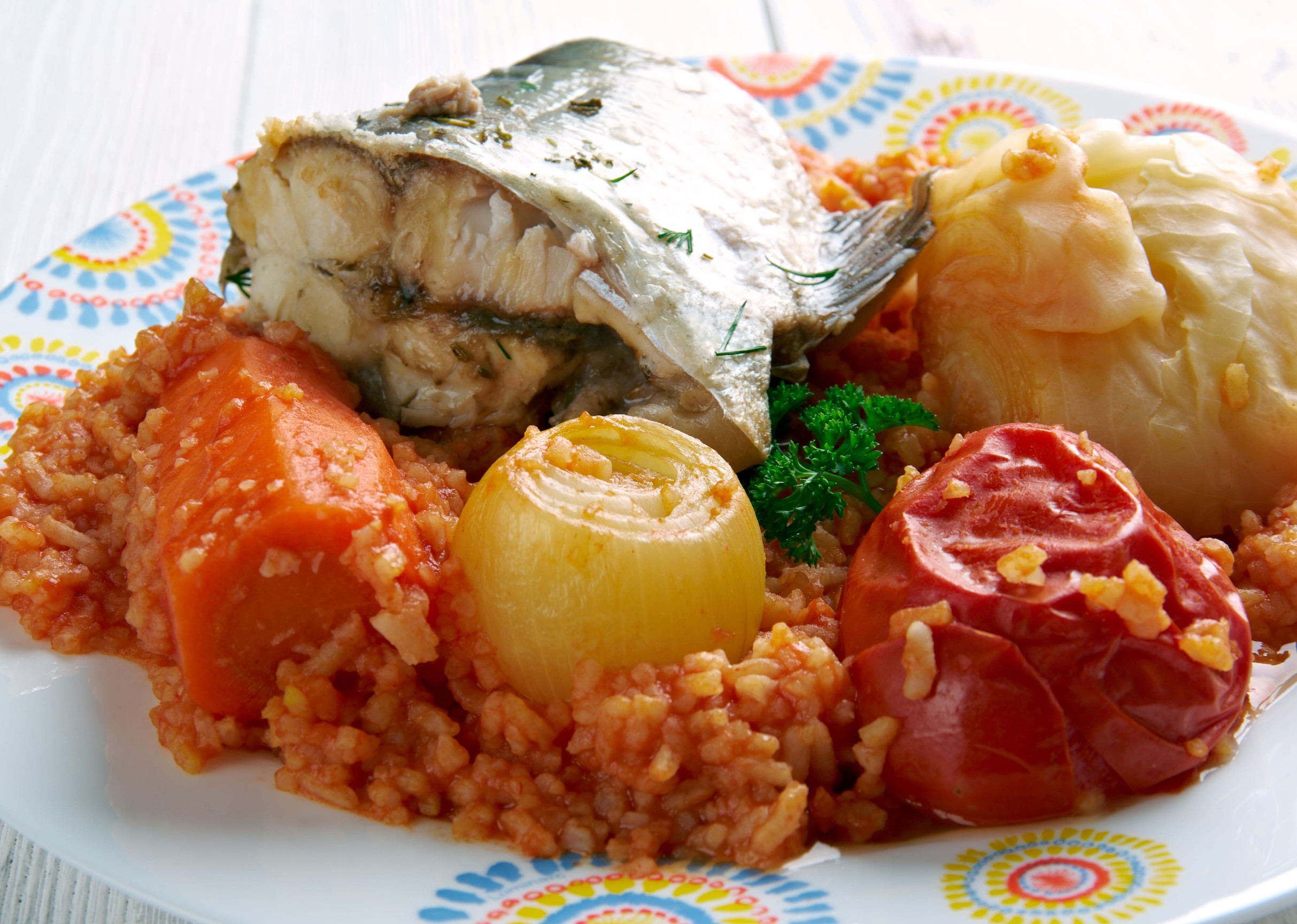
Swordfish has everything restaurants love in a premium seafood entrée: thick steaks, firm texture, and a meaty bite that stands up well to grilling.
The problem is mercury.
The FDA and EPA place swordfish in their “Choices to Avoid” category because of its high methylmercury content. FDA testing data cited in its technical guidance puts average swordfish mercury concentrations at about 1 part per million, among the highest levels on its seafood chart.
That warning is especially important for people who are pregnant or breastfeeding and for children.
For diners wanting something similarly substantial, lower-mercury options on the FDA’s “Best Choices” list include salmon, cod, haddock, and pollock.
King Mackerel
The word mackerel can be confusing because different species fall into very different categories.
Atlantic mackerel and Pacific chub mackerel are listed by the FDA as Best Choices.
King mackerel is not.
It lands in the agency’s “Choices to Avoid” group because larger predatory fish accumulate more mercury over their lifetimes. FDA data show king mackerel has an average mercury concentration of about 0.73 parts per million.
If a restaurant menu simply says “mackerel,” asking which species it is can make a surprisingly big difference.
Orange Roughy
Orange roughy sounds like a sophisticated seafood order, but this deep-water fish comes with two reasons to hesitate.
First is mercury. The FDA places orange roughy squarely in its highest-mercury “Choices to Avoid” group. Its technical data puts average mercury levels at roughly 0.57 parts per million.
The second concern is how slowly the species grows and reproduces. Orange roughy can live for many decades, which historically made some populations particularly vulnerable to heavy fishing.
For a mild white fish without the same mercury warning, cod, pollock, haddock, and flounder all appear on the FDA’s Best Choices list.
Bigeye Tuna
“Ahi tuna” sounds straightforward until you realize that ahi can refer to more than one tuna species.
That is why it is worth asking.
Yellowfin tuna is classified by the FDA as a Good Choice, while bigeye tuna is in the Choices to Avoid category because of its substantially higher mercury content.
FDA testing puts average mercury levels in bigeye tuna around 0.69 parts per million.
So if you are ordering tuna steak, poke, or seared ahi and the menu doesn’t identify the species, one quick question to your server can tell you much more than the word “tuna” alone.
Bluefin Tuna
Bluefin occupies a different kind of gray area.
It is prized for sushi and sashimi, particularly fatty cuts such as toro, and that prestige can make it one of the most expensive seafood orders on the menu.
But sustainability varies significantly depending on where and how the fish was caught or raised.
For example, Monterey Bay Aquarium’s Seafood Watch currently gives Atlantic bluefin tuna farmed in Mediterranean marine net pens a red “Avoid” rating, noting concerns that the farms depend on vulnerable wild stocks and require large quantities of feed fish.
That does not mean every bluefin fishery is identical. It does mean this is one of those restaurant orders where provenance matters.
If the restaurant cannot tell you where its bluefin came from, you are ordering with limited information.
Chilean Sea Bass
Here is one restaurant-menu trick worth knowing: Chilean sea bass is not really a sea bass.
It is the market name commonly used for Patagonian toothfish.
The species became notorious decades ago because illegal and unregulated fishing put significant pressure on stocks. Today, international catch-document systems track legal toothfish entering markets including the United States. NOAA says its program processes hundreds of U.S. toothfish import documents each year.
The situation is therefore more nuanced than “never order it.”
There are responsibly managed sources.
From a mercury standpoint, FDA classifies Chilean sea bass as a Good Choice, rather than a species to avoid.
The smart move at a restaurant is to ask whether the fish comes from a traceable, responsibly managed fishery.
Related: 6 Foods You Probably Didn’t Know Are Heavily Restricted in the United States
Imported Shrimp With No Sourcing Information
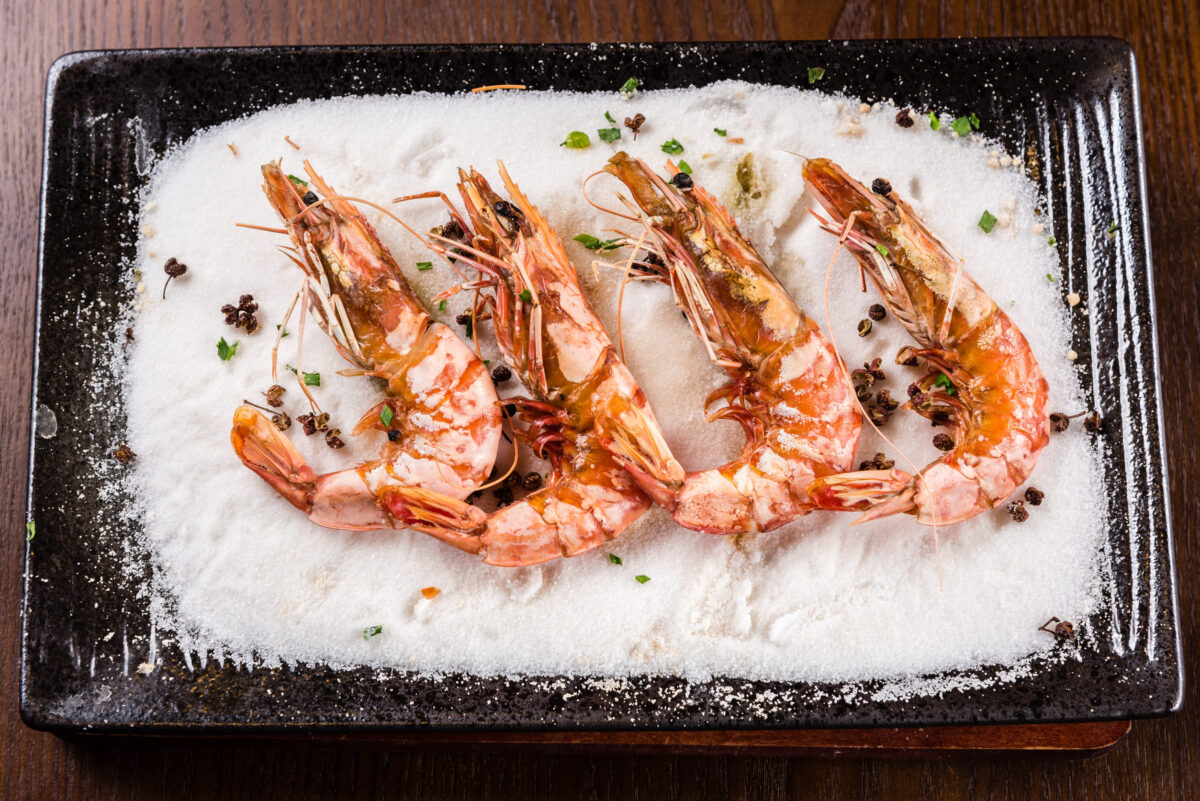
Shrimp itself isn’t dangerous. In fact, the FDA lists shrimp among its Best Choices for mercury.
The more useful question is where it came from.
The United States imports enormous quantities of shrimp, and the FDA continues to maintain import alerts involving certain overseas aquaculture operations.
For example, an FDA import alert updated in August 2026 allows detention of certain farm-raised shrimp and prawn products from Peninsular Malaysia because of findings involving unapproved animal drugs or unsafe food additives.
That does not mean imported shrimp as a category is unsafe.
It means a vague menu description such as “shrimp platter” tells you very little. Restaurants that can identify the country, fishery, or farm supplying their shrimp give diners much more useful information.
Mahi-Mahi From an Unspecified Source
Mahi-mahi often shows up as the carefree tropical option: grilled, blackened, tucked into tacos, or served with mango salsa.
From a mercury perspective, it isn’t one of the FDA’s highest-concern fish. The agency places mahi-mahi in its Good Choices category, with average mercury levels around 0.18 parts per million.
The bigger issue is that sustainability depends on where the fish was caught and what gear was used.
So “avoid it” is too simplistic for this dish.
Ask where it came from. A restaurant that takes seafood sourcing seriously should usually be able to provide more than “it’s fresh.”
Farmed Salmon When the Source Is a Mystery
Farmed salmon deserves a correction to how it is sometimes portrayed online.
Older reports about contaminants in farmed salmon are frequently repeated as if nothing has changed in aquaculture or seafood monitoring for decades. Current FDA guidance does not tell consumers to avoid farmed salmon.
In fact, the FDA places salmon in its Best Choices category for mercury, and its testing data show very low average mercury concentrations in fresh and frozen salmon.
The better restaurant question is about sourcing and farming practices.
Farmed salmon production varies greatly by country, producer, feed system, and environmental standards. If sustainability matters to you, ask where the salmon was raised rather than assuming “farmed” automatically means bad and “wild” automatically means good.
The Menu Description Doesn’t Tell the Whole Story
The biggest takeaway is not that restaurant seafood should make you nervous.
It is that species and sourcing matter.
Swordfish, king mackerel, orange roughy, and bigeye tuna deserve particular attention because the FDA and EPA explicitly identify them among fish with the highest mercury levels. Other seafood, including salmon, shrimp, mahi-mahi, and Chilean sea bass, requires more nuance because the concern may depend on origin or production method rather than the fish itself.
When it comes to raw seafood, another consideration comes into play. The FDA notes that raw or undercooked fish, including sushi and sashimi, is more likely than cooked seafood to contain parasites or harmful bacteria, which is especially important for people at higher risk of foodborne illness.
So the next time a seafood special catches your eye, you do not necessarily have to skip it.
Just ask the question most menus leave unanswered:
What fish is it, and where did it come from?