Trump Iran Deal Faces a Crisis of Credibility as “Last Chance” Diplomacy Returns
Trump says Iran has one final chance to reach a deal, but conflicting talks, depleted weapons, stalled shipping and repeated ceasefire failures reveal a war without a clear exit.
President Donald Trump has again placed the language of finality at the center of the Iran war. The Trump Iran deal is being presented as Tehran’s last opportunity to avoid a larger American attack. Yet five months of fighting have turned “last chance” into a phrase burdened by earlier deadlines that failed to end the conflict.
Washington says diplomacy persuaded Trump to postpone a major strike and open space for negotiations. Tehran says it is not negotiating with the United States and acknowledges only limited discussions with Oman about shipping. That gap is more than political theater because the two governments still disagree about the process, the agenda and the meaning of any settlement.
The original question remains urgent: can mediation reopen the Strait of Hormuz and lead to nuclear talks? A deeper question now shadows it. Is the Trump Iran deal a final offer from a dominant power, or an attempt by both sides to escape a costly war neither has managed to finish?
A Final Warning That No Longer Sounds Final

Trump says negotiators should first reopen the Strait of Hormuz and then address Iran’s nuclear program. He called the current talks Iran’s “last chance” and suggested that answers could emerge quickly. Iran has not publicly endorsed either phase of that sequence.
The warning carries force because the United States can still launch devastating strikes. However, its credibility also depends on whether Trump follows through when diplomacy stalls. Previous pauses ended with renewed missile attacks, drone launches and American airstrikes, creating a pattern of temporary calm rather than durable peace.
Each delayed offensive may serve a rational purpose, especially when mediators report progress. Still, repeated extensions teach Tehran that another appeal from Gulf governments might move the deadline again. The Trump Iran deal therefore faces a credibility problem before either side signs a document.
The June memorandum illustrated that danger. It promised an end to hostilities, the removal of the U.S. blockade, restored commercial traffic and negotiations toward a final agreement within 60 days. Competing interpretations soon overwhelmed those commitments and returned both countries to military confrontation.
Two Governments Are Describing Different Peace Processes
Trump says talks have begun because Iran and regional governments requested more time. Iranian officials deny direct negotiations with Washington and describe their engagement as a bilateral discussion with Oman. Qatar, Pakistan and Oman appear to be carrying proposals between the parties.
Indirect diplomacy can produce real agreements, as past American contacts with Iran have shown. The problem is not the absence of a shared conference table. The problem is that Tehran rejects the broader framework Trump says mediators are already discussing.
That contradiction leaves every public claim open to challenge. Washington can say Iran entered negotiations, while Tehran can insist it never accepted American terms. If the process fails, each government can accuse the other of abandoning an agreement that the other side says never existed.
The Trump Iran deal cannot become durable while basic definitions remain unsettled. The parties must identify who speaks for whom, which proposals carry authority, and what counts as acceptance. Without that clarity, diplomacy becomes another arena for tactical messaging rather than a bridge out of war.
Hormuz Is Not Merely the Route, It Is the Prize

The Strait of Hormuz connects Persian Gulf producers with global markets and carries immense strategic weight. In 2024, about 20 percent of global liquefied natural gas trade passed through the waterway, mostly from Qatar. Asian economies received most of those cargoes, making instability a concern far beyond the Middle East.
The emerging maritime proposal would reportedly give Iran oversight of inbound traffic while Oman manages outbound passage. Negotiators have also discussed service fees tied to security and environmental protection. Washington rejects any arrangement that lets Tehran decide which vessels may use an international route.
This dispute reveals why reopening Hormuz is not a technical matter. Iran wants recognition of a security role that reflects geography, sovereignty and wartime leverage. The United States wants free passage without compulsory Iranian approval, inspection or tolls.
A badly designed Trump Iran deal could reward the pressure campaign it seeks to end. Iran may not need to close the strait permanently if it gains accepted authority to monitor or interrupt traffic. That outcome could convert months of coercion into a lasting political advantage.
Oman also faces a difficult calculation. It wants safe shipping and regional stability, but it does not want a temporary arrangement to weaken its authority over nearby waters. A corridor that calms markets today could plant the dispute that triggers the next crisis tomorrow.
The Battlefield Arithmetic Is Catching Up With Washington
American military power remains far greater than Iran’s, but sustained warfare has exposed limits that political rhetoric cannot erase. Reuters reported that the Army has used virtually all available ATACMS and Precision Strike Missiles during the conflict. Those weapons allow long-range attacks without placing pilots directly over heavily defended targets.
The same reporting cited estimates that the war consumed about 65 percent of available Patriot interceptors and reduced THAAD inventories by at least 38 percent. Sources also said the Navy used a little less than half its Tomahawk supply. The White House disputed suggestions that the United States lacks enough weapons and pointed to increased production.
No public evidence proves that shortages alone caused Trump to postpone the latest strike. Gulf pressure and diplomatic contacts also influenced the decision. Still, the inventory figures change how the Trump Iran deal should be understood.
Washington may be giving Iran one final diplomatic opening, but it may also need time to protect global military readiness. Advanced missiles require complex supply chains and long production schedules. Weapons used over Iran cannot simultaneously deter a crisis involving Russia, China or another heavily armed rival.
Iran understands that imbalance and exploits it through cheaper drones and missiles. It does not need to defeat American forces in conventional combat. It can impose repeated defensive costs, stretch interceptor inventories and make every month of war more difficult to sustain.
Markets Hear Peace While Ships Still Hear War
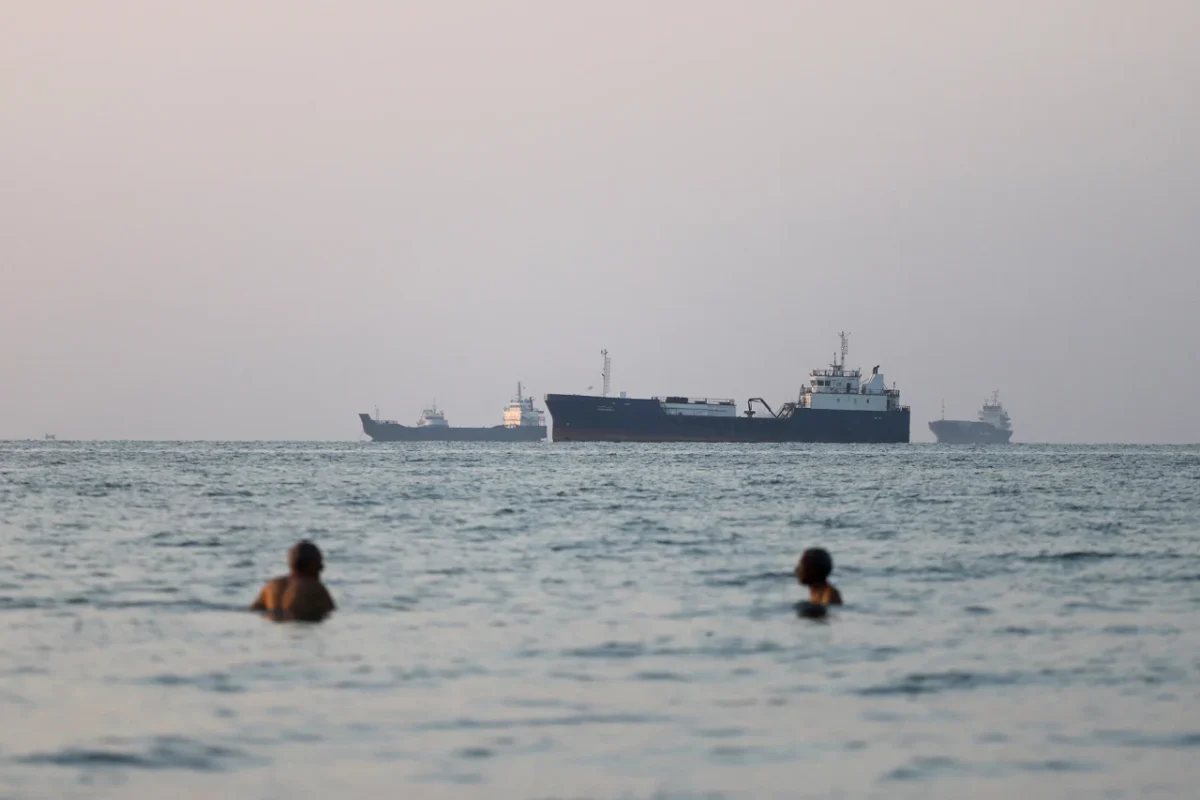
Diplomatic optimism can move oil prices within minutes, but shipowners respond to physical danger. Maritime data showed only six identified vessels crossing Hormuz on Monday, down from seven the previous day. The numbers remained extremely weak despite public claims that negotiators were making progress.
A cargo ship was also struck by an unidentified projectile near Oman while talks continued. The incident underlined the gap between a diplomatic announcement and a secure operating environment. Captains and insurers must calculate risks that politicians can postpone discussing.
Every voyage now carries questions about missiles, drones, mines, detention and changing naval rules. Insurance costs remain high when no authority can guarantee that yesterday’s corridor will remain valid tomorrow. The Trump Iran deal will gain credibility only when commercial traffic returns in sustained numbers.
The economic damage also travels far from the battlefield. Delayed energy cargoes influence fuel prices, industrial costs and household budgets across Asia, Europe and North America. A family at a gasoline station may never see Hormuz, yet the conflict can still reach its monthly expenses.
A Costly War Still Lacks a Clear Political Return
Defense Secretary Pete Hegseth told senators in July that the war had cost the Pentagon about $37.5 billion. The department also requested $67.1 billion in supplemental funding, including money for operations, munitions, cybersecurity, drones and readiness. Only part of that request related directly to Iran, but the scale showed the pressure created by prolonged conflict.
American forces have destroyed missile sites, surveillance systems, storage facilities and naval capabilities. CENTCOM said it struck more than 300 Iranian targets across three nights in July. Yet Hormuz remained restricted, the nuclear dispute continued, and later pauses failed to stop renewed violence.
That difference separates tactical success from strategic success. Destroying a radar station produces a visible battlefield result. Converting that destruction into stable maritime rules and enforceable nuclear limits requires political concessions that air power alone has not secured.
The Trump Iran deal must therefore answer a question that bombing cannot. What outcome justifies the financial cost, depleted inventories, military casualties and wider regional exposure? Another temporary corridor may reduce pressure, but it would not automatically deliver the broader settlement Trump has promised.
Gulf Allies Are Trapped Between Protection and Retaliation

Saudi Arabia and other Gulf governments reportedly urged Trump to delay the planned attack. They rely on American security support, but they also sit within range of Iranian missiles and drones. Ports, airports, energy installations and bases could absorb the immediate consequences of another escalation.
Their calls for restraint do not necessarily represent sympathy for Tehran. They reflect geography and vulnerability. Washington can launch operations from a distance, while Gulf societies may confront disrupted flights, damaged infrastructure and frightened residents within hours.
The Trump Iran deal must account for those allies because they cannot remain passive staging grounds indefinitely. They need the United States to deter Iran, yet they also need Washington to avoid actions that trigger uncontrolled retaliation. That contradiction gives mediators influence over the pace of American military decisions.
The Gulf states also fear a settlement that grants Iran lasting leverage over Hormuz. Their economies depend on predictable exports and secure sea lanes. A ceasefire that leaves Tehran able to supervise or threaten commerce may freeze the conflict rather than solve it.
The Domestic Clock May Be Moving Faster Than Diplomacy
American voters increasingly question the value of the war. An AP-NORC survey found that 64 percent of adults believed it had not been worth fighting, while only about three in 10 approved of Trump’s handling of Iran. The poll also showed strong concern about rising oil and gas prices.
Those figures create political pressure ahead of the midterm elections. Trump needs a result that voters can recognize, such as lower fuel prices, reopened shipping, verifiable nuclear limits or a durable ceasefire. Another brief pause followed by renewed attacks would deepen the impression of a conflict without direction.
The Trump Iran deal therefore speaks to two audiences. It tells Tehran that military escalation remains possible. It also tells Americans that the administration still has a diplomatic path toward ending a war most respondents now view negatively.
That risk is especially acute in the nuclear phase. Trump says denuclearization will follow the reopening of Hormuz, but the parties have not announced shared terms on enrichment, inspections, sanctions relief or enforcement. A maritime agreement could succeed while the central nuclear confrontation remains untouched.
The Last Chance May Belong to Both Sides

Iran remains under severe military and economic pressure. The United States can strike targets across the country, maintain maritime pressure and intensify sanctions. Tehran nevertheless retains enough missile, drone and geographic leverage to make the conflict expensive for Washington and dangerous for its partners.
The Trump Iran deal could still create a meaningful exit. A verified shipping arrangement could reduce risk to crews, stabilize energy markets and open space for nuclear negotiations. Success, however, requires shared definitions, enforceable rules and consequences that both governments accept.
Without those foundations, another pause may simply give each side time to reload. Iran could preserve its ability to threaten Hormuz, while Washington rebuilds stockpiles and prepares new target lists. The war would then continue through alternating episodes of violence and negotiation.
Trump calls the moment Iran’s last chance, but the phrase now carries a broader meaning. It may also represent America’s last credible opportunity to turn battlefield power into a political result before costs, shortages and public opposition narrow its choices further. The unanswered question is whether either government still seeks peace, or merely a better position for the next round.