12 Things You Can Get for Free at Grocery Stores That Many Shoppers Overlook
Grocery shopping can take a significant bite out of a household budget, especially as food, cleaning products, and everyday essentials keep putting pressure on shoppers. But while most people focus on comparing prices and searching for discounts, they may overlook small freebies some grocery stores offer.
From complimentary food samples and free paper bags to ice for certain purchases and help packing groceries, supermarkets sometimes offer useful extras at no extra cost. Some benefits are available to everyone, while others depend on store policies, membership programs, local regulations, or special promotions.
However, not every supermarket offers the same perks. A service free at one retailer may cost money at another, and some offers are available only in certain countries.
Here are 12 things worth asking about the next time you visit a grocery store.
Free Food Samples
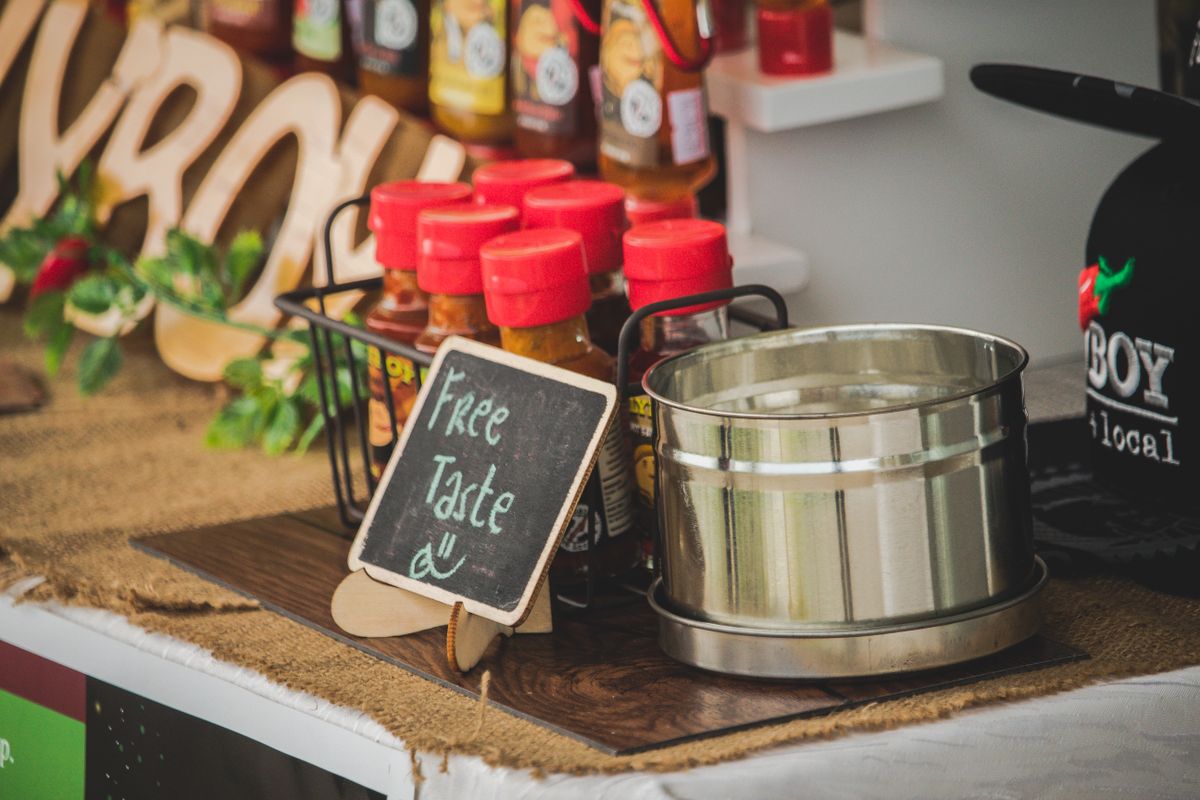
One of the most familiar supermarket freebies is the food sample.
Some grocery stores offer small portions of cheese, biscuits, fruit, juice, snacks, and other products to encourage shoppers to try something before buying it.
These samples allow customers to discover new flavors without committing to a full package. They can also help shoppers decide whether an unfamiliar product is worth the price.
Samples are more common during promotional events, weekends and product launches. However, many supermarkets no longer offer them routinely, so availability depends on the retailer.
Free Fruit for Children
Some family-friendly supermarkets offer complimentary pieces of fruit to young children while their parents shop.
The idea is to make grocery shopping more welcoming for families and encourage healthier snack choices. Depending on the store, children may be offered bananas, apples or other suitable fruit.
This is not a universal supermarket benefit. Parents should ask staff whether the store has a children’s fruit program rather than assuming that fruit displayed for sale can be taken without payment.
Free Paper Bags or Shopping Bags
In some locations, grocery stores provide paper or other shopping bags at no charge. In others, bags cost extra, or shoppers are expected to bring reusable alternatives.
Environmental regulations have changed bag policies in many countries, with some places restricting single-use plastic bags to reduce pollution.
Before you reach the checkout, check whether bags are included with your purchase or whether you need to bring your own.
A free bag may seem like a small saving, but regular shoppers can reduce recurring expenses by keeping reusable bags in the car, handbag or backpack.
Free Ice for Certain Purchases
Some supermarkets, particularly those selling fresh seafood, meat or temperature-sensitive products, may provide ice to help customers keep purchases cold during transport.
This can be useful when shoppers have a long journey home or need to transport food in warm weather.
However, free ice is not a standard benefit. Some stores charge for it, while others offer it only under certain conditions.
Ask the seafood or customer service department whether ice is available and whether the store has any restrictions.
Free Product Coupons
Coupons can reduce grocery prices, and some stores provide them through receipts, loyalty programs, promotional displays, or digital apps.
A coupon may offer a discount on a future purchase or, in certain promotions, make a qualifying item free.
Read the conditions carefully. Some coupons require a minimum purchase, apply only to specific brands, or expire quickly.
The smartest approach is to use coupons for products you genuinely need, rather than buying unnecessary items to qualify for a discount.
Free Loyalty Program Membership
Many supermarket chains offer loyalty programs that let shoppers collect points, receive personalized offers, or access member-only discounts.
Some programs are free to join, although others charge membership fees or require customers to meet specific conditions.
A free membership may unlock lower prices on selected products, digital coupons, or rewards after you spend a certain amount.
Before signing up, review the program’s terms and privacy policy. Check whether points expire, whether rewards require a minimum balance, and whether the benefits justify sharing your shopping information.
Free Recipe Cards and Meal Ideas
Some grocery stores provide recipe cards, printed meal plans or digital cooking guides to help customers use the ingredients they sell.
These resources can help when you want to prepare an unfamiliar vegetable, stretch a limited food budget, or find new ways to cook affordable ingredients.
A recipe might suggest turning leftover vegetables into soup, combining beans with rice, or using seasonal produce in a simple family meal.
Even when printed cards aren’t available, supermarket websites may offer free recipes and shopping lists.
Using these resources can help reduce food waste and make meal planning easier.
Free Help Carrying Heavy Groceries
Some supermarkets help customers who struggle to carry heavy shopping bags, including older adults, people with disabilities, and customers with temporary mobility difficulties.
The service may include help with packing, carrying purchases to a vehicle, or arranging assistance through customer service.
Availability varies by store, staffing levels and local accessibility policies.
If you need help, ask a staff member before reaching the checkout. Don’t assume every supermarket offers a dedicated carrying service, especially at busy times.
Free Grocery Packing
In certain countries and supermarkets, employees or designated baggers help pack purchases at the checkout.
This can save time, especially for shoppers buying many items or those who have difficulty lifting and organizing groceries.
In other stores, customers are expected to pack their own purchases, or packing assistance may be limited to particular checkout lanes.
Some retailers also provide separate packing areas where customers can organize groceries into reusable bags.
Check the store’s usual practice, particularly if you are shopping somewhere unfamiliar.
Free Drinking Water
Some grocery stores provide drinking water through customer water dispensers, fountains, or complimentary cups in designated areas.
This can help during a long shopping trip, especially in hot weather.
However, free water is not guaranteed, and some stores restrict access to staff facilities or charge for bottled water.
If you are unsure, ask customer service whether shoppers can use a public drinking fountain or water station.
Carrying a reusable water bottle is another simple way to avoid spending money on bottled drinks.
Free Access to Restrooms
Public restroom access differs significantly between supermarkets and countries.
Some grocery stores let customers use their restrooms for free, while others reserve facilities for employees or customers who need assistance.
A restroom can be especially useful for families with young children, older shoppers, and people with certain medical needs.
If the facilities aren’t clearly marked, ask an employee where the nearest customer restroom is.
Remember that access policies vary, so treat this as a possible convenience rather than a guaranteed free service.
Free Price Checks
Some stores let customers verify an item’s price with a price-checking scanner or by asking an employee.
This can help shoppers avoid checkout surprises, especially when shelf labels are missing or promotional prices are unclear.
If an item scans at a different price than the advertised shelf price, ask the cashier or customer service desk to check.
Whether the store must honor a particular displayed price depends on local consumer protection laws and the circumstances.
Keeping an eye on prices can help prevent unnecessary spending and make it easier to compare products accurately.
Ask Before You Pay
Grocery stores sell products and services, so not every convenience is free. Still, some retailers offer samples, loyalty rewards, shopping assistance, and other customer services that can make shopping easier and more affordable.
The best way to benefit is to ask politely, check official store policies, and read the conditions attached to promotions.
To save money consistently, combine these small perks with practical habits: plan meals before shopping, compare unit prices, buy seasonal produce, use a shopping list, and avoid buying items just because they are advertised as free.
A complimentary sample or paper bag may not transform your household budget, but several small savings can add up over time.
The biggest lesson is simple: before assuming you must pay for every extra, ask what your grocery store offers at no additional cost. You may discover a useful benefit that makes your next shopping trip more convenient and helps you spend your money more wisely.
Posts You May Like: