Texas Senate showdown takes shape as Ken Paxton faces James Talarico in a battle over the state’s political future.
Texas has been the Republican Party’s fortress for decades. Still, a new Senate battle is raising a bigger question: Is the state’s political identity changing, or will conservative dominance remain stronger than ever?
The fight between Republican Ken Paxton and Democrat James Talarico is becoming more than a traditional Senate contest. It is turning into a national test of voter loyalty, generational change, suburban influence, and the future direction of one of America’s most politically important states.
Texas has long represented the center of Republican power. The state has not elected a Democrat to a statewide office since the 1990s, and its enormous population has made it one of the most valuable political prizes in the country. But the same state that once seemed politically untouchable has become a place where every election is watched closely for signs of change.
The reason is simple: Texas itself is changing.
Over the past decade, millions of new residents have moved into the state, major cities have expanded rapidly, and suburban communities that were once reliably Republican have become more competitive. While rural areas remain strongly conservative, metropolitan regions around Houston, Dallas-Fort Worth, Austin, and San Antonio have become the center of political battles that could determine future elections.
The Paxton-Talarico race now sits at the intersection of those changes.
Ken Paxton enters the race with a powerful conservative base and a complicated political history.
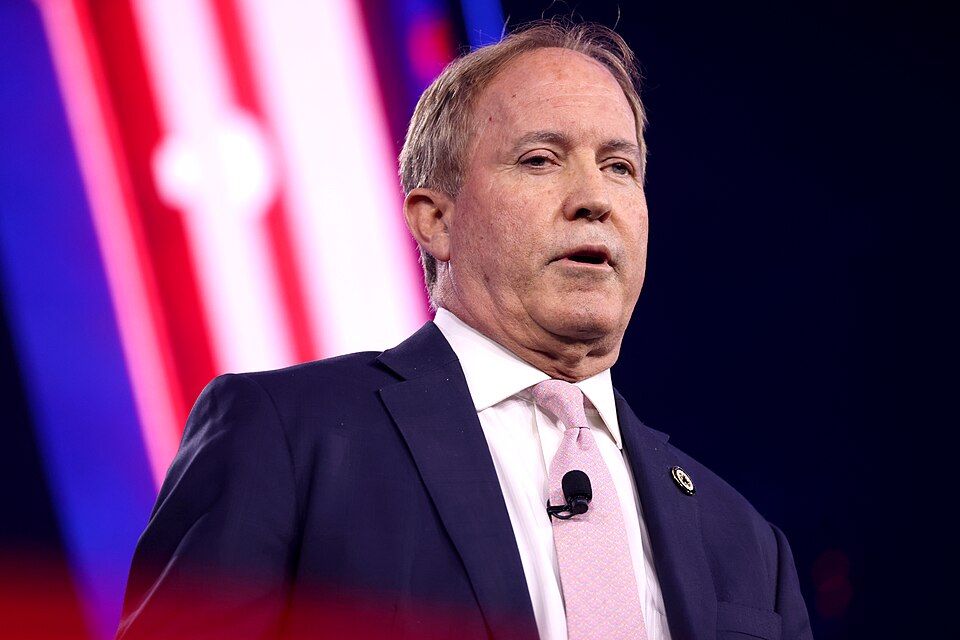
Paxton’s campaign is built around his reputation as a fighter for conservative causes, but his long public record guarantees that every part of his political career will face intense scrutiny.
Ken Paxton has become one of the most recognizable conservative figures in Texas politics. As the state’s attorney general, he gained national attention through legal battles involving federal policies, immigration enforcement, election laws, and issues important to Republican voters.
For many conservatives, Paxton represents the kind of aggressive leadership they believe Texas needs. His supporters argue that he has consistently defended the state’s interests and challenged policies they believe go against Texas values.
But Paxton’s political journey has also included controversy, creating a complicated picture for voters outside the Republican base. His opponents argue that his history could make it harder for him to win over independents and moderate voters who may not prioritize conservative identity alone.
That creates one of the central questions of the race:
Can Paxton maintain overwhelming support among Republican voters while also convincing less partisan Texans that he represents the future of the state?
The answer could determine whether Republicans keep their stronghold or face one of their toughest statewide tests in years.
James Talarico bets on a new generation of Texas voters
Talarico’s campaign is built around the idea that Texas voters may be more interested in practical solutions than traditional party battles.
James Talarico represents a different political style from Paxton. A former teacher and state lawmaker, Talarico has built his public image around education, affordability, government accountability, and connecting with voters who feel disconnected from traditional politics.
His campaign strategy focuses heavily on reaching younger voters, independents, and suburban Texans who have become increasingly important in statewide elections.
For Democrats, Texas has represented the ultimate long-term opportunity. The state’s growing diversity and changing urban centers have encouraged the party to invest heavily in building a stronger statewide presence.
However, winning Texas remains one of the biggest challenges in American politics.
Democrats have made gains in certain areas, but turning those improvements into a statewide victory requires building support across a massive and politically diverse state. A candidate must appeal not only to progressive voters in major cities but also to independents, working-class communities, and voters who may have supported Republicans for generations.
Talarico’s challenge is proving that his message can travel beyond Democratic strongholds and connect with a broader Texas electorate.
The suburban battlefield could decide the outcome.
The future of Texas politics may be decided in communities that once seemed predictable but are now up for grabs.
The suburbs have become the most important political battleground in America, and Texas is no exception.
Areas surrounding major cities have experienced rapid growth as families, professionals, and businesses have moved into expanding communities. These voters often do not fit neatly into traditional political categories.
Many suburban voters care about issues that cross party lines: housing costs, education quality, public safety, taxes, healthcare expenses, and economic opportunities.
For Republicans, winning suburban voters means maintaining the coalition that has powered decades of statewide victories.
For Democrats, gaining ground in these communities could create a path toward a historic breakthrough.
The race may ultimately come down to whether voters prioritize party identity or whether concerns about everyday life outweigh traditional political loyalties.
The “moderate” debate becomes one of the biggest fights of the campaign.
The battle over Talarico’s political identity reflects a larger national struggle over how candidates win voters in an increasingly divided country.
One of the biggest arguments surrounding Talarico is whether he represents a moderate shift designed to appeal to a wider audience or whether Republicans are attempting to define him before voters make their own decision.
Republican critics have accused him of adjusting his image to appear more centrist in a statewide race. They argue that voters need to look beyond campaign messaging and examine his full political record.
Talarico’s supporters counter that his approach reflects the reality of Texas politics: many voters want candidates focused on results rather than constant partisan conflict.
This debate is not unique to Texas. Across the country, candidates are trying to balance their party’s core supporters with independent voters who increasingly decide elections.
The Texas Senate race has become another example of a modern political reality: winning a primary and winning a general election require different strategies.
Texas becomes a national political battlefield.

A Senate race inside Texas could have consequences far beyond the state’s borders.
Because of its population size and political influence, Texas remains one of the most important states in America.
A Republican victory would reinforce the idea that Texas remains firmly conservative despite demographic changes and increased competition.
A Democratic victory would represent one of the biggest political shifts in modern Texas history and could reshape how both parties approach the state for years.
That is why national political groups are watching closely. Texas is not simply choosing a senator. The state is sending a message about where voters are moving on issues such as government trust, economic concerns, cultural debates, and leadership style.
A generational question sits behind the entire race.
The Paxton-Talarico contest is ultimately about whether Texas is entering a new political era or defending its old one.
Paxton represents the established conservative movement that has dominated Texas politics for decades.
Talarico represents a younger generation of politicians attempting to build a different coalition around changing demographics and new voter priorities.
The outcome will depend on whether Texas voters believe the state’s future should continue following the path of the past or whether changing communities and new concerns require a different direction.
For Republicans, the race is a test of whether their longtime advantage remains secure.
For Democrats, it is a chance to prove that Texas is no longer impossible territory.
And for voters, the decision is much bigger than two candidates.
It is a choice about what kind of Texas will emerge in the years ahead.