Before Pizza Night Took Over, American Families Ate These 8 Friday Dinners
Friday night dinner didn’t always mean grabbing the phone and ordering pizza. For many American families, especially during the 1950s and 1960s, Friday meant homemade casseroles, crispy fish, and comforting meals prepared with whatever was in the pantry. These traditions mattered especially in Catholic households, where avoiding meat on Fridays was a longstanding religious practice.
That changed in November 1966, when U.S. Catholic bishops ended the general requirement to abstain from meat on Fridays outside Lent. Meanwhile, pizza was gaining popularity and eventually became a familiar choice for convenient family dinners. Food historian Carol Helstosky told Michigan Public that opening a pizzeria was a promising business opportunity during America’s postwar expansion, which helps explain how pizza spread beyond its earlier communities.
Here are eight old-fashioned Friday dinners worth revisiting.
Friday Night Fish Fry
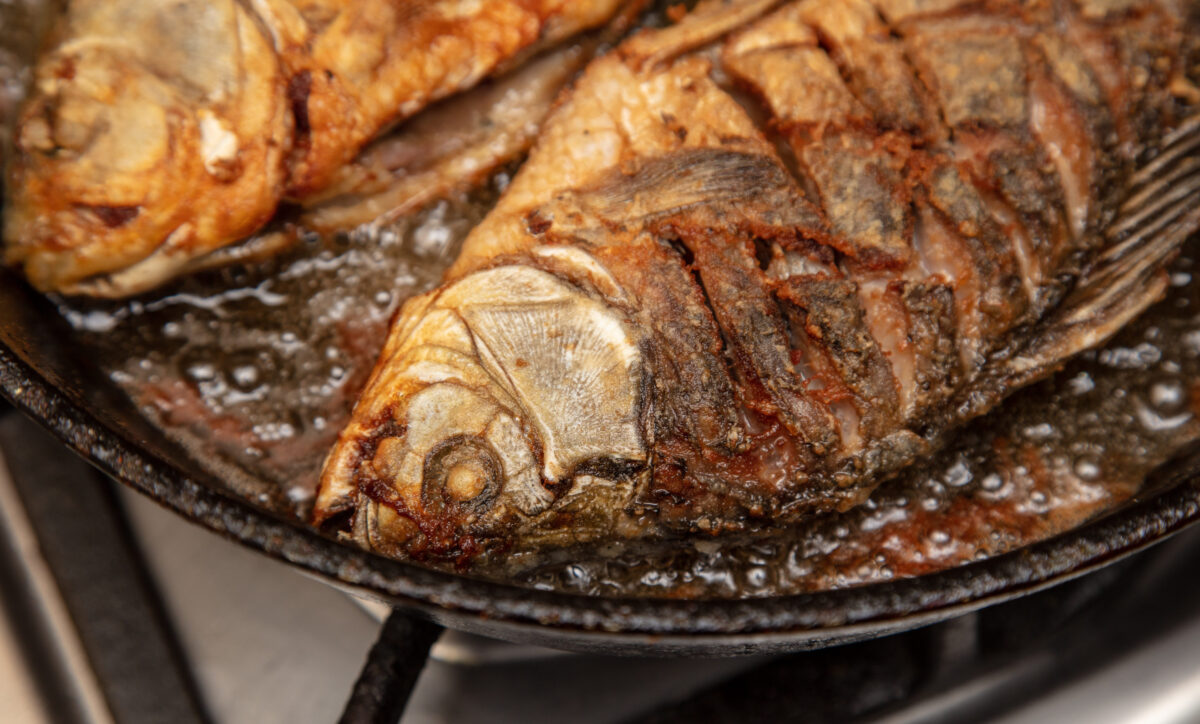
In many Midwestern communities, Friday fish fry was more than dinner; it was a weekly tradition that brought families together around plates of crispy fish.
In Wisconsin, fried perch, cod, and walleye were popular choices, often accompanied by coleslaw, potatoes, rye bread, and tartar sauce. The Wisconsin Historical Society traces the tradition partly to German Catholic immigrants who relied on locally available fish when religious practices called for avoiding meat on Fridays.
Families could prepare similar dinners at home, breading fish before frying it until golden and serving it with familiar side dishes. Interestingly, pizza never completely replaced this Friday tradition. Wisconsin restaurants and supper clubs still serve traditional fish fries, proving that some dinner customs are simply too beloved to disappear.
Fish Sticks and French Fries
Fish sticks and fries were a convenient option for families who wanted a meatless Friday dinner without spending the entire evening cooking. Gorton’s introduced its frozen, ready-to-cook fish sticks in 1953, helping make seafood preparation easier for American households.
Instead of cleaning, cutting, and breading fresh fish, parents could prepare frozen fish sticks and serve them alongside French fries or vegetables. The combination became especially familiar in households observing meatless Fridays, including those remembered in a Boston Globe account of family meals during the 1950s and 1960s.
For children, the crispy coating and simple presentation made fish sticks a recognizable dinner favorite. For busy parents, the appeal was equally straightforward: less preparation and fewer dishes.
Tuna Noodle Casserole
Tuna noodle casserole could turn a handful of ordinary pantry ingredients into a complete family meal. The familiar combination included canned tuna, egg noodles, condensed mushroom soup, and sometimes peas or a crunchy topping made from potato chips or breadcrumbs. Campbell’s still features a version using cream of mushroom soup, tuna, noodles, and buttered breadcrumbs.
The dish was especially associated with midcentury convenience cooking, when canned ingredients appeared throughout American recipe collections.
In a 1995 interview with The Spokesman-Review, caterer Sheila Collins recalled her Catholic family’s routine: “Every Friday we would have tuna noodle casserole with shoestring potatoes on top.” That memory captures why this creamy, inexpensive-to-assemble casserole became such a recognizable part of Friday dinner traditions.
Baked Macaroni and Cheese
Baked macaroni and cheese offered families a comforting, meatless dinner without relying on fish. Traditional versions combined cooked macaroni with a cheese sauce, then baked it until the top became golden and slightly crisp. The dish had existed in American cooking for generations, but convenient packaged versions helped broaden its appeal.
According to Smithsonian Magazine, Kraft introduced boxed macaroni and cheese in 1937, adding another simple dinner option to American kitchens.
During the 1950s and 1960s, Catholic families remembered macaroni and cheese as one of the meals they ate on meatless Fridays. Some households served it straight from the stovetop, while others preferred the baked version with a crunchy breadcrumb topping.
Homemade Salmon Patties
Salmon patties, sometimes called salmon croquettes, gave families another way to prepare a satisfying Friday dinner using canned seafood. A typical recipe combined canned salmon with eggs, breadcrumbs, onions, and seasoning, then shaped the mixture into small patties. They then fried them in a skillet until the outside developed a crisp, golden crust.
Salmon croquettes were familiar in midcentury Southern cooking, when canned fish offered a practical alternative to fresh seafood.
Families could serve the patties with fried potatoes, vegetables, or other simple sides. Personal accounts of old-fashioned Catholic Friday dinners specifically remember salmon croquettes as part of the weekly meatless rotation, showing how an ordinary pantry ingredient became a recurring family meal.
Grilled Cheese and Tomato Soup
Grilled cheese and tomato soup proved that a Friday dinner didn’t have to be elaborate to become memorable.
The combination of toasted bread, melted cheese, and warm tomato soup had long been familiar in American kitchens, long before modern pizza delivery became widespread. Its popularity grew alongside convenient foods such as packaged sliced bread, processed cheese, and canned soup.
For busy families, dinner could be as simple as heating soup while browning sandwiches in a skillet. A Boston Globe writer, recalling an Irish-Catholic childhood in the 1950s and 1960s, identified grilled cheese with tomato soup as a favorite Lenten meal.
The attraction is easy to understand: the combination required little effort while still making an ordinary Friday evening feel comforting.
Related: 10 Delicious Cheese Types Perfect for Boards and Cooking
New England Clam Chowder
New England clam chowder brought a different kind of comfort to the Friday dinner table, especially in coastal communities with longstanding seafood traditions.
The creamy soup typically combines clams, potatoes, onions, and a milk- or cream-based broth. Its history in New England stretches back generations, reflecting the region’s relationship with fishing and coastal cooking. As a seafood-based meal, clam chowder also fits the meatless Friday tradition when prepared without bacon or other meat ingredients.
It remains a choice for Friday parish dinners today, with church menus continuing to feature chowder during Lent. Served with bread or crackers, a steaming bowl offers an appealing alternative to another takeout night.
Breakfast for Dinner
Breakfast for dinner was an easy solution when families wanted something different on Friday without preparing an elaborate evening meal. French toast, scrambled eggs, and waffles could turn familiar breakfast ingredients into a supper that felt a little unusual and special. These dishes also worked for Catholic households because eggs and dairy products were permitted under traditional meat-abstinence rules.
A Boston Globe recollection of childhood dinners in the 1950s and 1960s describes French toast, waffles, and scrambled eggs appearing on the family’s meatless menu. The appeal hasn’t changed much: breakfast dishes are familiar, adaptable, and easy to prepare with ingredients many households already keep on hand. Sometimes the simplest dinner is the one everyone remembers most fondly.
Pizza may be a familiar Friday-night favorite now, but these eight classic dinners remind us that a memorable family meal doesn’t have to arrive in a cardboard box.
Related: 6 Reasons Why Skipping Dinner Could Be More Beneficial Than Skipping Breakfast