12 Things Customers Steal the Most From Grocery Stores
Grocery stores are places where millions of people shop every day for food, household supplies, personal care products, and other essentials. While most customers pay for everything they put in their shopping baskets, retailers continue to face a persistent problem: shoplifting.
From small everyday necessities to expensive packaged goods, shoplifters target a wide range of merchandise. Some items are attractive because they are easy to conceal, while others can be resold or used to cut regular household expenses. In some cases, people steal because of financial hardship; in others, theft is linked to organized retail crime.
Although the most frequently stolen products vary by location, store format, and season, certain categories regularly raise concerns for grocery retailers.
Here are 12 types of items that are commonly targeted by shoplifters in grocery stores and supermarkets.
Meat and Seafood
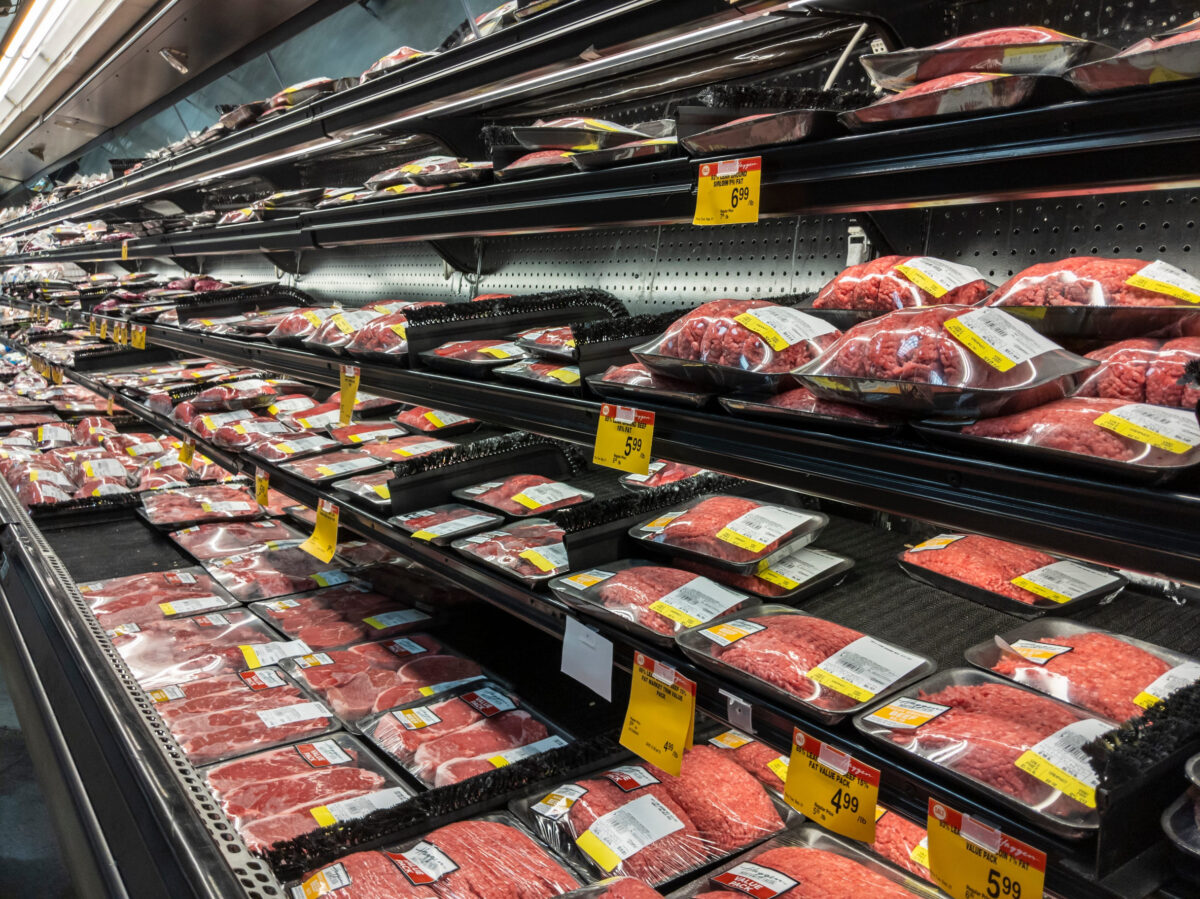
Meat is among the grocery products that can be particularly costly for shoppers, especially when household budgets are tight. Beef, steak, lamb, chicken, and seafood can account for a significant portion of a family’s weekly food spending.
Because of their relatively high prices, these products can be attractive targets for theft. Retailers may lose packaged cuts of meat, premium steaks, and other expensive animal proteins.
The problem can be especially challenging because meat products are perishable and require appropriate storage. When merchandise goes missing, stores lose not only the product’s value but also the potential revenue they would have earned from its sale.
To reduce losses, some supermarkets use security tags, improved camera coverage, staff monitoring, and inventory checks in meat departments.
Cheese and Other Dairy Products
Cheese is another food category that can attract shoplifters, particularly premium varieties and specialty products. Imported cheese, large blocks, and certain individually packaged products can be relatively expensive compared with everyday grocery staples.
Other dairy products, including butter and selected packaged items, may also be vulnerable to theft. Rising food prices can make these products harder for some households to afford, increasing temptation for people already under financial pressure.
However, financial hardship does not explain every theft. Some stolen merchandise may be taken for resale or personal use.
For retailers, keeping dairy products properly refrigerated while monitoring inventory adds another challenge. Security measures must protect merchandise without making ordinary shopping inconvenient.
Related Post:12 Surprisingly Common Items People Steal From Grocery Stores
Alcoholic Beverages
Wine, spirits, and other alcoholic beverages can be attractive targets because certain bottles have substantial resale value. Premium liquor, in particular, can cost considerably more than many everyday grocery products.
Supermarkets that sell alcohol may therefore add controls to their beverage sections. These can include security tags, locked displays for selected products, and staff assistance when customers want to purchase higher-priced bottles.
The risks vary from one retailer to another. A small neighborhood grocery store may face different challenges from a supermarket with a dedicated liquor department.
Alcohol theft can also create safety concerns when employees attempt to intervene. Retailers generally benefit from clear procedures that prioritize staff safety rather than encouraging workers to confront suspected shoplifters physically.
Cosmetics and Beauty Products
Cosmetics are widely sold in supermarkets, pharmacies, and large retail stores. Lipstick, mascara, foundation, skincare products, and other beauty items can be relatively expensive despite their small packaging.
Their size makes some products easier to conceal than larger household goods. Popular brands and specialized skincare products may also attract buyers in resale markets.
Retailers may respond by placing selected products in secured displays, improving visibility in beauty aisles, or conducting more frequent stock checks.
However, not every missing cosmetic item is necessarily stolen. Damaged packaging, scanning mistakes, and inventory-recording errors can also cause discrepancies. Stores must investigate losses carefully before concluding.
Razors and Replacement Blades
Disposable razors, shaving kits, and replacement blades are familiar examples of small personal-care products that can be costly relative to their size.
Many households purchase these items regularly, making them practical necessities rather than occasional luxuries. Replacement blades can be especially expensive, and some branded products cost more.
Their compact packaging and steady consumer demand can make them attractive to thieves. As a result, retailers may place certain shaving products in locked cabinets or use protective packaging.
Such measures can frustrate customers who want to buy everyday essentials. Stores must therefore balance theft prevention with convenience, ensuring that legitimate shoppers can access products without unnecessary delays.
Baby Formula
Baby formula is an essential product for families who rely on it to feed their infants. It can also be expensive, particularly when specialized varieties are required.
Because formula has consistent demand, retailers may closely monitor unexplained stock losses in this category. Theft can leave shelves empty and make it harder for parents and caregivers to find the products they need.
At the same time, formula shortages can result from supply-chain problems, purchasing limits, or sudden increases in demand. Missing inventory should not automatically be attributed to shoplifting.
Some retailers use purchase limits or secured displays for selected formula products. These approaches can help manage losses, but stores must ensure families can still access essential infant nutrition conveniently.
Coffee
Coffee is a staple in many households, but branded ground coffee, whole beans, and premium specialty products can become expensive as prices fluctuate.
Packaged coffee is relatively easy to store and has an established market, so some retailers monitor it closely for inventory losses.
Theft concerns can vary by product size and price point, depending on local shopping habits and the store’s merchandise selection.
Coffee shortages, however, may also reflect supplier disruptions, pricing changes, or unusually high demand. Accurate stock records and routine inventory checks help retailers distinguish normal sales patterns from unexplained losses.
Chocolate and Confectionery
Grocery stores widely carry chocolate bars, boxed chocolates, sweets, and other confectionery products. Their popularity, small packaging, and relatively low individual prices can make them vulnerable to opportunistic theft.
Premium chocolate gifts and larger confectionery boxes may also attract thieves because they cost more than ordinary candy.
Retailers often position popular products near checkout areas, where shoppers can easily add them to their baskets. These locations also require thoughtful store design and staff awareness to reduce theft opportunities.
Because confectionery products sell quickly, retailers must distinguish between genuine losses and simple inventory timing differences. High sales volumes can make small discrepancies harder to identify without regular monitoring.
Batteries
Batteries are used in remote controls, toys, clocks, flashlights, and numerous household devices. Although small, certain battery packs can be surprisingly expensive.
Their long shelf life and broad usefulness make them practical products for consumers, while their compact packaging can present security challenges for retailers.
Stores may place selected battery brands in visible locations, use protective packaging, or monitor inventory more closely when losses become a concern.
Battery theft can be particularly frustrating for retailers because these products aren’t perishable and may sit on shelves for extended periods. Unexplained shortages can go unnoticed unless stock levels are reviewed consistently.
Laundry Detergent and Household Cleaning Products
Laundry detergent, cleaning sprays, dishwashing products, and other household supplies are essential purchases for many families. Larger branded detergent containers can also be relatively expensive.
Retailers may experience theft of selected cleaning products, though the specific items affected vary by store and community.
Securing household products can be difficult without affecting the shopping experience. Locked displays may protect some merchandise, but they can also require more staff time and delay customers.
Retailers often combine inventory monitoring, staff training, store layout improvements, and targeted security measures to reduce losses while keeping frequently purchased necessities accessible.
Packaged Snacks and Energy Bars
Chips, biscuits, protein bars, nuts, and other packaged snacks are common grocery purchases. Individually packaged products are convenient for consumers, and many are sold in high volumes throughout the day.
Some snacks are targeted because they are easy to carry, while premium protein products and specialty health snacks can cost more than conventional alternatives.
Retailers must also account for products that are damaged, opened, or discarded by customers. These situations can cause losses even when merchandise isn’t deliberately stolen.
Clear store policies, attentive customer service, and accurate stock records can help businesses identify recurring problems without treating every inventory discrepancy as evidence of theft.
Over-the-Counter Medicines and Health Products
Pain relievers, allergy medicines, cold remedies, vitamins, and selected first-aid products are sold in many supermarkets and grocery stores. Some items are relatively small but expensive, so that retailers may monitor them closely.
Demand can rise during particular seasons, including periods when respiratory illnesses are common. Such increases can complicate inventory management and make it harder to identify unusual losses.
Retailers may secure selected products, maintain clearer sightlines in health sections, and reconcile stock more frequently.
Because these products relate to health and well-being, theft prevention should not create unnecessary barriers for customers who need legitimate access to basic medicines.
Why Grocery Store Theft Remains a Concern
Shoplifting can affect more than a retailer’s bottom line. Businesses must spend money replacing missing merchandise, investigating inventory discrepancies, training employees, and implementing security measures.
These costs may raise operating expenses, though how much theft affects consumer prices varies by retailer and market. Stores must also consider employee safety, customer privacy, and the risk of wrongly accusing innocent shoppers.
Importantly, a missing item on a shelf is not automatically evidence of theft. Supplier errors, damaged goods, scanning mistakes, and administrative problems can all contribute to inventory losses.
Retailers can respond through better stock management, sensible product placement, employee training, and security systems that respect customers’ rights.
Posts You May Like:
7 Items You Should Never Buy at the Grocery Store
10 Grocery Items Americans Are Cutting Back On Due to Inflation