7 Things People Do While Cooking That Make Everyone Else Nervous
The pasta water is bubbling, someone is chopping onions, and a third person is standing beside the stove asking if the sauce needs more salt. Meanwhile, three cabinet doors are hanging open, and the only clean spoon has mysteriously disappeared.
Dinner hasn’t even reached the table, but the kitchen already feels crowded. Some cooking habits seem perfectly reasonable to the person holding the spatula. To anyone sharing the space, however, they can turn a simple meal into an exercise in patience.
Here are seven kitchen behaviors that can make watching someone cook almost as exhausting as doing the cooking yourself.
Leaving Every Cabinet and Drawer Open
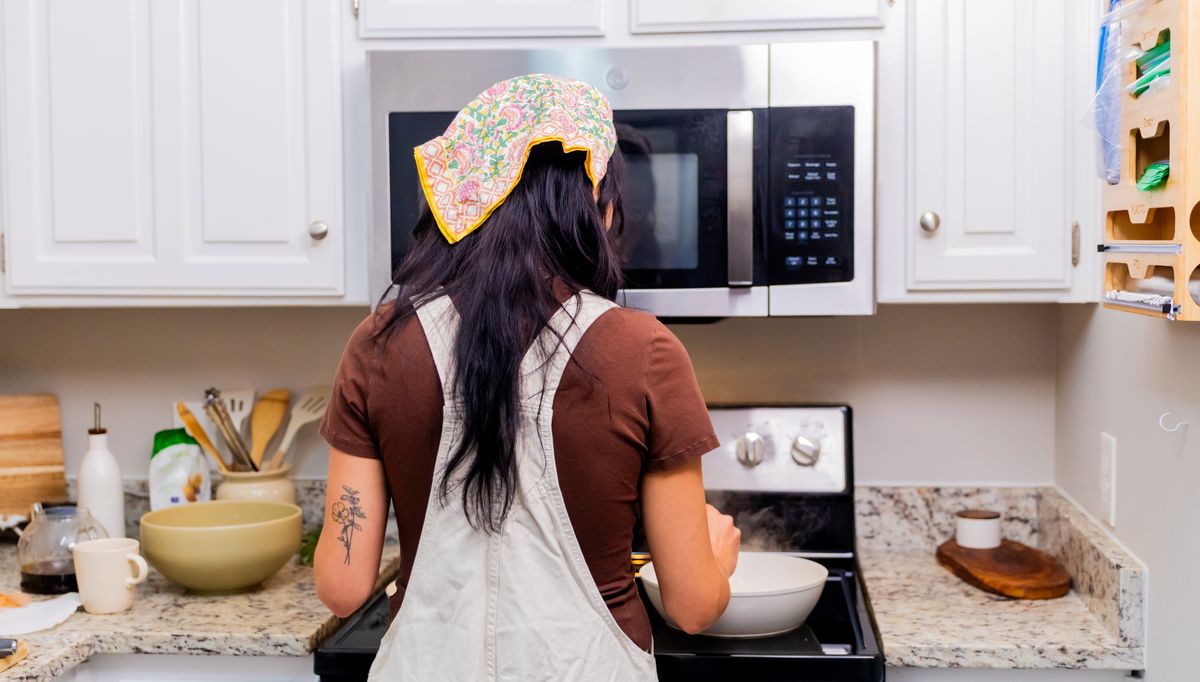
There’s a particular kind of cook who opens a cabinet, takes out one plate, and simply walks away. Then comes the cutlery drawer, followed by the cupboard containing the spices. Neither gets closed.
Before long, the kitchen looks like someone started inspecting the cabinets and abandoned the job halfway through. The cook moves around without noticing anything unusual. Everyone else is ducking around doors or quietly closing drawers behind them.
Of course, opening several cabinets while gathering ingredients is normal. It’s leaving them open after the search is over that makes the kitchen feel like an obstacle course.
Using a Mountain of Dishes to Prepare One Simple Meal
The plan was scrambled eggs and toast. Somehow, the preparation involved four bowls, two spatulas, a measuring cup, and a cutting board that never seemed to serve a purpose. The meal takes ten minutes to eat. The sink tells a much longer story.
Some recipes genuinely require separate equipment, and organizing ingredients ahead of time can make cooking easier. As Think Tasty explains, ingredients used together can sometimes share a preparation bowl.
But certain cooks seem determined to give every ingredient its own accommodation. By the time dinner is finished, the person responsible for washing up may be wondering how breakfast turned into a catering operation.
Hovering Over Someone Who Is Already Cooking
Imagine stirring a pot of sauce when someone appears beside you.
“Are you sure the heat isn’t too high?” You turn it down slightly. “Now it might be too low.”
A few seconds later, they’re peering over your shoulder to check whether you’ve stirred enough.
They haven’t offered to chop vegetables, set the table, or wash anything. They’re simply providing live commentary on a meal that was progressing peacefully before their arrival.
Helping someone cook can be wonderful, especially when they’ve asked for assistance. But unsolicited supervision is a different experience. Sometimes, the most useful contribution to dinner is giving the person holding the spoon a little room.
Related: 5 Protein-Packed Foods That Make Meatless Dinners Feel Like a Real Meal
Changing the Recipe Halfway Through Without Warning
Everyone agreed on spaghetti with tomato sauce. The pasta is boiling, the sauce is simmering, and dinner seems comfortably predictable.
Then the cook announces, “I’ve decided to try something different.” Suddenly, there’s cream involved. A handful of unfamiliar spices appears, and the original plan quietly disappears.
Experimenting can lead to delicious discoveries. Still, ingredient substitutions aren’t always interchangeable, particularly in baking, where changes can affect flavor, moisture, and texture, as Baker’s explains.
The funny part isn’t that the cook wants to be creative. It’s the confident announcement that dinner has changed direction after everyone else was already looking forward to the original dish. Apparently, tonight’s menu was only a suggestion.
Turning the Kitchen Counter Into a Cluttered Obstacle Course
It starts innocently enough. A bag of flour goes beside the toaster, a few spice jars gather near the sink, and empty packaging begins occupying whatever space is left. Soon, there’s nowhere to put a chopping board.
Someone asks for room to set down a tray, and the cook starts rearranging objects like they’re solving a particularly difficult puzzle.
A little mess is expected when preparing food, especially a complicated meal. But when every inch of the counter becomes temporary storage, even finding a teaspoon requires negotiation.
The strangest part? The cook somehow knows exactly where everything is buried.
Adding More Seasoning Without Tasting First
The soup is simmering nicely when the cook decides it needs more salt. In goes another pinch. Then some pepper. Then a generous shake of a seasoning blend.
Has anyone tasted it recently? Apparently, that’s beside the point. There’s nothing wrong with adjusting seasoning as a dish develops. In fact, Serious Eats discusses how seasoning at different stages can affect the final result, including how reducing liquids concentrates salt.
The questionable habit is adding more without checking what the previous addition accomplished.
Meanwhile, the person waiting to eat watches another mysterious ingredient enter the pot and silently wonders whether dinner is becoming an experiment.
Related: Why Some People Love Spicy Food, and Others Can’t Stand It, According to Science
Starting Several Cooking Tasks at Once and Then Scrambling to Keep Up
The onions are sizzling. The pasta water is approaching a boil. Something is cooking under the broiler. And the cook has just realized the colander is missing.
Suddenly, they’re opening cabinets, searching through drawers, and asking someone to find the tongs.
Cooking several things at once is often necessary. The trouble begins when the timing hasn’t been considered, and all three tasks demand attention at precisely the same moment.
Preparing ingredients and equipment beforehand, a practice known as mise en place, can help keep things organized.
Still, there’s something unforgettable about watching someone confidently start dinner, only to discover halfway through that they’ve scheduled every important task for the same five minutes.
A Little Kitchen Chaos Comes With the Territory
Even with the open drawers, unnecessary dishes, and questionable seasoning decisions, dinner can still turn out beautifully. And sometimes, the cook creating all that commotion is the same person who makes everyone’s favorite meal. The secret to sharing a kitchen may simply be knowing when to offer a hand, when to give someone space, and when to quietly close that cabinet door for the fifth time.