Your Groceries Deserve Better Than These 6 Storage Mistakes
The groceries were a good deal until half of them ended up in the trash. A forgotten container, a poorly wrapped freezer package, or fruit washed too early can leave you replacing food you already paid for. The waste may look small each time, but you still bought it and didn’t use it.
Storage is only one part of that problem. Buying too much and failing to plan meals matter, too. Still, changing how you put food away gives you a practical place to start.
These six habits can contribute to wasted groceries. Their replacements offer something more useful than a promised dollar figure: a better chance of eating what you bring home.
Trusting the Refrigerator Dial without Checking the Temperature
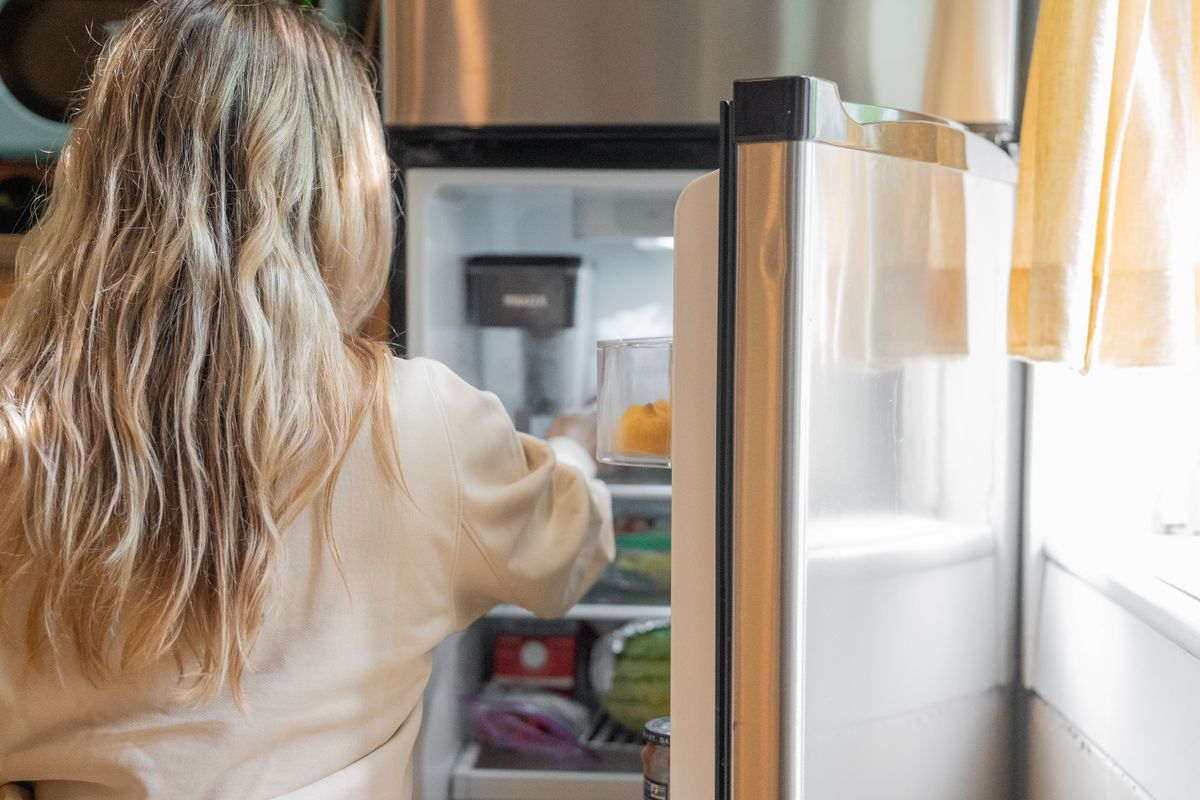
A numbered setting tells you where the control sits. It does not tell you the refrigerator’s actual temperature. FDA recommends keeping the refrigerator at 40°F or below and using an appliance thermometer to check it.
Check the temperature regularly, at least weekly, rather than assuming yesterday’s setting means everything is properly chilled today. The freezer target is 0°F. This is a maintenance habit worth adding to your supply-check routine.
The financial connection is straightforward: proper storage conditions help prevent preventable food loss. No supported promise says adjusting a dial will give every ingredient a specific number of extra days. Measure first, then make any needed adjustment.
Related: 7 Foods You Should Never Store in the Fridge Door, According to Food Safety Experts
Washing Berries Before Putting Them Away
Washing fruit as soon as you unpack sounds efficient. For berries, cherries, and grapes, EPA recommends waiting until you are ready to eat them to help prevent mold. The key change is timing, not skipping washing altogether.
If you bought fruit for several days, resist treating the entire purchase as one preparation task. Wash the portion you are about to eat and leave the rest for later. This keeps the storage routine aligned with the guidance for those particular fruits.
Do not extend that advice to every fruit and vegetable. Produce has different storage needs. The money-saving opportunity comes from using more of the fruit you purchased, not from claiming this step guarantees a longer shelf life.
Letting Leftovers Disappear Behind Newer Groceries
An unmarked container makes tomorrow’s lunch harder to identify. University of Nebraska–Lincoln Extension recommends labeling leftovers with the food’s name and preparation date or a discard date. EPA’s household toolkit also recommends a designated refrigerator area for food that needs to be eaten soon.
Give those containers a visible place and check them before deciding what to cook. Many cooked leftovers stay fresh for three to four days, though the right window depends on the food. Freeze suitable leftovers within their storage window if you will not eat them.
A label helps you decide; it does not extend storage time. The payoff comes when you actually eat that identifiable meal instead of forgetting it and replacing it.
Assuming Freezer Packaging Does Not Matter
Putting food in the freezer does not make its wrapping irrelevant. The FDA explains that food can develop freezer burn when it isn’t securely wrapped in airtight packaging. USDA likewise recommends suitable packaging to preserve frozen food’s quality.
Use freezer containers or appropriate moisture-resistant wrapping, and minimize trapped air where suitable. Leave room for expansion when freezing liquids. These details help protect the food you are saving for another meal.
Freezer burn is a quality issue, so its presence alone does not mean an item must be discarded. Better packaging may reduce the chance that disappointing texture sends an otherwise usable purchase into the trash. Keep the distinction clear before deciding to replace it.
Leaving Opened Dry Grains Poorly Sealed
The pantry deserves the same attention as the refrigerator. EPA recommends storing grains in airtight containers and labeling them with their contents and dates. An open package pushed onto a shelf can be easy to overlook when planning meals.
Move dry grains into suitable airtight storage and make the label readable. Knowing what is available gives you a clearer starting point when checking ingredients. It also makes the container more useful than a mystery package behind newer purchases.
This recommendation does not establish one shelf life for every grain or promise that a container eliminates pests. Follow product instructions. The practical aim is protected, identifiable stock that you remember to use.
Waiting too Long to freeze Surplus Food
A loaf you will not finish needs a plan before it becomes unusable. EPA recommends freezing suitable surplus foods, including bread, sliced fruit, meat, and leftovers. Label each package with its contents and date so you can identify the saved food.
Make that decision when you realize the food will not be eaten in time. Waiting until deterioration has already occurred defeats the purpose. Freezing preserves suitable food for later; it does not reverse spoilage or earlier improper handling.
Not every food freezes equally well, so follow guidance for the particular item. Then plan to use what you freeze. A freezer full of forgotten packages does little to help your next grocery bill.
Check Your Supplies Before Shopping
Look through the refrigerator, freezer, and pantry before writing your list. Build upcoming meals around food that needs using, then buy what is missing.
Better storage pays off when those groceries become meals instead of replacement purchases. Start with one shelf, one label, and the food already waiting at home.
Other Posts You May Like
. 4 Ways Your “Food Storage Routine” Is Slowly Emptying Your Wallet
. The Grocery Store Switch That Could Help Americans Cut Food Costs Without Giving Up Dinner at Home in 2026