Before Winter Hits, Make Room for These 8 Canned Foods; They’ll Earn Their Shelf Space
A useful winter pantry should do more than look reassuring when you open the cupboard. It should help you assemble dinner when the weather is miserable, the grocery trip gets postponed, or the refrigerator runs low. Canned beans, vegetables, fruit and proteins can cover those everyday gaps while also contributing to an emergency food supply. The goal is preparedness, not buying a mountain of food your household would rather avoid.
Ready.gov makes that distinction clear: “Choose foods your family will eat” and “Remember any special dietary needs.” The federal preparedness resource recommends keeping at least a several-day supply of nonperishable food, including items that don’t require refrigeration, cooking, water, or special preparation. That does not make every pantry staple equally useful during an outage. The eight choices below balance everyday meal options with practical backup value, and none requires predicting shortages.
Start With Cans That Can Become an Actual Meal
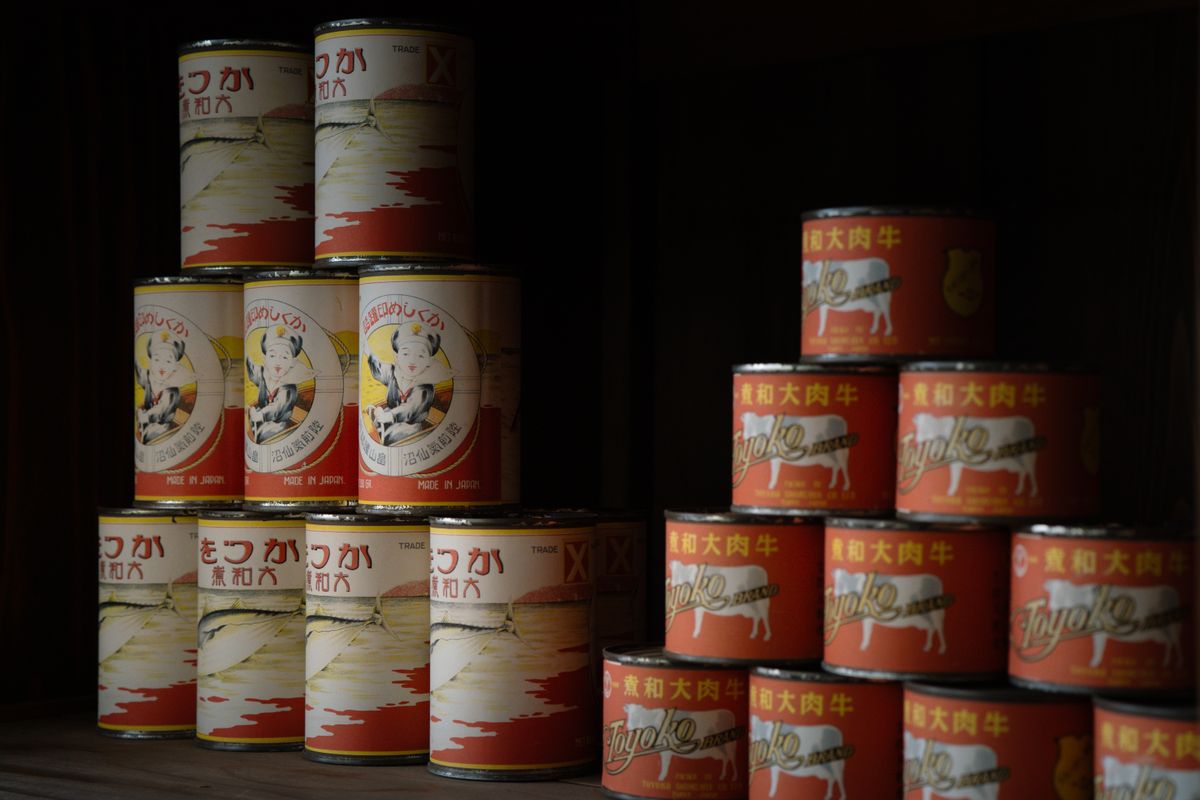
Beans
Black beans, kidney beans, chickpeas, and white beans offer plenty of flexibility without the soaking and cooking dried beans require. They can form the base of a salad, add substance to a bowl of rice, or join a pot of soup. Health Canada includes canned legumes among its recommended pantry staples, and emergency-food guidance also recognizes ready-to-eat beans as an option when cooking isn’t possible. Look for low-sodium or no-salt-added versions, particularly if several canned ingredients will share the same meal.
Tomatoes
Whole, diced or crushed tomatoes give a winter pantry a useful starting point for sauces, soups and stews. Choose the form that matches your usual cooking rather than collecting every variation simply because it is on sale. Their storage timeline deserves attention: USDA says high-acid canned foods, including tomatoes, generally retain their best quality for 12 to 18 months. That is a quality guideline under appropriate storage conditions, not a rule that every unopened can becomes unsafe the next day.
Light Tuna
Canned tuna earns its place as a ready-to-eat protein that can become lunch without turning on the stove. Use it in sandwiches or salads, matching portions and sides to your household’s needs. Health Canada recommends choosing light tuna because it contains less mercury than other canned tuna types. That distinction matters, but it doesn’t mean unlimited consumption; anyone following pregnancy- or child-specific fish guidance should continue to follow that advice when planning their pantry.
Chicken
Shelf-stable canned chicken offers another protein option for households that don’t want fish every time they reach for an emergency meal. It can be used in sandwiches, salads or cooked dishes, depending on what else is available. Check the package carefully: buy a product labeled shelf-stable, rather than assuming every canned meat belongs in a cupboard. Ready.gov recommends ready-to-eat canned meats, and USDA distinguishes shelf-stable products from canned foods that require refrigeration.
Related: 6 Cheap Frozen and Canned Foods That Can Be as Healthy as Fresh Produce
Add Vegetables, Fruit and a Low-Effort Dinner
Salmon
Canned salmon offers another way to vary the protein lineup, rather than building an entire shelf around tuna. Health Canada identifies canned salmon, sardines, and tuna as practical choices for salads and sandwiches, and suggests salmon croquettes as another meal possibility. Compare package sizes and prices, especially when shopping for a small household. During an outage, a can you can finish in one sitting is more practical than leftovers that require refrigeration you cannot reliably provide.
Vegetables
Corn, peas, carrots and green beans can stand in for fresh vegetables in many recipes, making them useful beyond emergency planning. Health Canada suggests adding corn to tacos, green beans to salads or peas to salmon croquettes. Choose vegetables you already enjoy, and check labels for little or no added sodium. A varied selection provides more meal options than a case of one vegetable nobody particularly likes—and ready-to-eat canned vegetables can also be eaten without heating during an outage.
Fruit Packed in Juice or Water
Canned peaches, pears, pineapple and other fruits give the pantry something beyond savory meal ingredients. Choose fruit packed in water or juice rather than heavy syrup to limit added sugar, and compare the nutrition labels. Fruit also works well in a no-cook emergency supply because it doesn’t require a working stove. Like tomatoes, most canned fruits fall into USDA’s high-acid category, with a general best-quality storage window of 12 to 18 months.
8. Ready-to-Eat Soup
Soup is the low-effort dinner option, but read the label before deciding which cans belong in an outage kit. Ready-to-eat soup doesn’t require the extra water or milk a condensed version may call for. Compare sodium per serving and check how many servings the container holds, rather than assuming the entire can equals one portion. The American Red Cross includes canned soups in emergency-food planning, while Ready.gov notes that commercially canned food can be eaten without warming.
Store the Food Properly and Don’t Forget the Can Opener
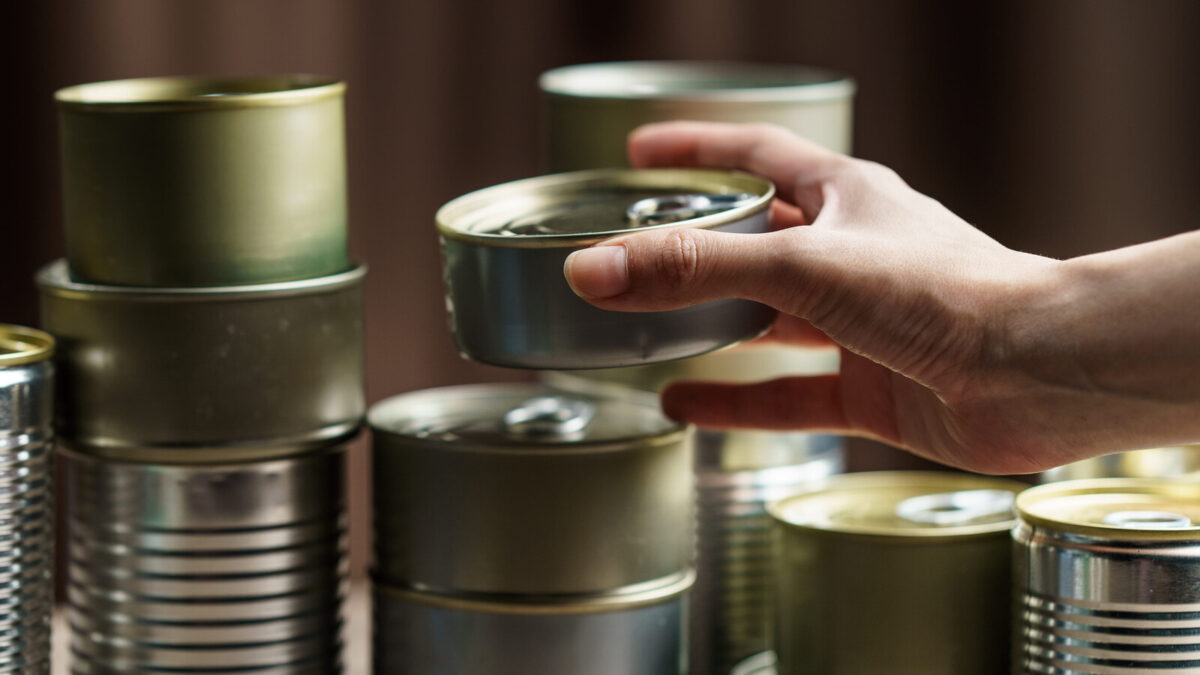
A sensible shopping list still needs sensible storage. USDA recommends a cool, clean, dry location away from temperature extremes; an unheated garage that freezes isn’t an ideal winter pantry. Low-acid canned foods such as meat, fish and most vegetables generally keep their best quality for two to five years under suitable conditions. Those figures apply to commercially canned products and shouldn’t be casually applied to home-canned food, which has different storage guidance.
Check containers before buying and again before opening. Discard cans that are bulging, leaking, heavily rusted, or deeply dented, particularly where damage affects a seam; never taste suspicious contents to decide whether they are safe. Rotate purchases so the oldest cans are used first, and build your supply around meals you will actually make. As the Red Cross explains, “You may not need to go out and buy foods to prepare an emergency food supply”; some useful choices may already be on your shelves.
Finally, keep a manual can opener with the supplies, even if your everyday opener is electric. Once opened, canned food generally needs refrigeration, so shelf-stable doesn’t mean it’s safe indefinitely on the counter. Follow the label and food-specific storage guidance, and plan for whether you’ll have refrigeration during an outage. The most useful winter pantry isn’t the biggest: it is accessible, regularly used, and stocked with foods that fit the people who will be eating them.
Other Post You Might Also Like
.5 Frozen Pizzas You Should Avoid Due to Serious Cancer Risks